From the Editor
The ripple effects of global conflict have hit home as Ethiopia begins tapping into its strategic national reserves, begging citizens to ration fuel as the Iran-Israel war chokes supply lines. This urgent energy crisis highlights the fragility of landlocked economies today.
In the industrial arena, Aliko Dangote has signed a $4.2 billion power play to shield his fertilizer empire from similar energy shocks. This move is a critical step toward African self-sufficiency at a time when traditional energy grids are proving increasingly fragile.
Meanwhile, a sweeping new U.S. trade investigation into South Africa and Nigeria threatens the duty-free access that anchors trans-Atlantic trade. As Washington tightens labor oversight, African exporters face a high-stakes mandate to overhaul their transparency and compliance.
 | Victor Inusa, Newsletter Editor. |
✨ Today’s Must Read
Iran–Israel war drives Ethiopia to beg citizens to save fuel as state uses reserves
Addis Ababa is Ethiopia's capital and largest city. (Photo Credit: fivepointsix)
Ethiopia has issued an urgent plea for citizens to slash fuel consumption as the Iran-Israel conflict disrupts global supply chains. With shipments delayed and prices surging, the government has been forced to tap into strategic national reserves to keep the economy moving.
This crisis underscores the extreme vulnerability of landlocked African nations to distant geopolitical shocks. Officials are implementing strict rationing and prioritizing essential services, warning that emergency buffers cannot sustain the current pace if the war persists.
The situation has sparked a nationwide push for energy conservation and a re-evaluation of fuel security. Ethiopia’s struggle serves as a cautionary tale for the continent on the risks of total dependence on volatile international oil corridors during times of global unrest.
Why This Matters
Fuel shortages threaten to cripple industrial productivity and drive inflation to record highs. This situation highlights a critical weakness because when global maritime routes tighten, the domestic stability of African giants can be compromised in a matter of days.
The Big 3

(Photo Credit: Instagram/@dangotegroup)
🇳🇬 Billionaire, Dangote strikes $4.2B deal with Chinese firm to power East Africa’s largest fertilizer complex
Billionaire Aliko Dangote has signed a massive $4.2 billion agreement with a Chinese firm to power East Africa's largest fertilizer complex. This strategic deal aims to eliminate energy bottlenecks, ensuring the facility reaches its full capacity to meet rising regional demand.
The partnership underscores Dangote’s ambition to transform Africa from a net importer to a global exporter of fertilizer. By securing stable energy infrastructure, the group is shielding its most vital industrial asset from the volatility of local power grids and fuel costs.
🇲🇿 Power dispute forces shutdown of Africa’s second-largest aluminium smelter
Africa’s second-largest aluminum smelter has been forced into a sudden shutdown following a deepening power dispute that severed its electricity supply. The halt in production marks a massive blow to the industrial sector, threatening both regional exports and global supply chains.
The closure highlights the extreme vulnerability of energy-intensive industries to grid instability and pricing disagreements. Stakeholders are now racing to negotiate a resolution, as prolonged downtime risks permanent structural damage to the facility and significant job losses.
🇸🇩 Australian gold miner exits one of Africa’s largest undeveloped gold projects in $372M deal
An Australian gold miner has announced its exit from one of Africa’s largest undeveloped gold projects, citing shifting capital priorities and market volatility. The departure leaves a massive opening in a high-potential mining district, sparking questions about the site’s future.
This withdrawal underscores the growing caution among international investors toward large-scale, long-term mineral projects. While the exit presents a challenge for local development, it also creates an opportunity for new regional or global players to acquire a premium asset.
AI & Innovation

L-R Andy Jassy, Enrique Lores, and Arvind Krishna. (Noah Berger/Getty Images)
9 companies that have signaled they are replacing human employees with AI
A wave of global industry giants has officially signaled a shift toward replacing human roles with AI, marking a turning point for the future of work. From tech firms to retail, companies are automating repetitive tasks to cut overhead and boost operational efficiency.
This transition is no longer a pilot project; it is a core business strategy. As these nine firms restructure their workforces, the focus is shifting from human-led administration to machine-driven output, forcing a rapid re-evaluation of job security across the global market.
The move underscores a growing urgency for professionals to upskill. While AI handles data-heavy workflows, the demand for human ingenuity, ethics, and high-level strategy is rising, creating a polarized labor market where technical adaptability is the ultimate currency.
Quote Of The Day
Resilience is not about how you weather the storm, but how you build the ship while the wind is blowing.
Listicles
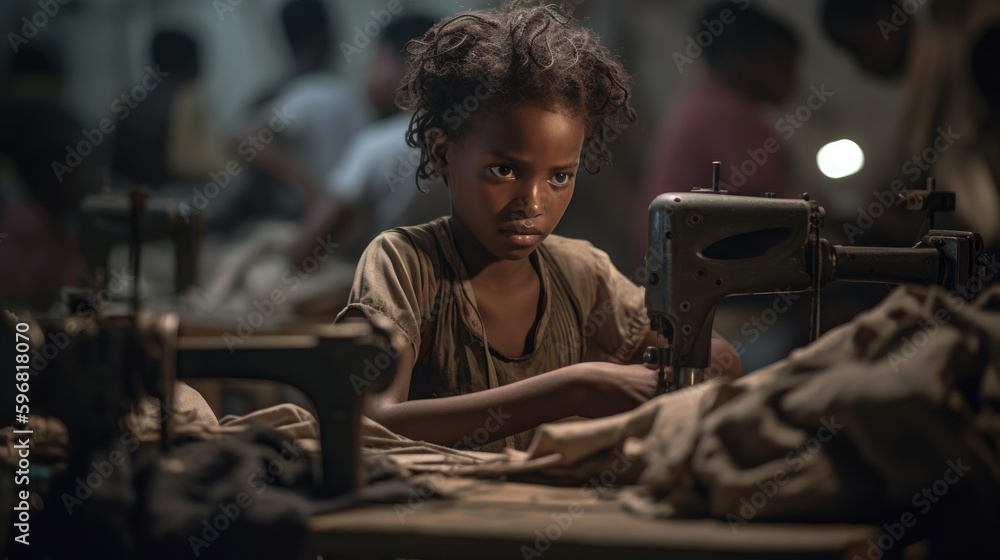
(Photo Credit: Adobe Stock)
List of African countries the United States is investigating for the use of forced labour
This critical watch-list identifies the nations currently under the U.S. microscope for labor violations. For businesses in these regions, the report is a roadmap for the high-stakes compliance audits required to maintain access to the American market.
🇩🇿 Algeria
🇦🇴 Angola
🇪🇬 Egypt
🇱🇾 Libya
🇲🇦 Morocco
🇳🇬 Nigeria
🇿🇦 South Africa
Source: United States Trade Representative
Geopolitics & Power
Russia, Kenya strike deal to end recruitment of Kenyan fighters for Ukraine war. (Image: Simon Maina/AFP via Getty Images)
🇷🇺 Russia, Kenya strike deal to end recruitment of Kenyan fighters for Ukraine war
Russia and Kenya have struck a landmark deal to end the recruitment of Kenyan nationals for the war in Ukraine. The agreement follows growing pressure to curb the flow of citizens into foreign combat zones under the guise of private security and overseas employment contracts.
The move marks a significant diplomatic de-escalation between Nairobi and Moscow. By formalizing this "no-recruitment" policy, Kenya is reasserting its neutrality while Russia secures a stable, albeit restricted, diplomatic channel with one of East Africa’s largest economies.
This shift reflects a broader trend of African nations tightening oversight on private military involvement. As global conflicts persist, governments are increasingly moving to protect their human capital from being weaponized in proxy wars that offer no direct national benefit.
Business Implication
The crackdown on foreign military recruitment will force private security firms to overhaul their vetting processes. For executives, this signals a tightening of labor export laws, making it harder to deploy security personnel across borders without heavy government oversight.
Global Trends, African Impact

(Photo Credit: yahoo.com)
🇿🇦 South Africa, Nigeria and others dragged into sweeping US trade investigation over suspected “unfair trade”
The United States has launched a sweeping trade investigation into South Africa, Nigeria, and several other nations over suspected "unfair trade" practices. This probe threatens the duty-free access many African exporters rely on under the African Growth and Opportunity Act.
The investigation focuses on industrial sectors where the U.S. suspects labor standards and subsidies have been manipulated to keep export prices artificially low. For Nigeria and South Africa, this comes as both nations are fighting to stabilize their respective currencies.
This regulatory shift signals a new era of "values-based trade," where market access is tied to strict compliance. African manufacturers must now prepare for a future where administrative transparency and ESG reporting are just as critical as the quality of the goods produced.
Executive Trivia

(Photo Credit: Unsplash/Kyle Glenn)
Did You Know?

People are more creative in the shower. When we take a warm shower, we experience an increased dopamine flow that makes us more creative.
Know someone who'd enjoy this briefing?