From the Editor
The U.S. is facing a critical supply crunch with only two months of diamond reserves remaining, while Chevron’s $260 million exit from Angola marks a massive shift in West African energy. These movements reflect a broader theme of resource realignment as global powers scramble to secure their supply chains. Today’s edition explores these market shocks alongside the top African nations dominating trade with the United States.
Ghana, Africa’s third-largest gold producer, has intensified this focus on sovereignty by deploying a military task force to dismantle illegal mining syndicates. This crackdown, combined with new U.S. mining deals in East Africa, underscores the continent’s role as the primary battlefield for critical minerals. By formalizing its wealth, Accra is setting a blueprint for nations looking to insulate their economies from revenue leaks and environmental decay.
This economic tug-of-war extends into human capital, where icons like Anthony Joshua are relocating to Dubai to capitalize on new global hubs. From the billionaires topping our charts to the 10 nations reaping the most from U.S. trade, we examine the leaders and markets defining Africa’s 2026 trajectory. It is no longer just about growth, it’s also about who controls the pulse of the continent’s most vital assets.
 | Victor Inusa, Newsletter Editor. |
✨ Today’s Must Read
U.S. mining firms strike new deals in East Africa as competition for Africa’s minerals intensifies
(Photo Credit: Getty Images)
U.S. mining companies are aggressively securing new contracts across East Africa to stabilize the supply of critical minerals like cobalt and lithium. These deals represent a strategic push to reduce reliance on adversarial supply chains as the global race for green energy resources accelerates.
The surge in American investment is being met with a mix of optimism and caution from regional leaders. While the capital influx promises infrastructure development, there is mounting pressure on East African governments to ensure these bilateral agreements provide long-term economic value.
Competition with China remains the primary driver of this shift, as Washington aims to match Beijing’s decade-long head start in the region. By offering transparent mining frameworks, U.S. firms are attempting to position themselves as the preferred partners for Africa's mineral future.
Why This Matters
This shift signals a "New Great Game" where East Africa is the primary battlefield for tech supremacy. For businesses, this means increased liquidity and infrastructure in mining hubs, but also higher geopolitical risks as local markets become caught between competing interests from the East and West.
The Big 3
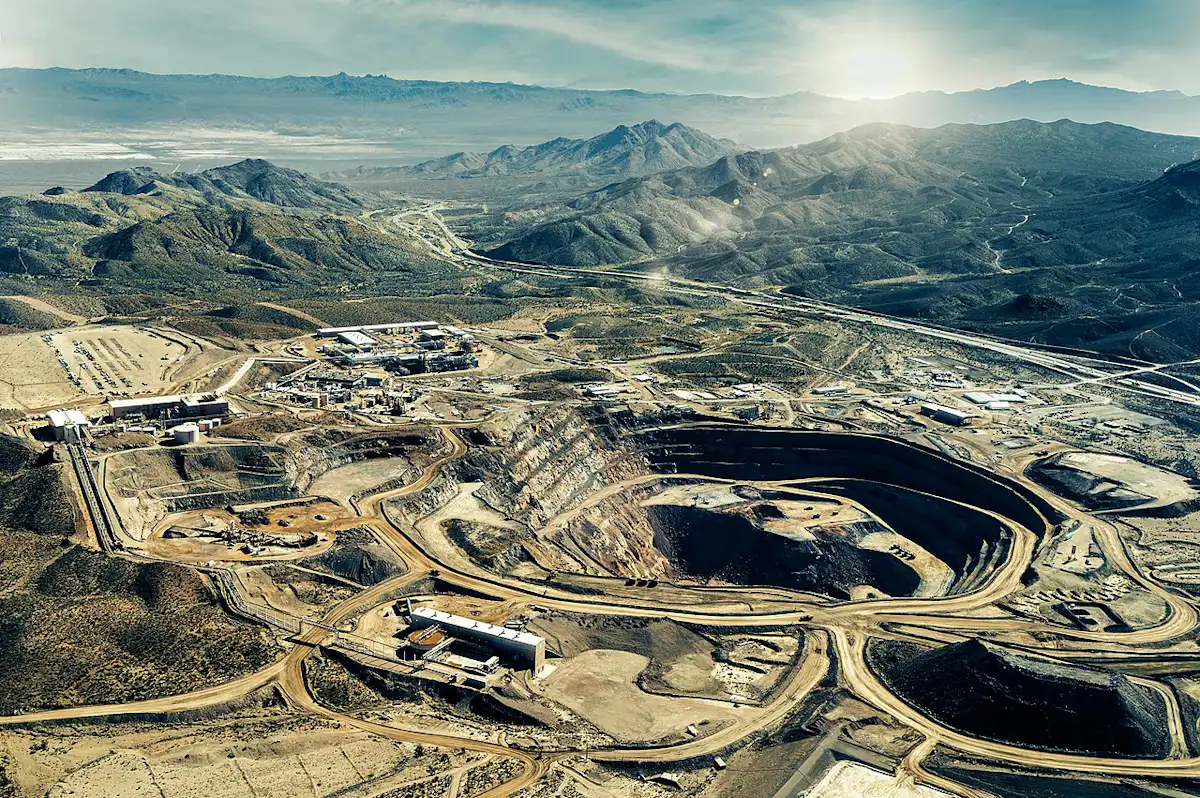
(MP Materials’ Mountain Pass Rare Earth Mine and Processing Facility is in California near the Nevada border. Tmy350/Wikimedia Commons, CC BY-SA)
🇧🇼 Botswana, South Africa and DRC on standby as reports show US has only two months’ worth of rare earths left
The U.S. is facing a critical supply crunch with only two months of diamond reserves left, placing Botswana, South Africa, and the DRC on high alert. This shortage highlights Washington’s heavy reliance on Southern African mines to sustain its massive luxury and industrial markets.
As the U.S. scrambles to secure supplies, African producers are gaining significant leverage in price negotiations. This geopolitical shift underscores the continent's role as a "resource superpower," forcing global powers to deepen strategic ties to avoid market paralysis.
🇬🇭 Africa’s third-largest gold producer launches 'special task force' to curb illegal mining by local and foreign operators
Ghana, Africa’s third-largest gold producer, has launched a specialized military task force to dismantle illegal mining operations. The move targets both local and foreign syndicates whose unregulated activities have caused severe environmental decay and massive revenue losses.
By deploying elite security units to mining heartlands, the government aims to restore investor confidence and protect the formal sector. This crackdown is a decisive attempt to formalize the industry, ensuring that the nation's gold wealth benefits the national treasury.
🇳🇬 British-Nigerian boxer Anthony Joshua becomes the latest athlete moving to Dubai
British-Nigerian boxing star Anthony Joshua has officially moved to Dubai, joining a growing list of elite athletes relocating to the Gulf hub. The move highlights Dubai’s aggressive strategy to attract global icons through tax incentives, luxury lifestyle, and world-class sports infrastructure.
Beyond a change of scenery, Joshua's relocation underscores the shifting center of gravity for high-net-worth African talent. By basing himself in the UAE, he gains a strategic vantage point for global business ventures while benefiting from a regulatory environment built for elite sport.
AI & Innovation

(Photo Credit: Philip Dulian / picture alliance via Getty Images)
China’s DeepSeek gives US tech giants a run for their money as Microsoft and others expand AI push in Africa
China’s DeepSeek is disrupting the dominance of U.S. tech giants in Africa by offering high-performance AI at a fraction of the cost. Its efficient, open-source model is becoming the go-to choice for local startups looking to bypass expensive Western subscription barriers.
In response, Microsoft is aggressively expanding its footprint, pledging to train 3 million Africans in AI by 2026. The move signals a massive counter-offensive to maintain its competitive edge as the continent becomes a primary battleground for global digital supremacy.
This rivalry is accelerating "AI sovereignty" across the region, driving record investments in localized data centers. As African developers gain access to competing platforms, the race is fostering a more diverse and affordable tech ecosystem tailored to local needs.
Quote Of The Day
The only way to do great work is to love what you do. If you haven't found it yet, keep looking. Don't settle.
Listicles
(Photo Credit: moderndiplomacy.eu)
Top 10 African countries that made the most money from the United States last year
New trade data reveals the top African nations dominating exports to the U.S., with oil-rich Nigeria and Angola leading alongside emerging textile hubs like Kenya. These rankings highlight the heavy stakes of U.S. trade policy, as these top earners remain the most vulnerable to shifts in AGOA status.
| S/N | Country | Value (Billions $) |
|---|---|---|
| 1 | 🇿🇦 South Africa |
|
| 2 | 🇳🇬 Nigeria |
|
| 3 | 🇪🇬 Egypt |
|
| 4 | 🇩🇿 Algeria |
|
| 5 | 🇲🇦 Morocco |
|
| 6 | 🇬🇭 Ghana |
|
| 7 | 🇪🇹 Ethiopia |
|
| 8 | 🇦🇴 Angola |
|
| 9 | 🇹🇳 Tunisia |
|
| 10 | 🇨🇮 Côte d'Ivoire |
|
Source: International trade goods and services
Geopolitics & Power
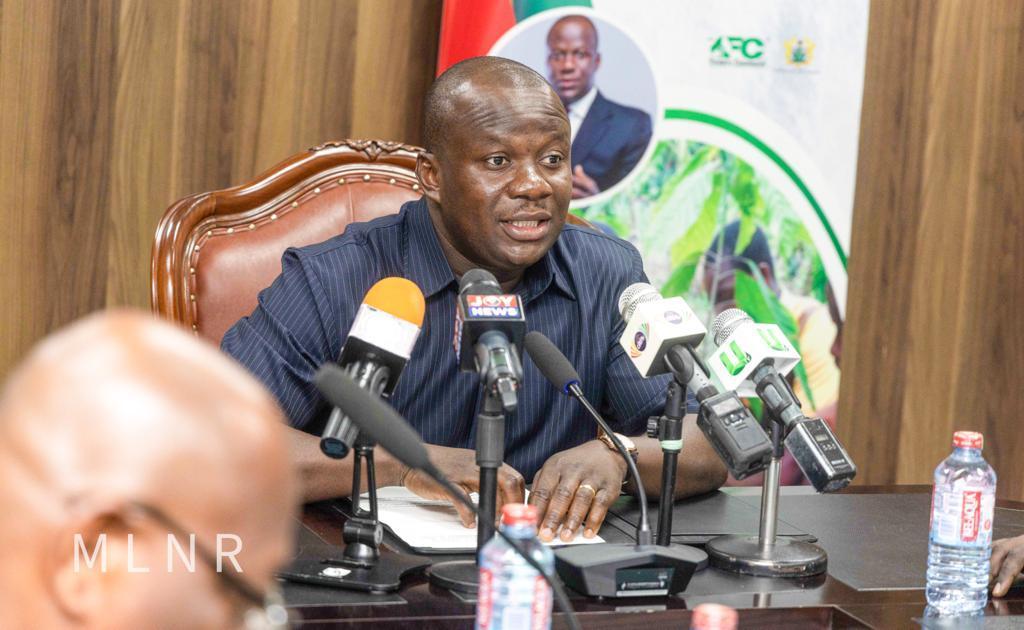
Otumfuo Osei Tutu II (Photo Credit: africa-press.net)
🇬🇭 Ghanaian lawmakers raise concerns over Ghana’s alleged role in U.S.–Nigeria anti-ISIS airstrikes
Ghanaian lawmakers are demanding answers following reports that the country supported recent U.S.–Nigeria airstrikes against ISIS militants. The controversy erupted after suggestions that Ghanaian territory or facilities were used for the mission without parliamentary approval.
Foreign Affairs Minister Samuel Okudzeto Ablakwa confirmed the operation was a trilateral effort, involving U.S. Tomahawk missiles launched against extremist enclaves. He noted that Nigeria invited the Americans and reached out to Ghana to collaborate on the high-stakes mission.
Lawmakers argue that such military cooperation threatens national sovereignty if not transparently briefed. While Ghana is a strategic partner for Western logistics, the "secret" nature of the coordination has sparked a heated debate over the country’s role in regional conflicts.
Business Implication
Increased military integration with the U.S. reinforces Ghana's status as a stable "security anchor" in West Africa, potentially lowering risk premiums for foreign investors. However, the lack of transparency in defense pacts could trigger civil unrest or policy shifts that disrupt long-term contracts.
Global Trends, African Impact
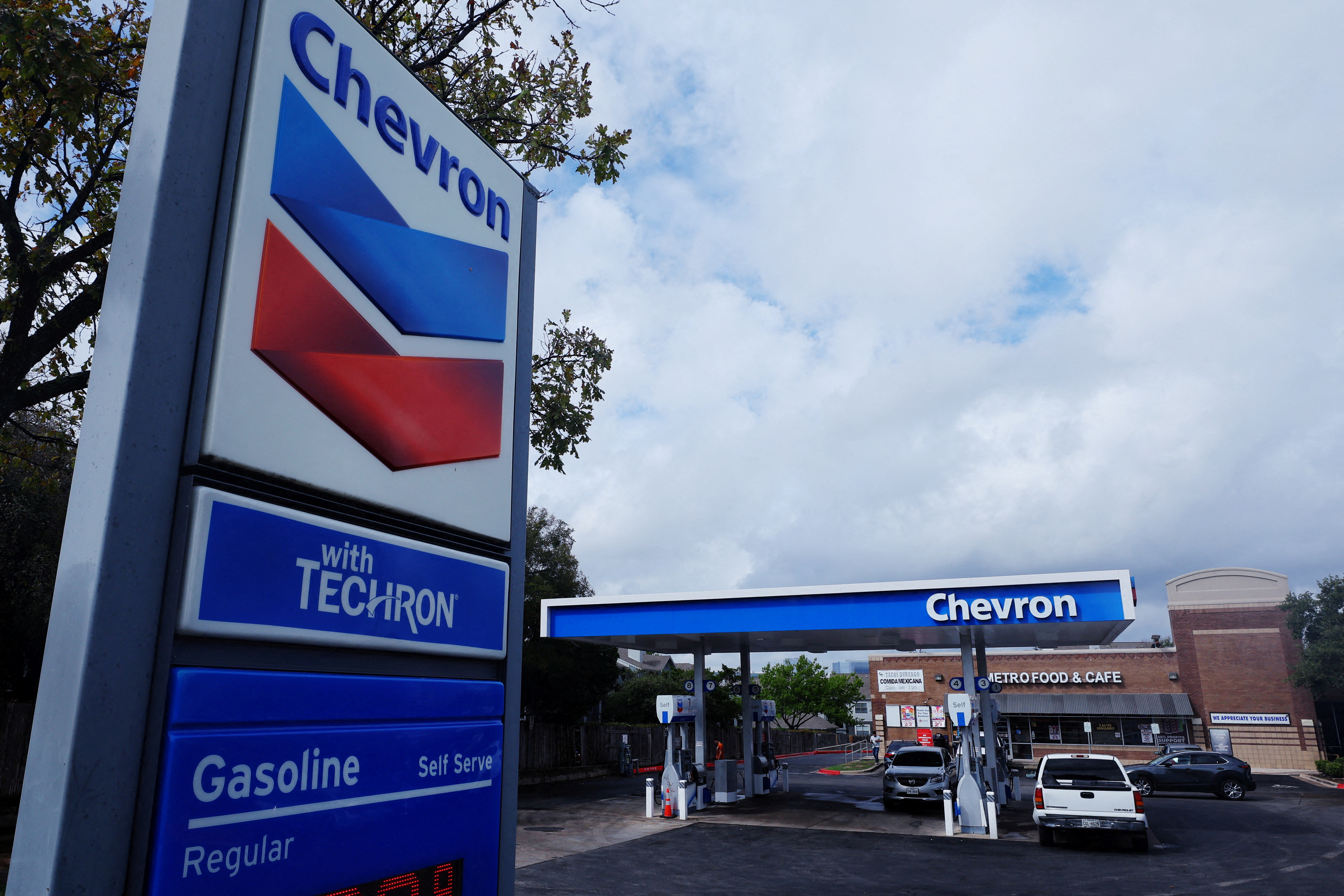
(Photo Credit: Brian Snyder / REUTERS)
🇦🇴 Chevron sells Angola oil stake to Energean in $260 million West Africa expansion deal
Chevron has finalized the $260 million sale of its stakes in two Angolan offshore blocks to London-listed Energean. This move marks the American supermajor’s latest step in rebalancing its global portfolio, shifting focus away from mature West African assets.
For Angola, this transition is a critical test for its energy sector. While a major player is scaling back, the entry of Energean, a firm known for maximizing late-life assets, could provide the technical agility needed to sustain production levels in aging oil fields.
This deal reflects a broader global trend where oil giants are offloading African legacy projects to focus on high-margin opportunities elsewhere. It opens the door for mid-cap firms to dominate the region, reshaping how Africa’s natural resources are managed and extracted.
Executive Trivia

(Photo Credit: Unsplash / rc.xyz NFT gallery)
Which African country currently holds the title for the strongest currency value relative to the US Dollar?
Did You Know?

(Photo Credit: goldmarket.fr)
Africa is the world’s ultimate mineral powerhouse. The continent holds over 40% of the world's gold reserves and roughly 33% of its diamond reserves. Beyond precious metals, Africa also possesses about 80% of the world’s coltan, a mineral essential for the capacitors used in almost every modern electronic device, from smartphones to electric vehicles.
Know someone who'd enjoy this briefing?