Business Brief
By Business Insider Africa

From the Editor
An outbreak in one part of Africa is once again shaping decisions far beyond the continent.
The Trump administration wants Kenya to host a quarantine and treatment facility for American citizens exposed to Ebola, a move that would place the country at the centre of Washington’s latest containment strategy. During past health emergencies, African nations often became critical operational bases for global powers responding to disease outbreaks, especially when cases threatened to spread internationally.
For Kenya, the proposal reflects how increasingly central African countries have become to managing global health and security risks.
 | Victor Inusa, Newsletter Editor. |
✨ Today’s Must Read
Trump picks Kenya as proposed Ebola quarantine hub for high-risk and exposed American citizens
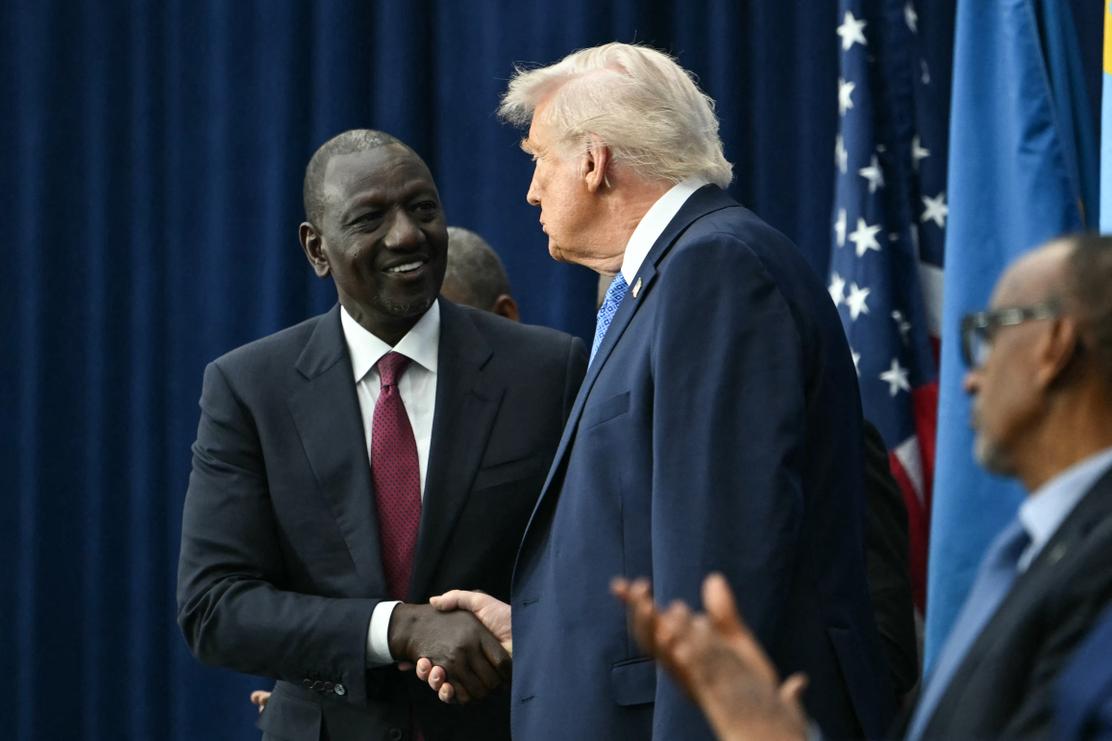
(Photo Credit: AFP)
The Trump administration plans to establish an Ebola quarantine and treatment facility in Kenya for American citizens exposed to or infected with the virus, pending approval from the Kenyan government.
This plan marks a shift in Washington's strategy, moving from temporary observation to providing full treatment capabilities within Kenya instead of relocating cases to Europe. U.S. Public Health Service officers are expected to operate the center, with staff already on standby for deployment.
The initiative comes as a rare Bundibugyo strain Ebola outbreak intensifies across Central and East Africa, which the World Health Organisation has classified as a global emergency. Read more…

The Big 3
Deepankar Rustagi. (Photo Credit: deepankar.me)
🇮🇳 Meet the Indian founder who turned $50,000 into a $120 million retail supply chain platform for Africa’s informal economy
In 2019, Deepankar Rustagi launched Omnibiz, a retail supply chain platform that connects small African retailers to manufacturers using digital tools. Starting with an initial $50,000, the company adopted an asset-light model focused on managing trade data rather than owning delivery fleets.
Today, the platform operates in Nigeria, Ghana, and Ivory Coast with a valuation of approximately $120 million. Read more…
🇨🇳 Chinese mining giant Jinchuan uncovers $145 million fraud scheme at Congo mine
Jinchuan Group International Resources uncovered a $145 million fraud scheme at its Ruashi Mine in the Democratic Republic of the Congo. Former local employees exploited weak procurement controls between 2019 and 2024, paying $137.4 million to 12 suspicious suppliers and transferring $7.1 million to a personal account.
The company has reported the matter to Congolese prosecutors. Read more…
🇲🇦 Moroccan billionaire Anas Sefrioui shifts millions from Europe to Africa with new Gabon cement expansion
Moroccan cement giant CIMAF is investing over $45 million to expand its Owendo facility in Gabon, adding a third production line and boosting domestic clinker capacity.
This strategic expansion comes ahead of Gabon's planned 2027 ban on clinker imports. The move positions Gabon as a regional export hub while shifting industrial capital away from struggling European markets. Read more…
Quote Of The Day
The center of gravity of the human population is shifting rapidly, and with it, the future of global consumption, talent, and innovation.
Listicles
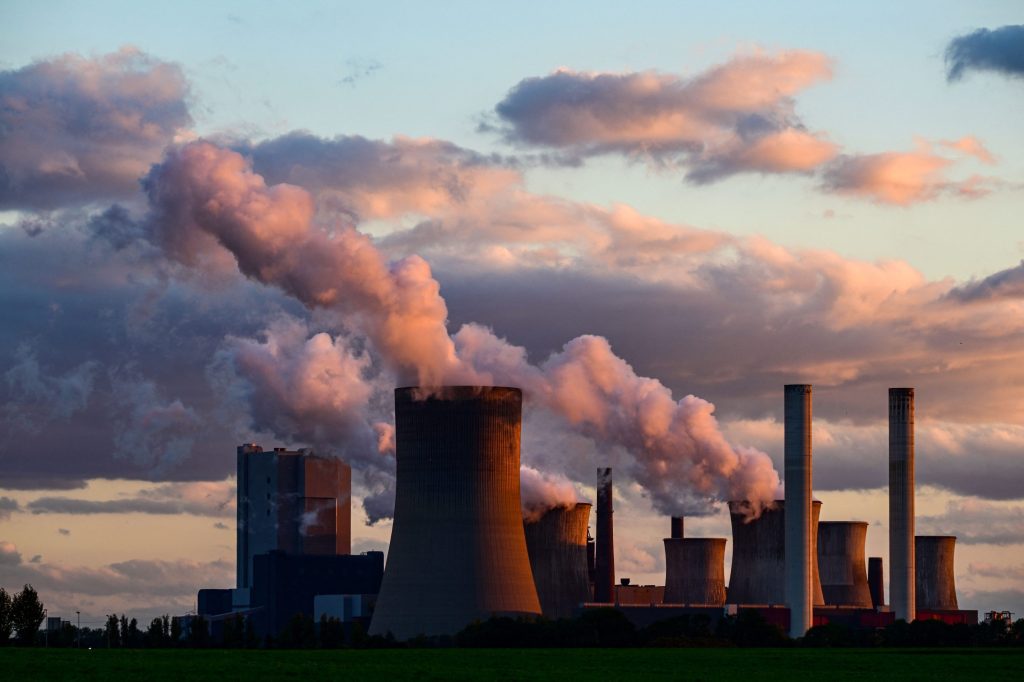
(Photo Credit: Getty Images)
The Top 5 African Countries Facing the Highest Energy and Commodity Vulnerabilities
New data on Middle East shipping bottlenecks and regional inflation shows a sharp rise in economic exposure across the continent. Volatile transit routes and high import costs have left several nations highly vulnerable to sudden energy and commodity supply shocks.
Ethiopia: Plagued by its landlocked status and Strait of Hormuz conflicts, which recently stranded 180,000 metric tonnes of its fuel imports in the Arabian Gulf. This forced the country to source expensive emergency spot market oil.
Malawi: Grappling with extreme economic exposure due to poor infrastructure and weak currency. It currently ranks as the country with the second-highest fuel prices globally, averaging $3.83 per liter.
Rwanda: Deeply exposed to global oil fluctuations and regional shipping disruptions, pushing its domestic fuel prices up to a staggering $2.01 per liter.
Senegal: Experiencing an intense "institutional coup" and political friction that threatens stability while trying to manage an active $13 billion debt crisis and rising domestic fuel costs.
Zimbabwe: Chronically vulnerable to external supply shocks, global energy market volatility, and high transit costs, keeping fuel prices elevated at $2.08 per liter.
Source: Compiled from Business Insider Africa market data and regional economic reports
Geopolitics & Power
(Photo Credit: Getty Images)
🇸🇳 Democratic coup rocks Senegal as lawmakers elect sacked PM Sonko as Speaker in challenge to President Faye
Senegal’s political crisis intensified after lawmakers elected recently dismissed Prime Minister Ousmane Sonko as the new speaker of parliament. Sonko secured 132 votes in the 165-seat assembly just four days after President Faye dismissed him.
Opposition figures labeled his rapid comeback an institutional coup, which unfolds as Senegal faces growing debt and economic uncertainty. Read more…
Global Trends, African Impact
(Photo Credit: Dreamstime.com)
🇮🇳 India turns to Africa and Latin America for crude imports amid Strait of Hormuz disruption
Indian refiners have increased crude imports from Africa and Latin America after Middle Eastern supplies were disrupted by the conflict with Iran, which restricted shipping through the Strait of Hormuz.
To offset these shortages, India diversified its oil sources by boosting purchases from countries like Angola and Nigeria, alongside shipments from Venezuela and Brazil. Read more…
Executive Trivia

(Photo Credit: Getty Images)
Did You Know?

Rwanda banned non-biodegradable plastic bags in 2008, years before most countries took action. The strict policy has made its capital, Kigali, widely recognized as one of the cleanest cities in Africa.
Know someone who'd enjoy this briefing?