Business Brief
By Business Insider Africa
From the Editor
The U.S. is redrawing its diplomatic map by deporting migrants to nations like Ghana and Uganda while welcoming 4,500 white South African refugees. This policy has triggered 30% tariffs and a G-20 boycott. As the U.S. pivots toward specific asylum groups, it is forcing a rethink of traditional African alliances.
While some borders tighten, others are securing major wins. Ethiopia recently defeated $850 million in legal claims, protecting its treasury from foreign payouts. This stability is echoed by Uber, which is investing $300 million in South Africa to expand EV fleets and support 100,000 drivers.
Energy and efficiency are also taking center stage. A French firm launched a 148MW solar plant to power South African mining, while IBM execs use AI agents to save hours of work.
From Botswana’s uranium deals to Togo’s shipping hub pitch, the continent is pivoting toward new partners and technology.
 | Victor Inusa, Newsletter Editor. |
✨ Today’s Must Read
Trump deports migrants to Africa while welcoming large numbers of white South African refugees

(Photo Credit: BusinessDay)
The Trump administration is deporting illegal migrants to nations like Ghana and Uganda while granting refugee status to nearly 4,500 South Africans, mostly white Afrikaners. The U.S. claims these individuals face persecution and land seizures, justifying their admission.
This selective policy has caused a severe diplomatic rift. South Africa strongly rejects the claims of discrimination and condemned the U.S. decision. In response, President Trump boycotted the G-20 summit in South Africa, and trade tariffs were hiked to as high as 30%.
Tensions spiked further in 2026 over South Africa’s refusal to meet U.S. demands regarding local laws and slogans. While both nations recently took cautious steps to rebuild ties by exchanging credentials with a new ambassador, the relationship remains fragile and strained.
Why This Matters
This story is critical because it signals a major shift in U.S.-Africa relations under an "America First" agenda. The use of trade embargoes and selective refugee status creates a new type of diplomatic pressure that could reshape alliances across the continent.
The Big 3

Ethiopian Prime Minister Abiy Ahmed. (Photo credit: Jemal Countess/Getty Images)
🇪🇹 Ethiopia scores major legal victory worth over $850 million
Ethiopia has successfully defended itself against two international arbitration claims totaling over $850 million. One case involved a Turkish firm seeking $500 million after its industrial project was halted to protect Addis Ababa’s drinking water from environmental risks.
The second case was a $350 million claim by a Netherlands-based leasing firm, Ethio Lease, which was unanimously rejected by a tribunal in The Hague. These rulings affirm Ethiopia's right to enforce regulatory and environmental protections while safeguarding the national treasury.
🇿🇦 A French energy firm just switched on a massive solar plant to power a Rio Tinto mine in South Africa
French firm Voltalia has launched the 148-megawatt Bolobedu solar plant in Limpopo to power Richards Bay Minerals, a Rio Tinto subsidiary. The project uses a wheeling system to send electricity through the Eskom grid, allowing the mine to secure stable power outside the struggling state utility.
The plant will supply 300 gigawatt-hours of electricity annually, cutting carbon emissions by over 237,000 tonnes. This deal highlights a growing shift in South Africa as mining companies move away from coal to meet climate targets. The project also created 800 local jobs during its construction.
🇿🇦 World’s largest ride-hailing company pledges over $300 million investment in Africa’s largest economy
Uber has pledged to invest R5 billion ($300 million) in South Africa over the next few years. The funds will target mobility, delivery, and digital growth. This investment aims to create more earning opportunities for over 100,000 drivers and small businesses on the platform.
The capital will fund local innovations like Uber Moto and electric vehicle rollouts. While Uber recently exited Tanzania due to tough regulations, it is now eyeing expansion into Rwanda and Morocco. The move supports South Africa’s goal to attract R2 trillion in new investment.
AI & Innovation

(Photo Credit: Justin Sullivan/Getty Images)
An IBM exec built an AI agent to prep for meetings — and said it saved hours every week
IBM executive Dave McCann built an AI agent called "Digital Dave" to automate his meeting preparation, saving him five hours every week. The tool replaces 30-minute prep calls by scanning his calendar and drafting a list of 10 essential insights for each of his client meetings.
Digital Dave reviews internal account data, project statuses, and external reports to identify industry trends and client needs. This allows McCann and his team to skip manual research and tedious briefing documents, freeing up his staff to focus on more complex, high-value work.
Beyond client prep, McCann uses the agent to evaluate hundreds of partners by analyzing performance data that used to be buried in complex spreadsheets. He believes these "agentic" tools create a multiplier effect as more employees build and share their own digital sidekicks.
Quote Of The Day
Innovation is not born from the dream; innovation is born from the struggle.
Listicles
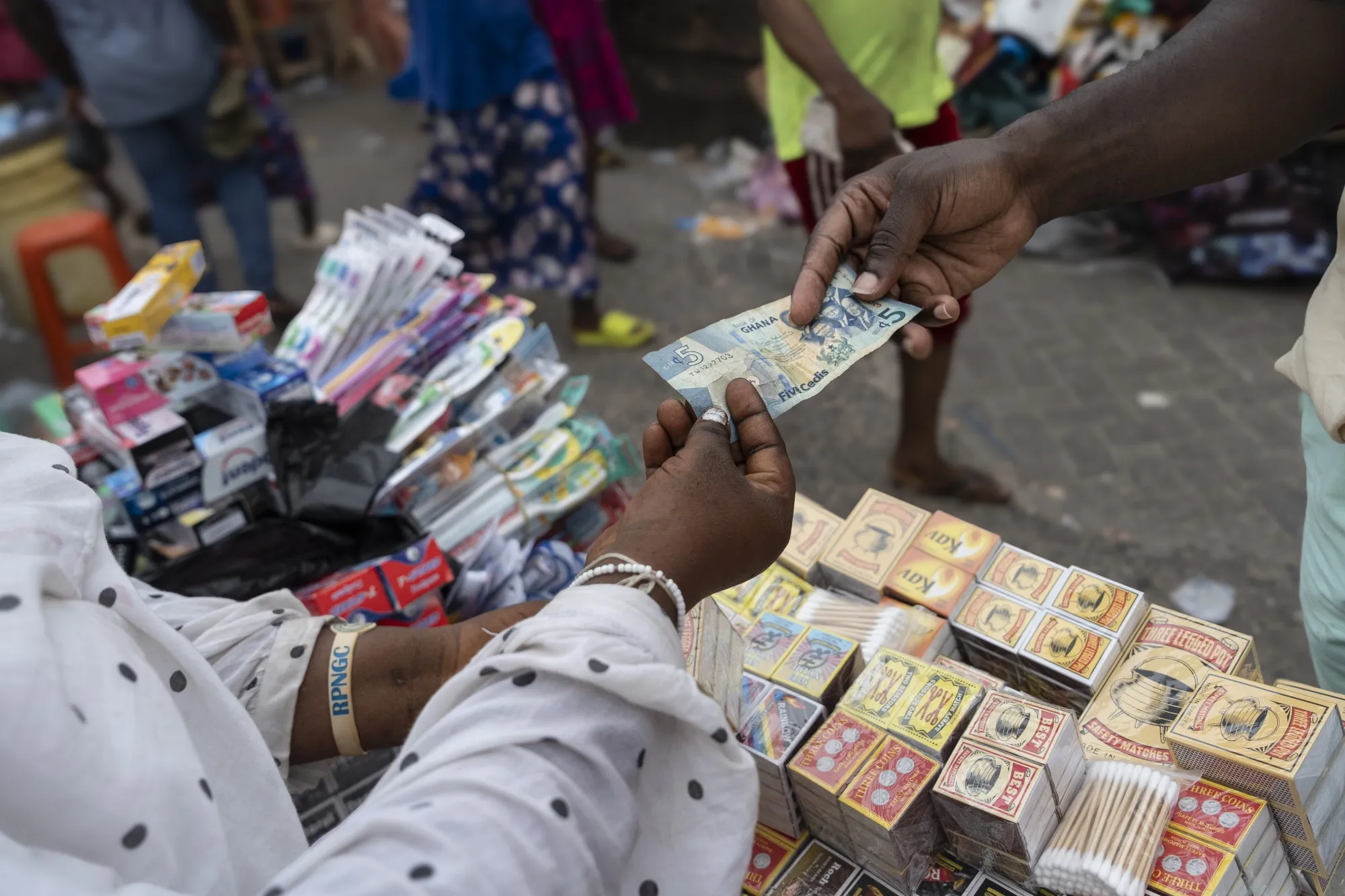
(Photo Credit: Bloomberg)
The African Innovation Index: Top 10 countries with the best business environment in 2026
According to the 2026 Innovators Business Environment Index (IBEI), simple grants aren't enough for long-term growth. Instead, founders are looking for regulatory stability, digital infrastructure, and global mobility. While no African nation cracked the global top 50 yet, the regional leaders are pulling ahead
| S/N | Country | Global Rank | Score (0-100) |
|---|---|---|---|
| 1 | 🇿🇦 South Africa | 61st |
|
| 2 | 🇰🇪 Kenya | 68th |
|
| 3 | 🇨🇻 Cape Verde | 70th |
|
| 4 | 🇲🇦 Morocco | 80th |
|
| 5 | 🇨🇮 Cote d'Ivoire | 81st |
|
| 6 | 🇳🇦 Namibia | 83rd |
|
| 7 | 🇹🇳 Tunisia | 87th |
|
| 8 | 🇷🇼 Rwanda | 91st |
|
| 9 | 🇪🇬 Egypt | 94th |
|
| 10 | 🇳🇬 Nigeria | 95th |
|
Source: StartupBlink
Geopolitics & Power
)
(Photo Credit: african-miningweek.com)
🇧🇼 After losing a key uranium mine in Niger, France turns to Botswana for new mining deals as Europe scrambles for supply
France is targeting Botswana for uranium deals after losing control of Niger's SOMAIR mine. Top executives from the French nuclear group Orano met with President Duma Boko in Paris to discuss tapping into Botswana’s untapped uranium potential as a stable alternative.
Botswana wants to diversify its mining sector beyond diamonds and holds about 800,000 tonnes of uranium reserves. Orano has already secured exploration licenses for 15,000 square kilometers in the Ghanzi district to replace its fractured operations in the Sahel region.
The diplomatic push comes as France’s relations with Niger’s military junta break down. While uranium plans in Botswana have existed since 2009, the current global energy crisis and weaker diamond sales have made finalizing this deal a top priority for both nations.
Business Implication
France’s shift to Botswana highlights a move to secure minerals in stable zones. For investors, this signals an expansion of Botswana’s mining portfolio, potentially turning the country into a major player in the global nuclear energy supply chain.
Global Trends, African Impact
Lome Port (Photo Credit: LCT)
🇹🇬 As the Strait of Hormuz sparks a global crisis, a small West African country offers a way out
Amid disruptions in the Strait of Hormuz, Togo is pitching the Port of Lome as a secure logistics hub for global trade. The Minister for Maritime Economy stated that Eurasian shipping lines can use the port to avoid the high costs and risks currently plaguing Middle Eastern routes.
The Port of Lome has undergone major modernization, making it capable of handling the latest generation of large international ships. Togo is positioning itself as a strategic alternative not just for the Strait of Hormuz, but also for transit through the Suez Canal and the Red Sea.
Togo aims to become a logistics powerhouse by offering credible alternatives for countries like Russia and others in Eurasia. By redirecting trade through West Africa, the country hopes to foster new collaborations and stabilize supply chains for goods bound for Africa and Asia.
Executive Trivia

(AI generated Image)
Did You Know?

(Photo Credit: Unsplash/Hendrik Prinsloo)
Elephants are often called "Nature’s Hydrologists." They can detect water sources from up to 12 miles (19 km) away. During extreme droughts, they use their tusks and trunks to dig deep "wells" in dry riverbeds. These excavations provide a vital lifeline, uncovering hidden water for dozens of other species, including zebras, rhinos, and birds, that would otherwise perish.
Know someone who'd enjoy this briefing?