Business Brief
By Business Insider Africa
From the Editor
The DRC is spending $46.5 million to turn the Ubangi River into a massive trade path, a move that could finally lower the high costs of road and air travel in Central Africa. This push for better routes comes as Kenya hits a major roadblock, stopping a second big fuel shipment from the Gulf over a legal dispute that is shaking up the local energy market.
While countries find new ways to move goods, China is already filling the gap, shipping $100 billion in products to Africa in just six months. This surge in trade is matched by a hunt for raw materials; Namibia just found a new high-grade lithium site, while Somalia is finally starting its first-ever offshore oil mission with support from the Turkish government.
Even as these nations grow, global tensions in the Strait of Hormuz are making shipping and fuel more expensive for everyone. To stay ahead, companies are turning to tech; U.S. shipbuilders are now testing AI robots for the hardest jobs on the floor, showing how innovation is becoming the key to surviving a difficult global economy.
 | Victor Inusa, Newsletter Editor. |
✨ Today’s Must Read
DRC just launched a $46.5m plan to turn one of Africa's great rivers into a trade corridor

Ubangi river. (Photo Credit: AFDB)
The DRC has launched a $46.5 million project to modernize the Ubangi River, a vital waterway for Central Africa. The plan focuses on dredging and infrastructure upgrades to ensure the river remains deep enough for large trade vessels to navigate throughout the entire year.
This project aims to transform the river into a reliable trade corridor, linking landlocked areas to regional hubs. By improving water transport, the government expects to significantly lower the high costs and long delays currently associated with road and air travel.
The plan is a major effort to unlock the economic potential of the Congo Basin. Authorities believe a modernized Ubangi River will drive agricultural growth and increase cross-border trade, providing a sustainable alternative to the region's struggling transport networks.
Why This Matters
Modernizing the Ubangi River will drastically reduce logistics costs for businesses in Central Africa. Improved navigability opens up new markets for goods and commodities, making the entire region more attractive for long-term infrastructure and trade investments.
The Big 3
L- President William Ruto (Photo Credit: Instagram/whispers_wire1)
🇰🇪 Kenya blocks second fuel shipment from Gulf suppliers over controversial cargo import deal
Kenya has blocked a fuel shipment from Gulf suppliers following a dispute over an import deal. A private firm successfully sought a court order to prevent the vessel from discharging its cargo at the port, claiming the shipment bypassed the established legal process.
The move marks the second time a shipment under the government-to-government fuel deal has faced legal hurdles. Critics argue the deal lacks transparency and hurts smaller oil marketers, while the government maintains it is necessary to stabilize the local currency and fuel prices.
🇳🇦 Africa’s largest uranium producer, Namibia, unveils new high-grade critical mineral site
Namibia has discovered a new high-grade lithium and tantalum site, further cementing its role as a key player in the global critical minerals market. The find follows extensive exploration in the Erongo region, which is already known for its rich mineral deposits.
The discovery comes at a time when global demand for lithium, a vital component in electric vehicle batteries, is surging. Namibia aims to leverage these resources to attract more foreign investment and boost its industrial capacity through local processing of raw materials.
🇷🇺 Russian billionaire says 12-hour days and 6-day workweeks could help save the economy
Russian billionaire Andrey Melnichenko has suggested that Russia should adopt 12-hour workdays and a six-day workweek to boost its economy. He argues that this extreme shift in labor is necessary for the country to remain competitive and overcome current financial pressures.
The proposal has sparked a major debate in Russia regarding workers' rights and mental health. While Melnichenko claims that intense hard work is the only way to ensure national growth, critics warn that such long hours could lead to widespread burnout and lower long-term productivity.
AI & Innovation
(Photo Credit: Shutterstock/Lewis)
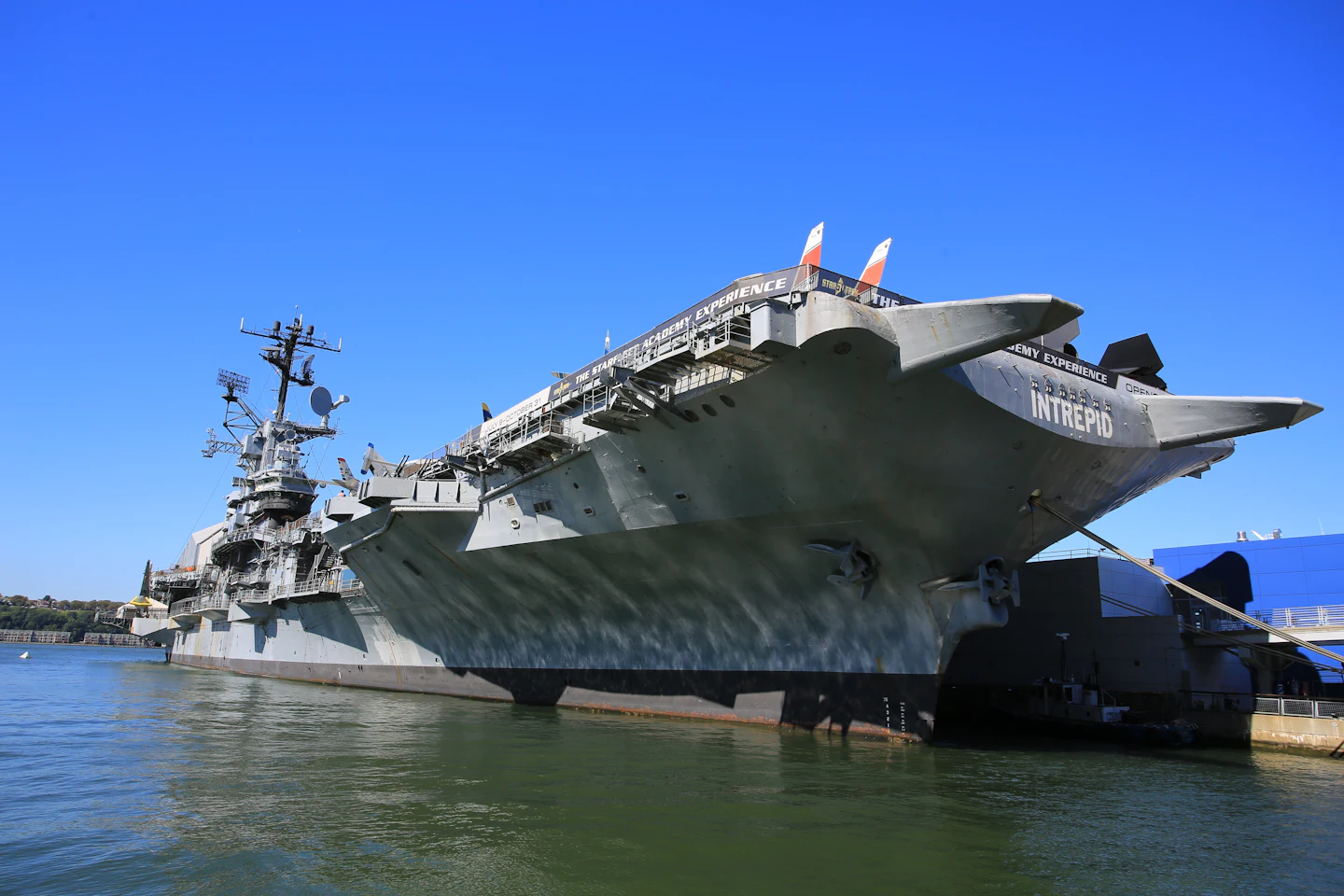
A top US shipbuilder is exploring how AI and robots can do some of the hardest jobs on the production floor
HII, the largest military shipbuilder in the U.S., is testing how AI and robots can handle difficult tasks like welding and painting. The company is looking for ways to use technology to build complex vessels more efficiently while managing a shortage of skilled workers.
The shipbuilder is experimenting with "collaborative robots" that work alongside humans to perform repetitive or physically demanding jobs. These machines are designed to assist workers in tight spaces and harsh environments, helping to speed up the long construction process.
While the technology is still being refined, the goal is to integrate AI to improve quality and safety on the shipyard floor. HII believes that using automated tools for the hardest parts of shipbuilding will allow its human workforce to focus on more specialized tasks.
Quote Of The Day
The river that forgets its source will dry up.
Listicles
(Photo Credit: Justin Sullivan/Getty Images)
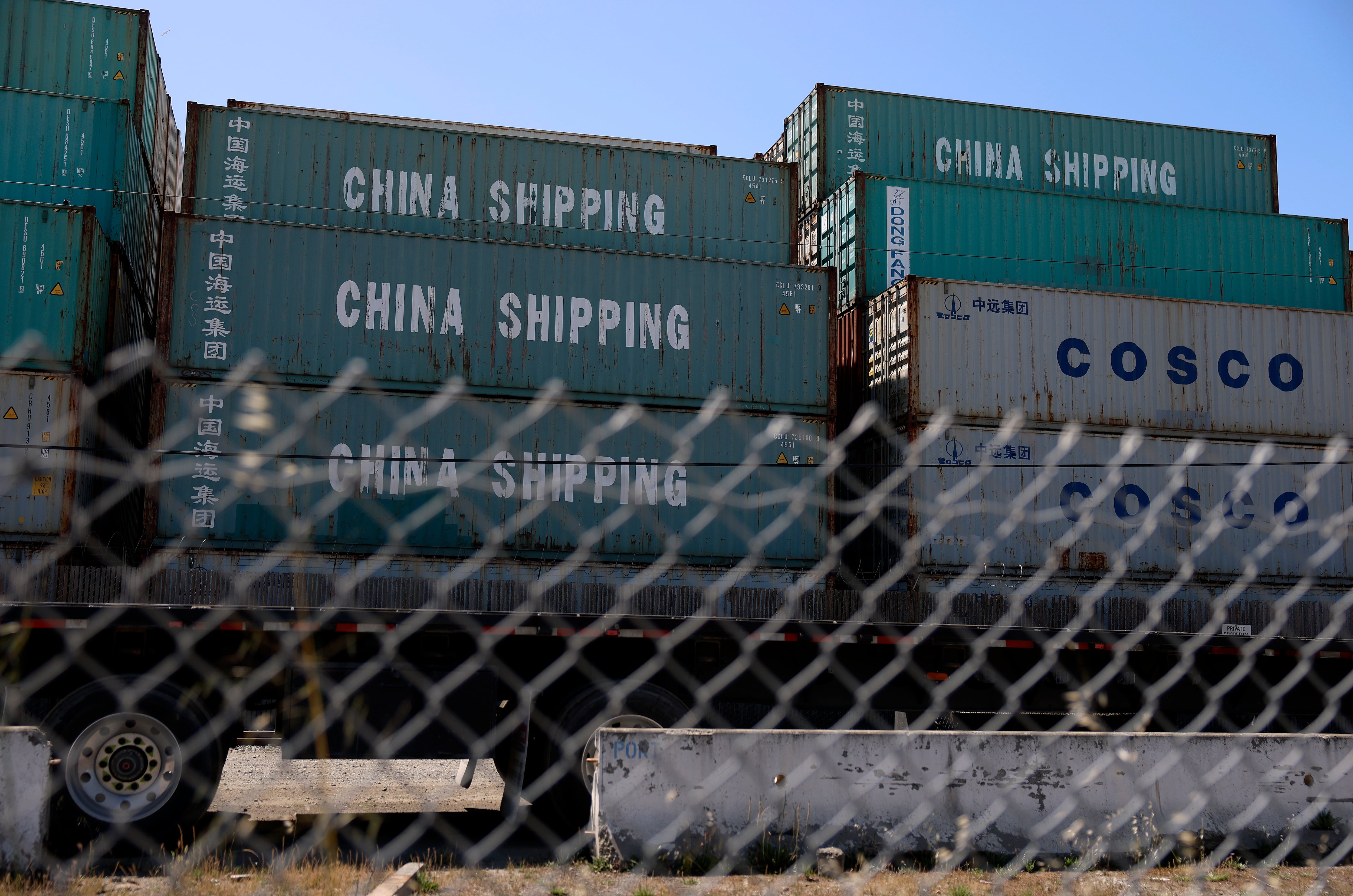
Top 10 African countries absorbing the most Chinese exports, based on recent data
China’s exports to Africa hit $100 billion in the first half of 2025, a 21.6% rise. South Africa, Nigeria, and Egypt are the top buyers, driven by a need for machinery and electronics. Smaller nations like Guinea and Angola are also seeing a rapid surge in Chinese imports.
| S/N | Country | Chinese Exports (USD) |
|---|---|---|
| 1 | 🇿🇦 South Africa |
|
| 2 | 🇳🇬 Nigeria |
|
| 3 | 🇪🇬 Egypt |
|
| 4 | 🇱🇷 Liberia |
|
| 5 | 🇩🇿 Algeria |
|
| 6 | 🇬🇭 Ghana |
|
| 7 | 🇰🇪 Kenya |
|
| 8 | 🇹🇿 Tanzania |
|
| 9 | 🇲🇦 Morocco |
|
| 10 | 🇸🇳 Senegal |
|
Source: Andaman Partners
Geopolitics & Power
(Photo Cretit: AA photo)
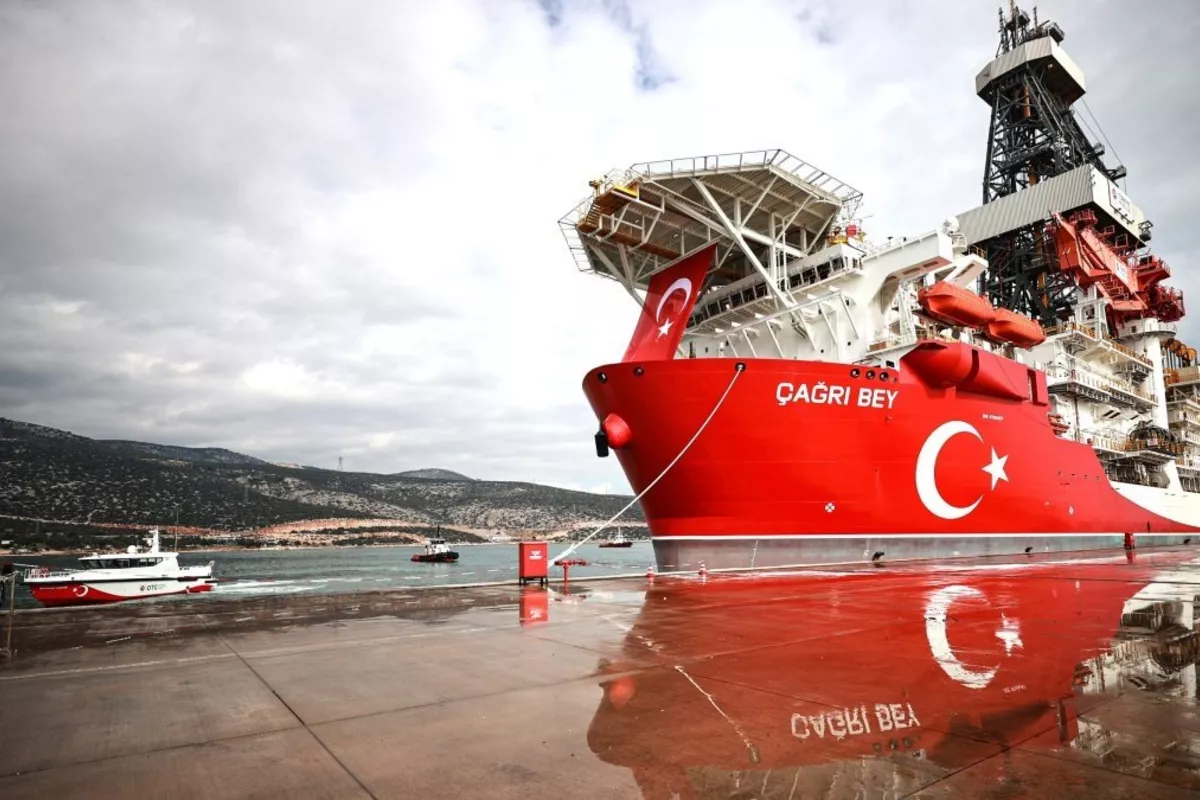
🇸🇴 Somalia launches historic first offshore oil mission with Turkish government support
Somalia is set to begin its first-ever offshore oil drilling campaign to unlock potential reserves. A Turkish government-owned vessel is scheduled to arrive off the coast this Friday to start deepwater exploration in the Arabian Sea, following promising seismic survey results.
The drilling will be conducted by the Turkish Petroleum Corporation using its vessel, Çağrı Bey, which is currently on its first international mission. This operation marks a historic transition for Somalia from years of exploration to active drilling in its offshore basins.
The project reflects deepening economic and military ties between Somalia and Türkiye, formalized under a 2024 production-sharing agreement. Authorities hope the campaign will help the country emerge as a regional energy player and provide a new revenue stream for recovery.
Business Implication
The arrival of the Çağrı Bey signals Somalia's formal entry into the global energy market. If commercially viable reserves are discovered, it could reshape the nation's economic trajectory and create a competitive landscape for energy investment in East Africa.
Global Trends, African Impact

(Photo Credit: AP Photo/Kamran Jebreili)
Africa counts losses as Strait of Hormuz tensions between US and Iran hit 5 key sectors across the continent
Tensions in the Strait of Hormuz are causing major disruptions for African economies that depend on the Middle East for energy and trade. As a vital path for global oil, any instability in this waterway directly leads to higher fuel prices and shipping costs across the continent.
The agriculture and manufacturing sectors are feeling the most pressure as the cost of importing raw materials rises. Many African nations are facing delays in receiving essential goods, which is forcing businesses to raise prices for local consumers to cover the extra expenses.
Beyond trade, the crisis is affecting Africa’s energy security and transport sectors. Increased insurance premiums for ships passing through the region are making imports more expensive, highlighting how sensitive African markets are to geopolitical conflicts far from their borders.
Executive Trivia
(Photo Credit: egypttoursportal.com)
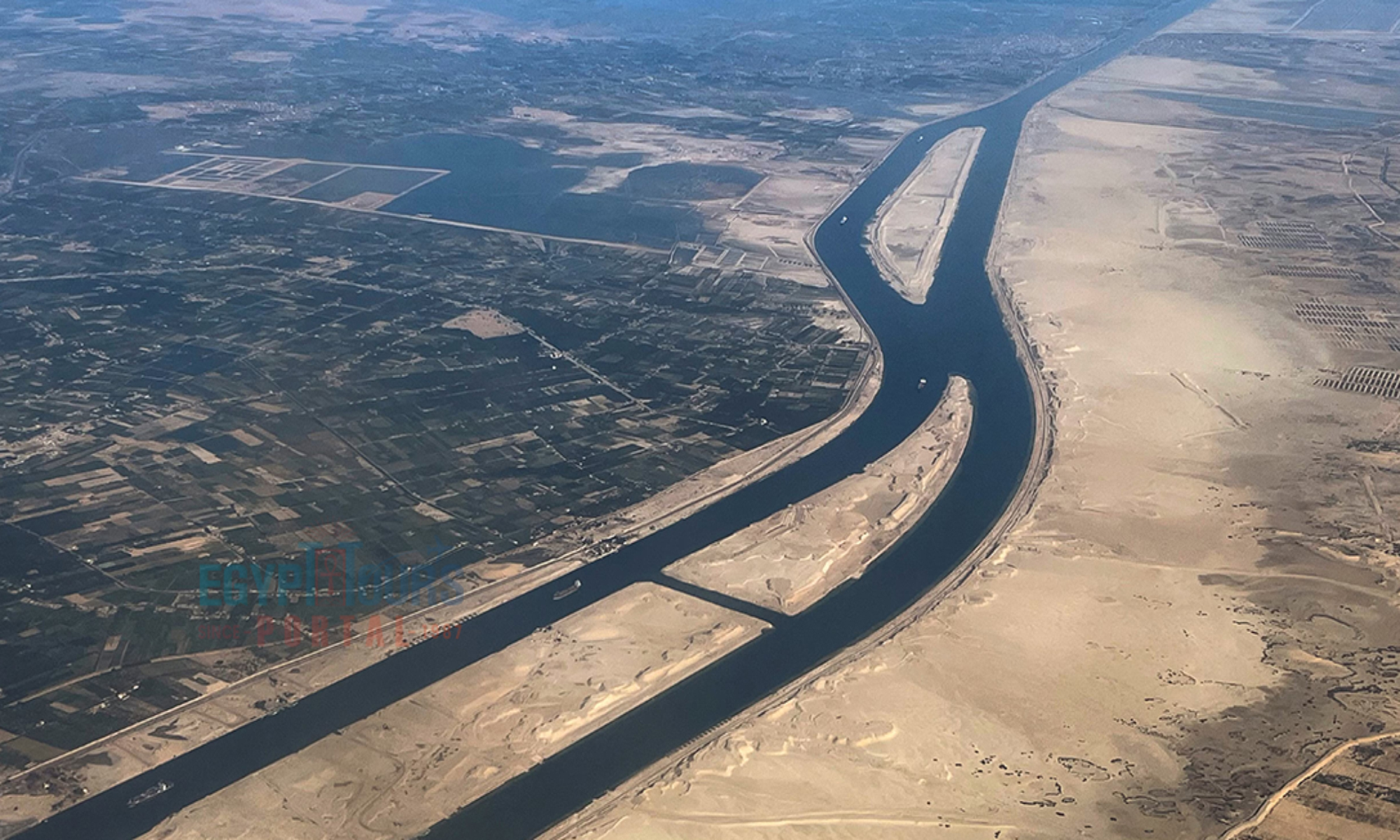
Which famous waterway in Egypt connects the Mediterranean Sea to the Red Sea, allowing ships to travel between Europe and Asia without sailing around Africa?
Did You Know?

(Photo Credit: iStock/PeterHermesFurian)
Rwanda is one of the cleanest East African countries, partly due to a ban on plastic bags.
Know someone who'd enjoy this briefing?