Business Brief
By Business Insider Africa
From the Editor
Tanzania is tightening its grip on the mineral sector by revoking 40 exploration licenses from companies accused of "asset hoarding." By canceling these inactive permits, the government is clearing the path for local miners and serious investors who are actually ready to dig. This enforcement move is part of a broader effort across the continent to ensure that mineral wealth isn't just sitting in a portfolio, but is actively driving the national economy.
In Zambia, major copper and cobalt talks with India have hit a wall over mining rights assurances. While geological teams have already collected samples, the deal is stalled because Zambia hasn't yet guaranteed the long-term rights needed for private firms to step in. These hurdles highlight the growing tension as African nations become more protective of the "future-facing" minerals that the rest of the world is desperate to secure.
While the ground remains a battlefield for rights, Nigeria has achieved a historic win by becoming a net exporter of petrol for the first time in decades. The Dangote refinery’s massive output has finally flipped the script, turning the continent’s largest oil producer from a buyer into a supplier for neighbors like Mozambique.
These wins in the energy sector are being matched by digital milestones, such as Microsoft’s $329 million expansion into South African AI, signaling a broader effort to build a self-reliant economy across every major industry.
 | Victor Inusa, Newsletter Editor. |
✨ Today’s Must Read
Microsoft picks South Africa for $329 million expansion in cloud infrastructure and AI training

(Photo Credit: Adobe Images)
Microsoft is investing $329 million in South Africa to expand its cloud and AI reach. This new funding follows a previous $1.2 billion commitment and will be used to secure land for data centers, improve power and water readiness, and increase existing infrastructure capacity.
Microsoft President Brad Smith emphasized that you cannot have AI without data centers, as they provide the computing power needed to train models. The company is already partnering with local firms like Lelapa AI to build models specifically tailored for African languages.
Beyond hardware, the investment supports a massive skills initiative to prepare millions for the future digital economy. Through a partnership with the SABC, Microsoft is expanding access to digital education to ensure that learners and job seekers can access AI pathways.
Why This Matters
This investment cements South Africa’s role as the continent's primary digital hub. By building resilient infrastructure and localized AI models, Microsoft is ensuring that Africa isn't just a consumer of tech, but a place where AI is built and scaled for local needs.
The Big 3
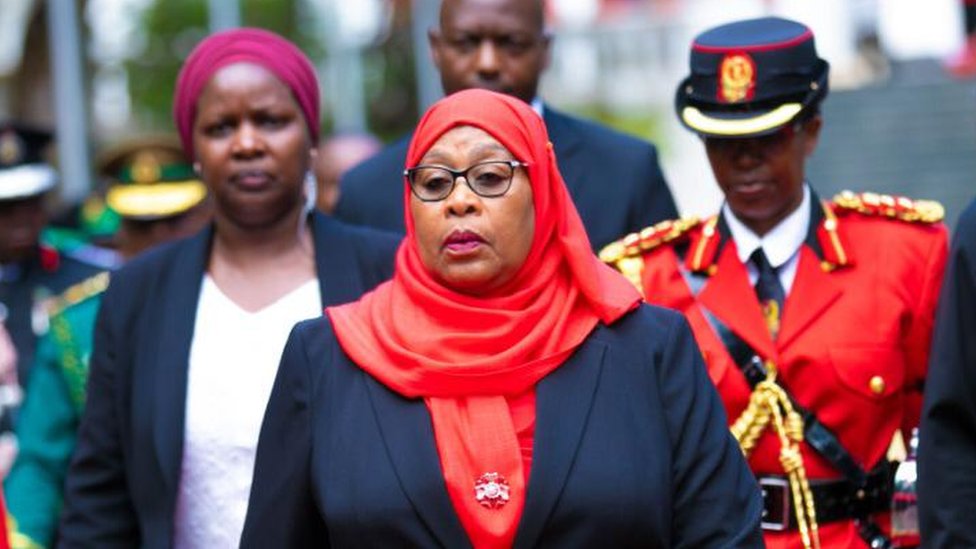
Tanzania President, Samia Suluhu Hassan (Photo Credit: Tanzania state house)
🇹🇿 Local miners, investors in Tanzania set to take over mining rights as government revokes 40 exploration licences
Tanzania has revoked 40 mineral exploration licenses from companies accused of hoarding assets without developing them. The Ministry of Minerals cited violations like non-payment of fees and poor compliance with local rules as the main reasons for this enforcement action.
The canceled licenses will be reallocated to small-scale miners and capable investors under a new state program. Another 43 license holders have been given 30 days to comply with regulations or lose their rights as the government seeks to restore discipline and transparency in licensing.
🇮🇳 India faces major setback in Zambia mineral deal as talks falter over cobalt and copper rights
India’s deal to explore 9,000 square kilometers for cobalt and copper in Zambia has stalled. Negotiations hit a wall because the Zambian government has not provided clear assurances on mining rights, leaving a planned three-year exploration program in a state of uncertainty.
The setback comes as India tries to secure critical minerals for electric vehicle batteries and electronics to reduce import dependence. Despite geological teams already collecting samples, the lack of formal rights prevents private companies from joining the project.
🇳🇬 Nigeria’s decades-long fuel dependency ends as Dangote ramps up output
Nigeria hit a watershed moment in March 2026, becoming a net exporter of petrol for the first time in decades. The Dangote Refinery produced 1.49 billion liters of petrol during the month, significantly surpassing the 1.06 billion liters required for domestic consumption.
Operating at a high 93.62% capacity, the facility exported 434 million liters of petrol to foreign markets. This shift ends a long-standing reliance on imports that previously drained foreign exchange, transforming Nigeria into a major supplier of refined products in Africa.
AI & Innovation
Sumir Meghani, cofounder and CEO of InstaworkInstawork. (Photo Credit: Greylock Partners)
The AI boom is making training robots the hot new gig
Instawork is pivoting from a gig-work platform for manual labor to a robotics business. It launched a Robotics Lab and certification program for "Pros" to become robot technicians. This shift helps close the "data gap" needed to train robots for complex, real-world tasks.
To feed the demand for physical AI data, Instawork developed "Instacore," a wearable camera system. Workers wear these devices while performing everyday jobs like washing dishes to record human movement. This data is then sold to researchers to help robots learn dexterity.
The company envisions a future of "robot wranglers" who maintain and work alongside machines. While some fear automation, Instawork’s model treats human labor as an essential part of the robotic lifecycle—from initial training to field support in warehouses and kitchens.
Quote Of The Day
The world is changed by your example, not by your opinion.
Listicles

(Photo Credit: Unsplash/shraga kopstein)
Top 10 African countries with massive natural resource wealth
Africa is a treasure trove of natural resources, from cobalt and diamonds to gold, oil, and rare minerals. These resources power global industries, drive energy transitions, and position the continent as a critical player in the world economy.
| S/N | Country | Key Natural Resources |
|---|---|---|
| 1 | 🇨🇩 DR Congo | Cobalt, Copper, Coltan, Gold, Diamonds, Tantalum, Tin, Uranium, Niobium, Manganese, Silver, Timber, Hydropower, Petroleum, Zinc. |
| 2 | 🇿🇦 South Africa | Gold, Platinum, Coal, Chromium, Manganese, Nickel, Iron Ore, Uranium, Natural Gas, Copper, Gem Diamonds, Phosphates, Antimony, Rare Earth Elements, Vanadium. |
| 3 | 🇦🇴 Angola | Petroleum, Diamonds, Gold, Copper, Bauxite, Phosphates, Iron Ore, Uranium, Feldspar. |
| 4 | 🇹🇿 Tanzania | Gold, Diamonds, Tanzanite, Coal, Nickel, Natural Gas, Iron Ore, Phosphates, Tin, Hydropower. |
| 5 | 🇳🇦 Namibia | Diamonds, Uranium, Zinc, Copper, Lithium, Tantalum, Silver, Cadmium, Lead, Salt, Fish. |
| 6 | 🇨🇮 Ivory Coast | Gold, Diamonds, Bauxite, Nickel, Iron Ore, Manganese, Natural Gas, Petroleum, Cobalt, Copper, Tantalum, Hydropower. |
| 7 | 🇪🇬 Egypt | Petroleum, Natural Gas, Iron Ore, Phosphates, Manganese, Gypsum, Limestone, Talc, Lead, Asbestos, Rare Earth Elements, Zinc. |
| 8 | 🇸🇸 South Sudan | Petroleum, Gold, Copper, Zinc, Silver, Diamonds, Tungsten, Chromite, Iron Ore, Limestone, Mica, Fertile Land, Hardwoods, Hydropower. |
| 9 | 🇧🇮 Burundi | Nickel, Cobalt, Copper, Gold, Rare Earth Oxides, Niobium, Tantalum, Tin, Tungsten, Uranium, Vanadium, Limestone, Kaolin. |
| 10 | 🇲🇬 Madagascar | Graphite, Chromite, Bauxite, Rare Earth Elements, Coal, Quartz, Mica, Semiprecious Stones, Tar Sand, Fish, Hydropower. |
Source: World Population Review
Geopolitics & Power

(Photo Credit: Getty Images/Chip Somodevilla)
🇿🇦 South Africa listed among countries losing trust in the U.S.
Trust in the U.S. is falling globally, with South Africa showing a 21% drop in positive sentiment. This decline follows the return of Donald Trump to the White House in 2025. Relations have worsened due to U.S. allegations over land policies and disagreements on foreign policy.
Tensions are fueled by high trade tariffs on South African goods and a U.S. boycott of G20 meetings hosted by Pretoria. South Africa joins other major economies like Canada, France, and Japan in reporting a significant loss of confidence in Washington as a reliable partner.
Policy uncertainty and unpredictable rhetoric remain major drivers of this shift. While Canada recorded the steepest drop at 52%, the decline in South Africa reflects a broader global trend of traditional allies and emerging markets reassessing their long-standing partnerships.
Business Implication
For businesses, falling trust and rising tariffs create a risky trade environment. Higher export costs and diplomatic friction could force South African companies to seek new markets, moving away from U.S. trade in favor of more stable global economic alliances.
Global Trends, African Impact
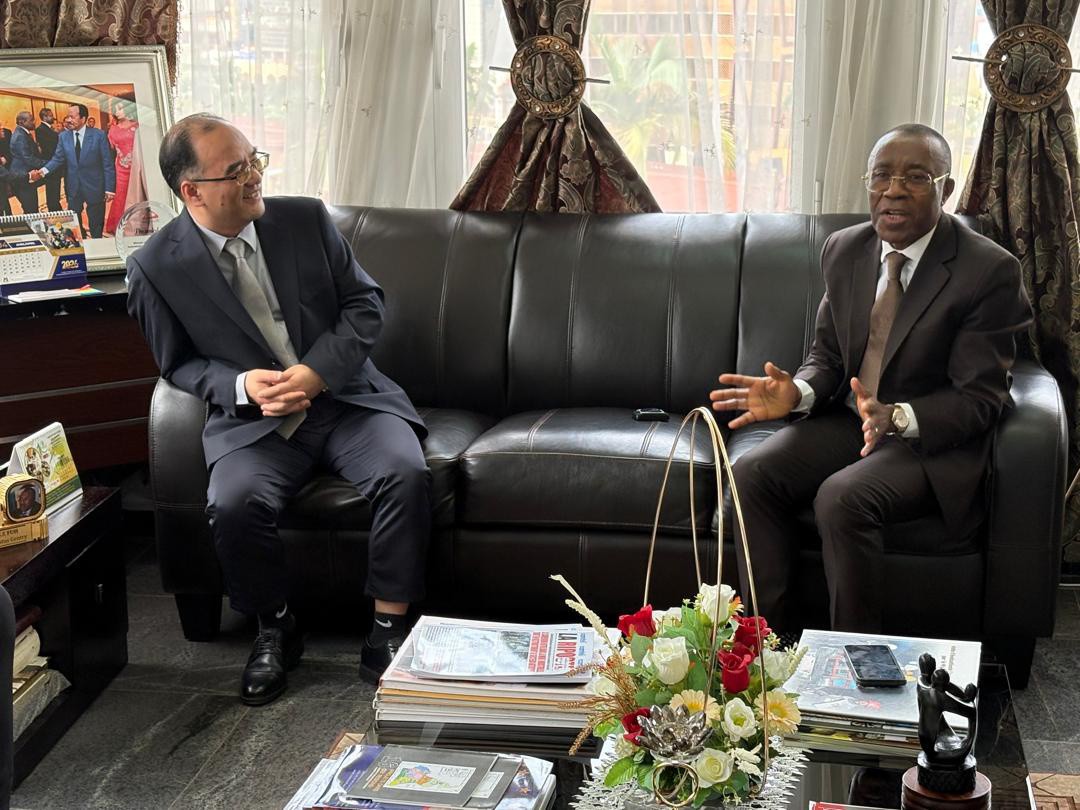
(Photo Credit: Facebook/MCTV Cameroun
🇨🇲 Cameroon introduces stricter gold mining conditions, targets foreign firms in crackdown
Cameroon is tightening oversight of its gold sector by setting new rules for mining firms in the East Region. To resume operations, companies must pay a $100,000 environmental bond, meet monthly production targets, and switch to closed-circuit processing within six months.
The government warns that these rules apply to all operators, regardless of nationality. The move follows a wave of closures at sites found breaching the Mining Code. The crackdown aims to stop illegal mining and environmental damage while ensuring the state collects more tax.
This shift reflects a wider trend across Africa, where governments are demanding higher compliance from foreign miners. In Cameroon, the high financial costs may shut out smaller, undercapitalized players who cannot afford the upfront environmental bond and operational costs.
Executive Trivia
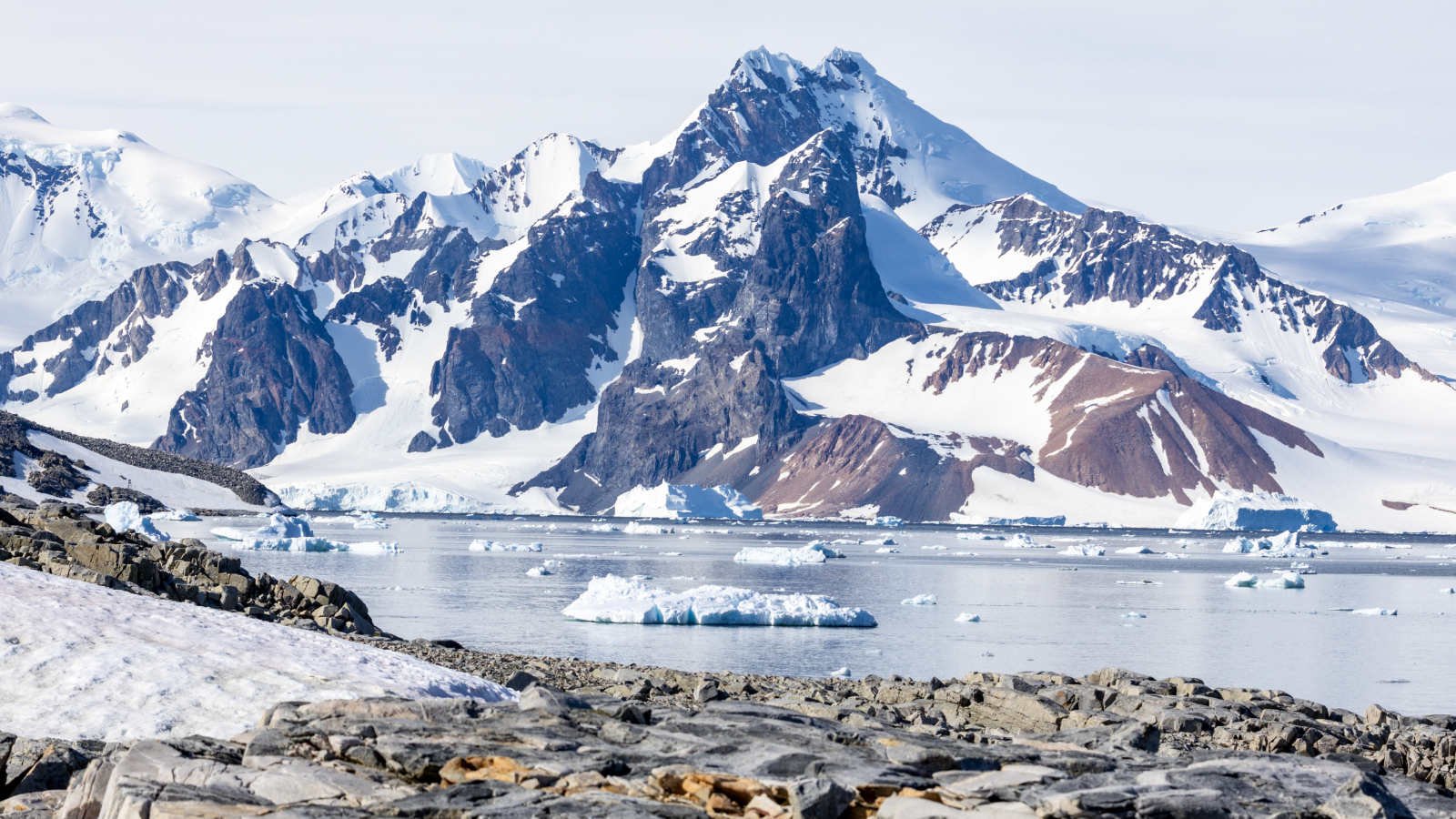
(Photo Credit: livescience.com)
Where is the coldest place on Earth, where record-breaking temperatures have plummeted to -93.2°C (135.7°F)?
Did You Know?
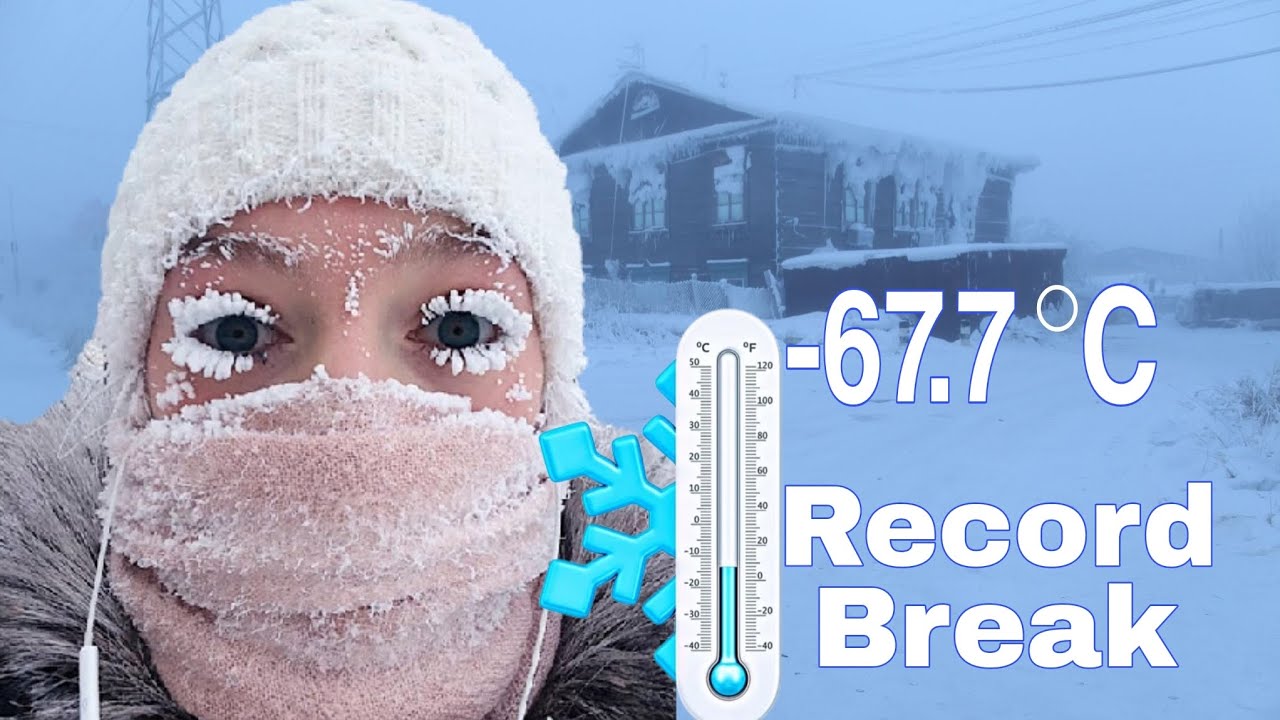
(Photo Credit: Youtube/@brishedafun8503)
The coldest permanently inhabited place on Earth is Oymyakon, Russia where temperatures have dropped to a staggering −67.7°C (−89.9°F). At such extremes, eyelashes can freeze instantly and cars are often left running all day to keep them from freezing.
Know someone who'd enjoy this briefing?