Business Brief
By Business Insider Africa
From the Editor
Last week, we looked at how the war in the Middle East forced Zambia to give up $100 million in tax revenue to keep local fuel affordable. Today, South Africa is finding new ways to stay resilient, with the government proposing its biggest financial reform in decades. By replacing 60-year-old exchange laws, South Africa aims to unlock $607 billion in investment and turn Johannesburg into a global gateway for capital.
This shift comes as South Africa also changes where it gets its energy, importing a record 165,000 tons of fuel from the U.S. this month to bypass blocked routes in the Middle East. At the same time, Nigeria’s Aliko Dangote is expanding his refinery to become the world’s largest, creating 95,000 jobs. These moves show that while some nations are losing tax money to the war, others are racing to build up their own industrial power and fuel security.
Beyond energy, the continent is becoming a key battleground for global influence. Turkey and Israel are now clashing for control of Red Sea trade routes through new bases and oil deals in Somalia and Somaliland. Meanwhile, China is trading defense support for access to Mozambique’s massive gas reserves. From finance to fossil fuels, African nations are moving quickly to protect their interests as the old global order continues to shift.
 | Victor Inusa, Newsletter Editor. |
✨ Today’s Must Read
South Africa targets $607 billion investment surge with biggest finance reform in decades

(Photo Credit: Wikimedia/Chris7cn)
South Africa is proposing its biggest financial overhaul in decades, aiming to replace exchange control laws dating back to 1961. The government wants a modern system with a "positive bias" toward cross-border flows to make the country a friendlier destination for global capital.
The Johannesburg Stock Exchange estimates these reforms could unlock $607 billion in investment. A key change would allow asset managers to run foreign-currency funds locally, stopping the drain of firms and tax revenue to rival hubs like Mauritius, Dubai, Nairobi, and Kigali.
The new rules will also formally regulate crypto assets for the first time, requiring large transfers to go through approved intermediaries. This shift targets South Africa’s leading digital asset market, which is increasingly used for remittances and moving money across borders.
Why This Matters
By modernizing 60-year-old rules, South Africa aims to cement Johannesburg as the primary gateway for international investors in Africa. If successful, this surge of capital could help fix the infrastructure bottlenecks and weak growth that have held back the continent's most advanced economy.
Advertisement

Africa’s Business Heroes 2026: Where Africa's boldest founders find their path to scale
Africa’s Business Heroes (ABH) 2026 is officially calling for the continent’s boldest founders to apply. This platform has grown into a major launchpad for high-growth startups in fields like fintech and healthcare, helping them move from just starting up to scaling fast.
While the $1.5 million prize pool is a big draw, the real value is in the network. Winners get access to mentors, global visibility, and a community of leaders. Past winners say the ABH title opens doors to big offices and trust that would usually take years to build.
Founders are encouraged to apply even if they doubt they are "big enough." The competition helps compress years of business struggle into a faster journey to success. Applications are now open for those building scalable systems that can solve real challenges across Africa.
The Big 3

(Photo Credit: clubofmozambique)
🇨🇳 China trades defence support, investment for Mozambique’s 5 trillion cubic metres gas and vast mineral reserves
China and Mozambique have signed a major deal trading defense support for access to 5 trillion cubic meters of gas and critical minerals. Beijing will provide geological mapping and industrial investment to unlock these resources, while securing long-term energy supplies.
Beyond extraction, the "full-package" model includes local processing plants and counterterrorism support to stabilize the insurgency. This move positions China ahead of Western rivals by combining industrial growth with the security needed to protect its assets.
🇿🇦 South Africa’s fuel imports from the U.S. hit 165,000 tons following Middle East supply disruptions
South Africa is shifting away from its traditional reliance on Middle Eastern fuel, ramping up imports from the United States instead. Shipping data shows that 165,000 tons of refined fuel arrived in Durban this month as instability in the Strait of Hormuz disrupts Gulf supply lines.
While global fuel remains available, longer shipping distances from the U.S. have led to higher freight costs and record-breaking domestic price hikes. Industry experts warn that these new trade patterns may become permanent, even if geopolitical tensions in the Middle East ease.
🇳🇬 Dangote plans world’s largest refinery expansion, targeting 95,000 jobs
Aliko Dangote has announced a massive expansion of his refinery, aiming for a production capacity of 1.4 million barrels per day. This upgrade would see the facility surpass India’s Jamnagar Refinery to become the world’s largest, significantly boosting Nigeria’s fuel security.
The project is set to create up to 95,000 skilled jobs for engineers and technicians during peak construction. By scaling up, the refinery aims to end Nigeria’s reliance on imported fuel, reduce pressure on foreign exchange, and position the nation as a net exporter.
AI & Innovation

(Photo Credit: Getty Images)
Everyone's focused on AI — but it's aging Americans who are quietly rewiring the job market
While artificial intelligence dominates global headlines, an aging population is unequivocally reshaping the labor market. This shift is turning the economy into a healthcare-driven one, where demand for talent is fueled by an urgent need to care for older Americans.
The healthcare sector is seeing record growth as workers are needed for long-term care and therapy. Home health and personal care aide roles are projected to increase by nearly 740,000 by 2034, as AI tools cannot perform physical tasks like lifting or walking with patients.
Beyond healthcare, industries like construction are facing a "retirement cliff." Experienced plumbers and electricians are leaving the workforce faster than new workers can be trained, leading to labor shortages that affect the speed and quality of essential infrastructure work.
Quote Of The Day
The distance between where you are and where you want to be is called 'action'.
Listicles
(Photo Credit: Bloomberg)
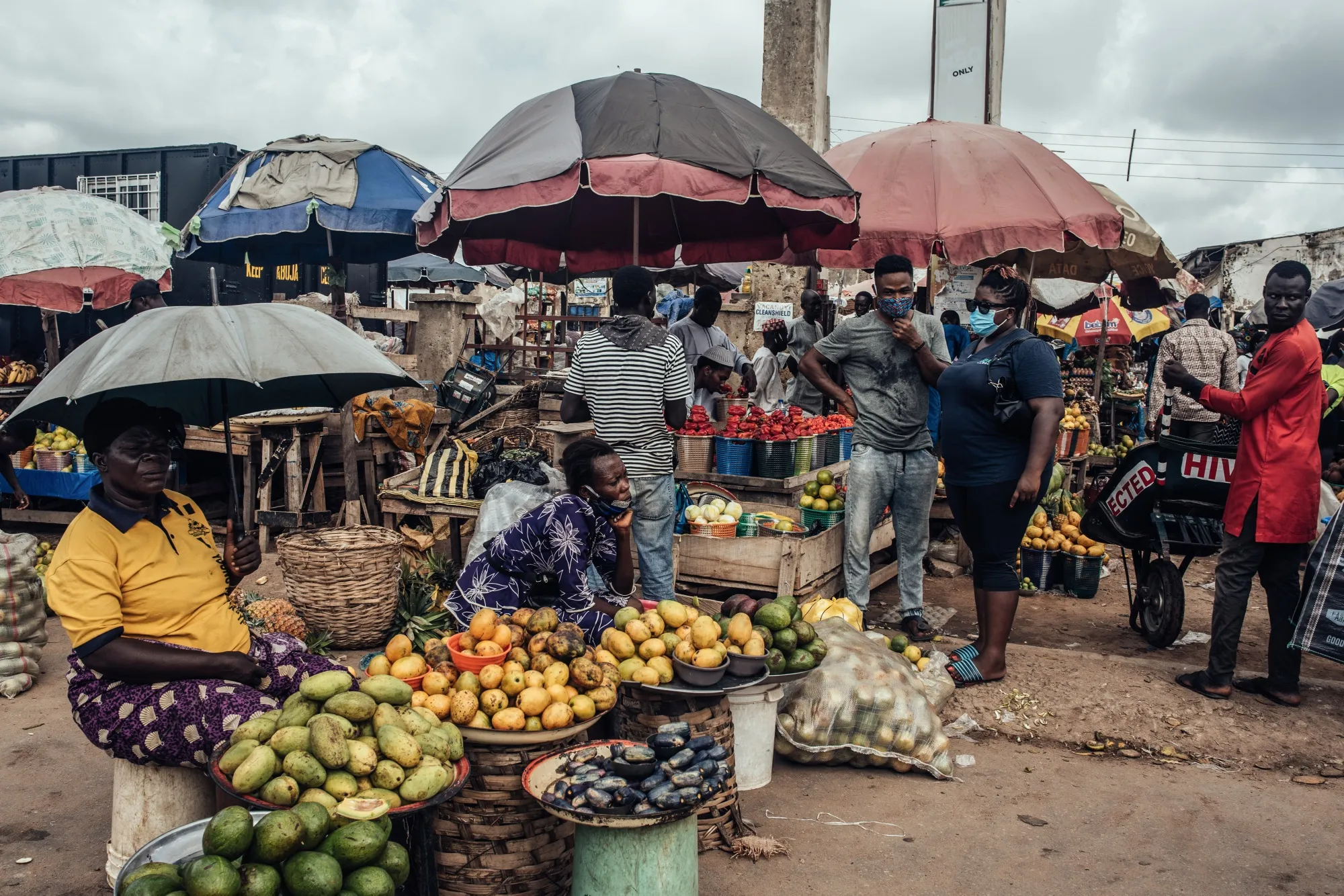
10 African countries where inflation is rising fastest in 2026 amid global conflict
High inflation is crippling purchasing power across Africa, with the World Bank projecting growth to stagnate at 4.1% in 2026. Driven by Middle East conflicts and surging food and fuel costs, these price shocks risk pushing nearly 2 million people into extreme poverty.
| S/N | Country | Consumer Price Index (Annual Change) |
|---|---|---|
| 1 | 🇸🇩 Sudan |
|
| 2 | 🇸🇸 South Sudan |
|
| 3 | 🇲🇼 Malawi |
|
| 4 | 🇧🇮 Burundi |
|
| 5 | 🇦🇴 Angola |
|
| 6 | 🇳🇬 Nigeria |
|
| 7 | 🇪🇹 Ethiopia |
|
| 8 | 🇸🇹 Sao Tome |
|
| 9 | 🇸🇱 Sierra Leone |
|
| 10 | 🇿🇲 Zambia |
|
Source: World Bank
Geopolitics & Power
(Photo Credit: Al Jazeera)
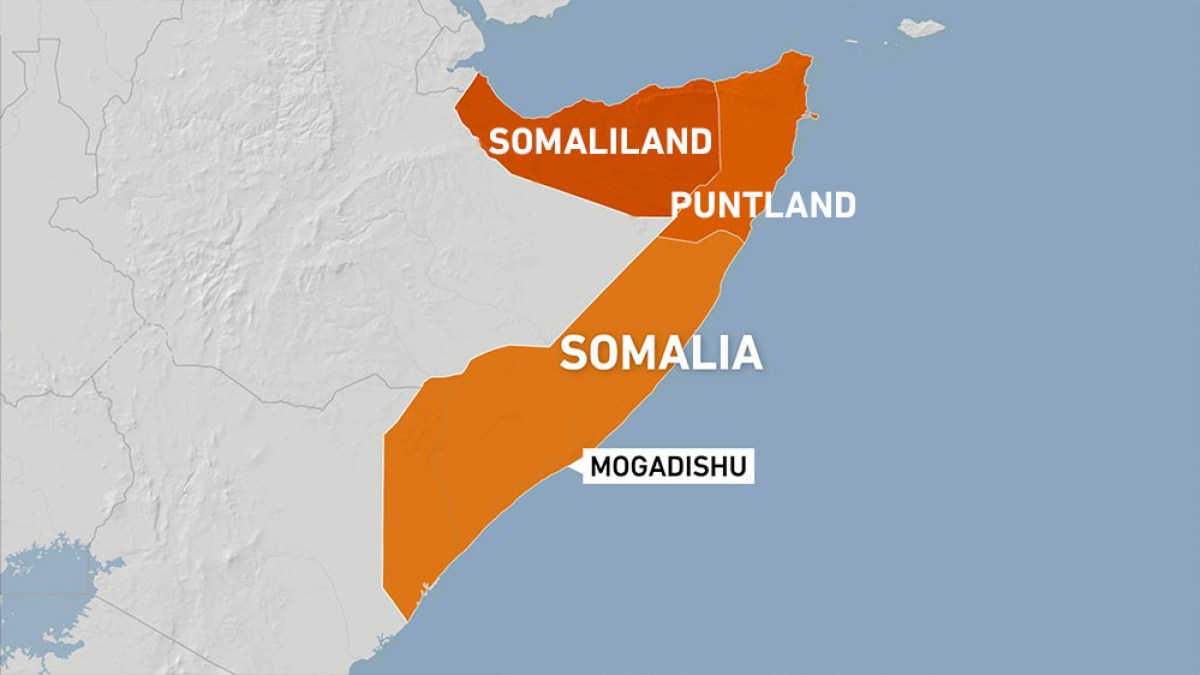
🇹🇷 Turkey and Israel clash for control of the Red Sea as Somalia and Somaliland become strategic battlegrounds
Turkey and Israel are intensifying their rivalry in the Horn of Africa, using Somalia and Somaliland as battlegrounds for trade route control and oil. Turkey has secured gas exploration rights and a major military presence in Somalia, including plans for a naval base and spaceport.
Israel has shifted the regional balance by becoming the first nation to formally recognize Somaliland as an independent state. This move, condemned by Somalia and several Arab nations, allows Israel to explore building a military base near the Gulf of Aden to monitor Yemen’s Houthis.
The competition extends into energy, with Turkey preparing to drill for Somalia’s estimated 30 billion barrels of offshore oil. Meanwhile, diplomatic tensions are peaking as both nations exchange sharp rhetoric over regional conflicts, using African bases to extend their military reach.
Business Implication
The militarization of the Red Sea corridor by global powers creates a high-stakes environment for regional trade and energy firms. While it brings infrastructure investment and oil exploration, the escalating rivalry increases geopolitical risks for long-term maritime projects.
Global Trends, African Impact
(Photo Credit: engineeringnews.co.za)
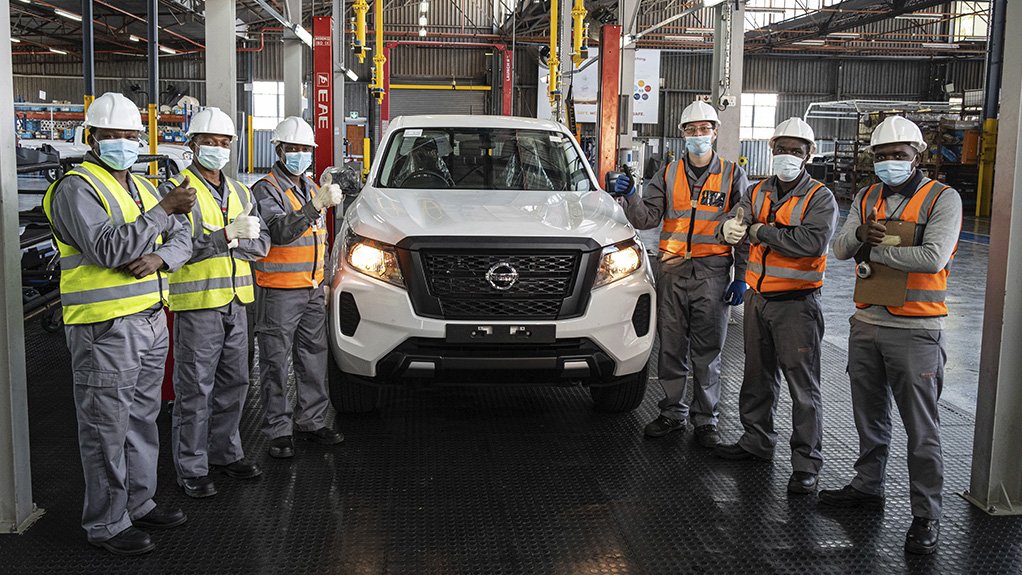
🇿🇦 South Africa loses Nissan’s $45 million expansion bet as Egypt becomes preferred manufacturing hub
Nissan is redirecting a $45 million investment to expand its manufacturing capacity in Egypt, signaling a major shift away from South Africa. The Japanese automaker is doubling down on Egypt due to its lower operating costs and stronger potential as a regional export hub.
The $45 million expansion aims to boost Nissan's Egyptian output by a third, adding 10,000 vehicles annually. To reduce supply chain risks, more than half of the components will be sourced locally, helping the company supply markets across Africa, the Middle East, and Europe.
While South Africa remains a sales brand for Nissan, it loses the industrial value and jobs associated with local manufacturing. In a broader reshuffle of the continent's automotive sector, China’s Chery Automobile has already taken over Nissan’s assets in South Africa.
Executive Trivia

(Photo Credit: Unsplash/James Wiseman)
Did You Know?

(Photo Credit: quizlet.com)
Africa is the only continent that sits in all four hemispheres, physically crossed by both the Equator and the Prime Meridian. Economically, this placement aligns many African nations with European time zones, a major reason why countries like Nigeria and South Africa are now global leaders in the outsourcing industry.
Know someone who'd enjoy this briefing?