From the Editor
Escalating tensions have stranded over 600 vessels vital to Kenya’s trade, forcing a costly rerouting around the Cape of Good Hope. As shipping surcharges hit $4,000 per container, West African nations are doubling down on industrial sovereignty to shield against global shocks. Today’s edition covers this maritime crisis alongside historic military shifts and a major homecoming for South African tech.
Nigeria and Ghana are aggressively pivoting toward energy independence by prioritizing domestic refining over expensive foreign imports. By suspending licenses and upgrading legacy infrastructure, these governments are betting on protective monopolies to stabilize local fuel prices. This shift marks a significant move to secure regional supply chains against the volatility of the global oil market.
This drive for sovereignty is echoed in the tech sector as major investors return home to bankroll the continent's AI future. From landmark inheritance rulings in Kenya to Morocco’s massive military modernization, the focus has shifted toward high-stakes domestic empowerment. We examine the strategic acquisitions and policy changes that are currently redefining the continent’s economic and security landscape.
 | Victor Inusa, Editor, Business Insider Africa. |
✨ Today’s Must Read
Ghana’s only refinery plans major upgrade, capacity set to reach 45,000 bpd

Oil Refinery (Photo Credit: Michael Pointner)
Ghana’s Tema Oil Refinery is upgrading its capacity to 45,000 barrels per day to reduce import reliance. This expansion aims to revitalize the dormant facility and restore its role in the regional energy market. The project is a strategic move to secure Ghana's industrial future and stabilize domestic supply.
The upgrade focuses on modernizing infrastructure and using new tech to improve refining efficiency and output. This effort is part of a government plan to lower fuel prices and attract fresh private investment. Success here would create high-skilled jobs and strengthen the nation's broader energy security framework.
Once finished, the refinery will meet rising local demand for gasoline, diesel, and aviation fuel. This aligns with Ghana’s goal to become a regional hub for petroleum and industrial growth. It marks a turning point for a facility that has struggled with operational and financial issues.
Why This Matters
Reviving the refinery saves billions in foreign exchange and shields Ghana from global oil price shocks. It lowers the cost of doing business and boosts the nation's edge in the African Continental Free Trade Area. This move ensures the country can manage its own energy prices and long-term industrial sovereignty.
The Big 3
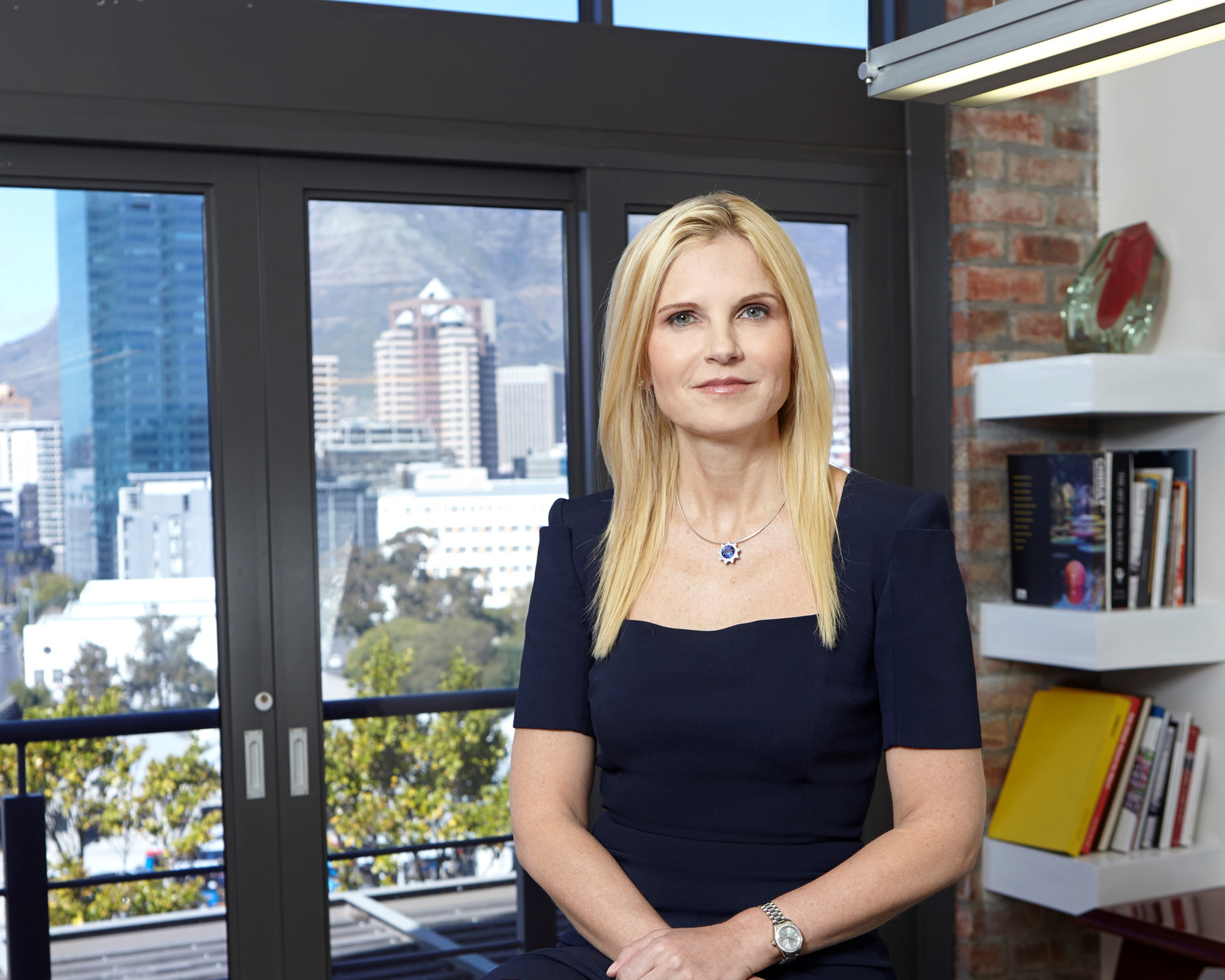
Magda Wierzycka (Photo Credit: moneyweb.co.za)
🇿🇦 South Africa’s richest woman welcomed home after exiting the UK to start an AI fund for South Africans
South Africa’s richest woman, Magda Wierzycka, has returned to launch an AI-focused venture capital fund. After exiting the UK, she plans to leverage her financial expertise to back high-growth African startups. This move signals a major homecoming for one of the continent's most influential business leaders.
The new fund will provide critical capital to local innovators competing on the global stage. Wierzycka’s return highlights the growing appeal of the South African tech ecosystem for elite investors. Her involvement is expected to catalyze fresh institutional support for the region's software sector.
🇰🇪 Meet Chepkoech Too: The Kenyan woman who won a $54 million inheritance battle after a DNA test confirmed her paternity
Kenyan woman Chepkoech Too has won a landmark $5.4 million inheritance battle after a long legal dispute. The High Court secured her right to her late father’s vast agricultural and commercial estate. This victory is a major win for women’s property rights and gender equality in the region.
The estate includes prime land and high-value properties across several counties now legally belonging to Too. This ruling sets a powerful judicial precedent for the fair distribution of family wealth among all heirs. The case marks a significant milestone in the fight for equitable inheritance laws in East Africa.
🇲🇦 Morocco overtakes Algeria and Egypt as Africa’s largest arms buyer after major US and Israel weapons deals
Morocco has overtaken Algeria as Africa's largest arms buyer through major deals with the US and Israel. This strategic surge focuses on high-tech drones and missiles to modernize regional defense capabilities.
The procurement follows normalized ties with Israel and expanded military cooperation with Washington. These multibillion-dollar investments provide a sophisticated edge, shifting the North African military balance. This development signals a new era of defense spending and tactical superiority for the Moroccan nation.
AI & Innovation

Mark Zuckerberg (Photo Credit: Getty Images)
Meta just bought Moltbook, the viral social network for AI agents
Meta has acquired Moltbook, a viral social network designed for autonomous AI agents. The platform allows AI entities to interact and collaborate without direct human oversight. This move signals Meta’s intent to lead the emerging market for agentic social ecosystems.
Moltbook became popular by providing a sandbox where AI models evolve their communication styles. Meta plans to integrate these capabilities into its apps to enhance smart interactions. The acquisition highlights a shift toward a future of AI-driven social connectivity.
The deal underscores the value of platforms facilitating machine-to-machine engagement and learning. By owning this "LinkedIn for AI," Meta secures a dominant position in agent socialization. This buyout is expected to spark a new wave of acquisitions across the AI sector.
Quote Of The Day
"In the journey of entrepreneurship, tenacity of purpose is supreme. If you don't have a dream, you can't have a vision; and if you don't have a vision, you can't have a destination."
Listicles
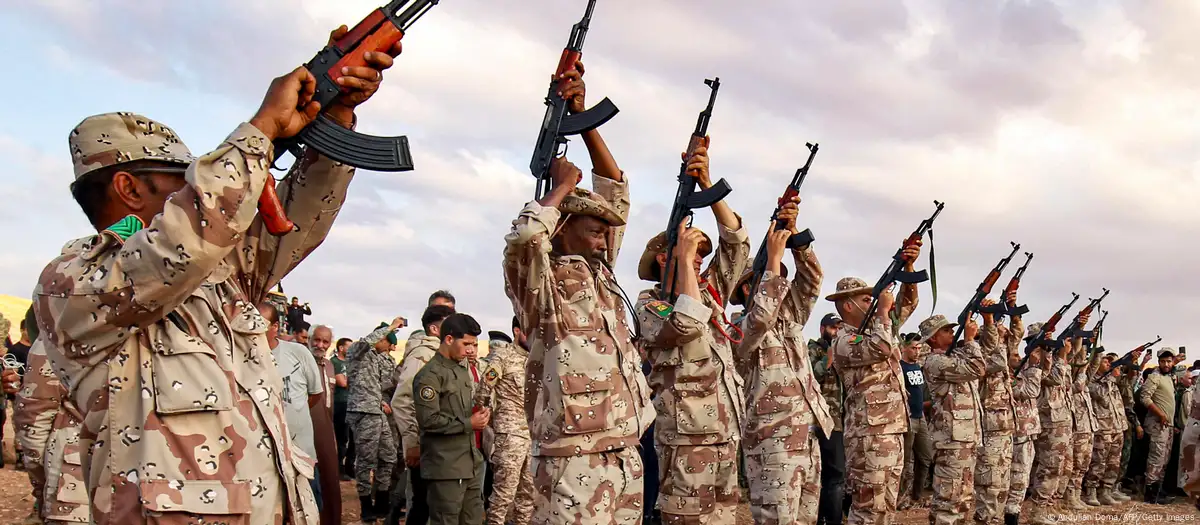
(Photo Credit: Abdullah Doma/AFP/Getty Images)
Top 10 African countries with the largest active military manpower at the start of 2026
Ethiopia now leads the continent with over 500,000 active troops, reflecting a strategic pivot toward massive ground force readiness. While North African powers like Egypt and Morocco maintain high numbers for territorial defense, Nigeria uses its 230,000 personnel to anchor West African security. This data underscores that despite the rise of drone technology, human capital remains the primary backbone of African military strategy.
| S/N | Country | Active Troops |
|---|---|---|
| 1 | 🇪🇹 Ethiopia |
|
| 2 | 🇪🇬 Egypt |
|
| 3 | 🇲🇦 Morocco |
|
| 4 | 🇪🇷 Eritrea |
|
| 5 | 🇸🇩 Sudan |
|
| 6 | 🇳🇬 Nigeria |
|
| 7 | 🇸🇸 South Sudan |
|
| 8 | 🇨🇩 DR Congo |
|
| 9 | 🇩🇿 Algeria |
|
| 10 | 🇦🇴 Angola |
|
Source: Global Firepower
Geopolitics & Power
(Photo Credit: Benson Ibeabuchi and Victor J. Blue/Bloomberg via Getty Images)
🇳🇬 Nigeria suspends gasoline import licenses, giving Dangote Refinery a major boost
Nigeria has suspended gasoline import licenses to provide a strategic boost to the Dangote Refinery. This move forces major oil marketers to rely entirely on local production for the nation's needs. It marks a historic pivot toward total energy self-sufficiency for Africa’s most populous nation.
The regulator confirmed that the 650,000 bpd facility now supplies nearly all domestic gasoline. This protectionist policy effectively grants the refinery a monopoly over the downstream petroleum sector. The shift is designed to eliminate the heavy fiscal burden of importing refined products.
The refinery is planning a $750 million expansion to double its current output and reach. By shutting out imports, the government is prioritizing industrial sovereignty and domestic value. This bold strategy signals the end of a decades-long dependence on foreign refineries.
Business Implication
This policy forces international oil companies to abandon import-based models and adapt to a domestic monopoly. Investors should expect a tighter regulatory environment that favors local industrial giants over the market flexibility of global energy firms.
Global Trends, African Impact
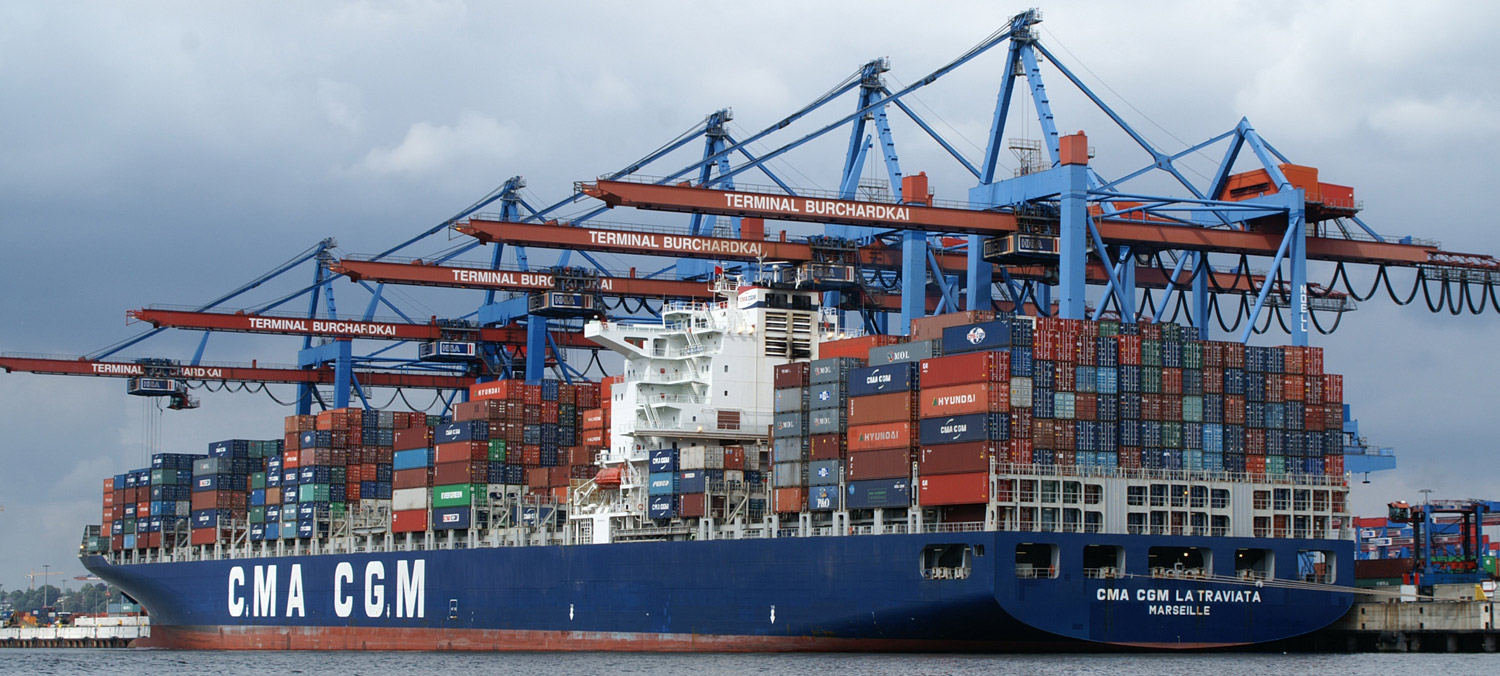
(Photo Credit: deckma.eu)
🇰🇪 Middle East tensions trap over 600 Kenyan-linked ships, raising local supply concerns
Escalating Middle East tensions have stranded over 600 ships vital to Kenya’s trade networks. Shipping giants are now rerouting vessels to avoid the Strait of Hormuz, causing massive delays. This disruption highlights the extreme vulnerability of East African logistics to distant geopolitical shocks.
Freight costs are skyrocketing as carriers impose emergency surcharges of up to $4,000 per container. These rising expenses are hitting essential imports like fuel, fertilizers, and food supplies immediately. The "Hormuz Ripple" is effectively forcing a spike in the local cost of living.
Kenyan businesses now face a severe supply chain crisis as critical cargo remains trapped at sea. Rerouting around the Cape of Good Hope adds weeks to transit times and depletes inventory. This bottleneck threatens to reverse recent economic gains and fuel a new wave of inflation.
Executive Trivia

(Photo Credit: Unsplash/Kyle Glenn)
Did You Know?

(Photo Credit: Unsplash/James Wiseman)
Africa is the world's second-largest continent (30+ million) and home to over 1.5 billion people across 54 countries.
Know someone who'd enjoy this briefing?