Business Brief
By Business Insider Africa
From the Editor
Nigeria is losing out on $3.3 billion in oil revenue because it cannot meet production targets while global prices remain high. This gap persists even as the $25 billion Morocco gas pipeline advances to secure long-term energy exports to Europe. Both situations highlight the struggle to balance immediate cash needs with the massive infrastructure required to secure the continent's energy future.
This shift in the energy landscape is also visible in South Africa, where Shell is preparing a $1 billion exit to hand its fuel network over to Abu Dhabi’s ADNOC. Similarly, in Zimbabwe, Strive Masiyiwa is moving beyond telecom to build a $1 billion "Tech City" focused on AI and data centers. These moves show a clear trend of Gulf investors and digital infrastructure replacing traditional Western oil majors.
The pressure of global conflict continues to tighten, with rising debt costs and food inflation now threatening local budgets from Nigeria to Ethiopia. While Morocco positions itself as a regional drone hub to boost security, Zimbabwe is loosening lithium export rules to keep its mines running. From high-tech defense to critical minerals, African nations are racing to adapt as global economic rules are rewritten.
 | Victor Inusa, Newsletter Editor. |
✨ Today’s Must Read
Nigeria forfeits $3.3bn oil gains as joint Morocco $25bn pipeline project advances

L-R: King Mohammed VI of Morocco and President Bola Tinubu of Nigeria. (Photo Credit: Aurelien Meunier and Aaron Chown via Getty Images)
Nigeria has lost about $3.3 billion in potential oil money so far in 2026. Even though global oil prices are high (over $100 per barrel), Nigeria is not pumping enough crude oil to meet its targets. The country missed out on producing over 33 million barrels in the first three months of the year.
At the same time, a $25 billion gas pipeline between Nigeria and Morocco is making progress. This 6,900km pipeline is designed to take gas from Nigeria to Morocco and then to Europe. A new agreement for the project will be signed this year, with a goal to start moving gas by 2031.
While the pipeline is a long-term plan to help Nigeria's economy, the country still faces immediate problems with its oil production. If Nigeria can't fix these production gaps, it will continue to miss out on the high profits caused by rising global oil prices and Middle East tensions.
Why This Matters
This matters because Nigeria is failing to cash in on high global oil prices when it needs the money most. While the Morocco pipeline is a great future plan for gas, the country is currently losing billions in "now money" that could support its economy today.
The Big 3
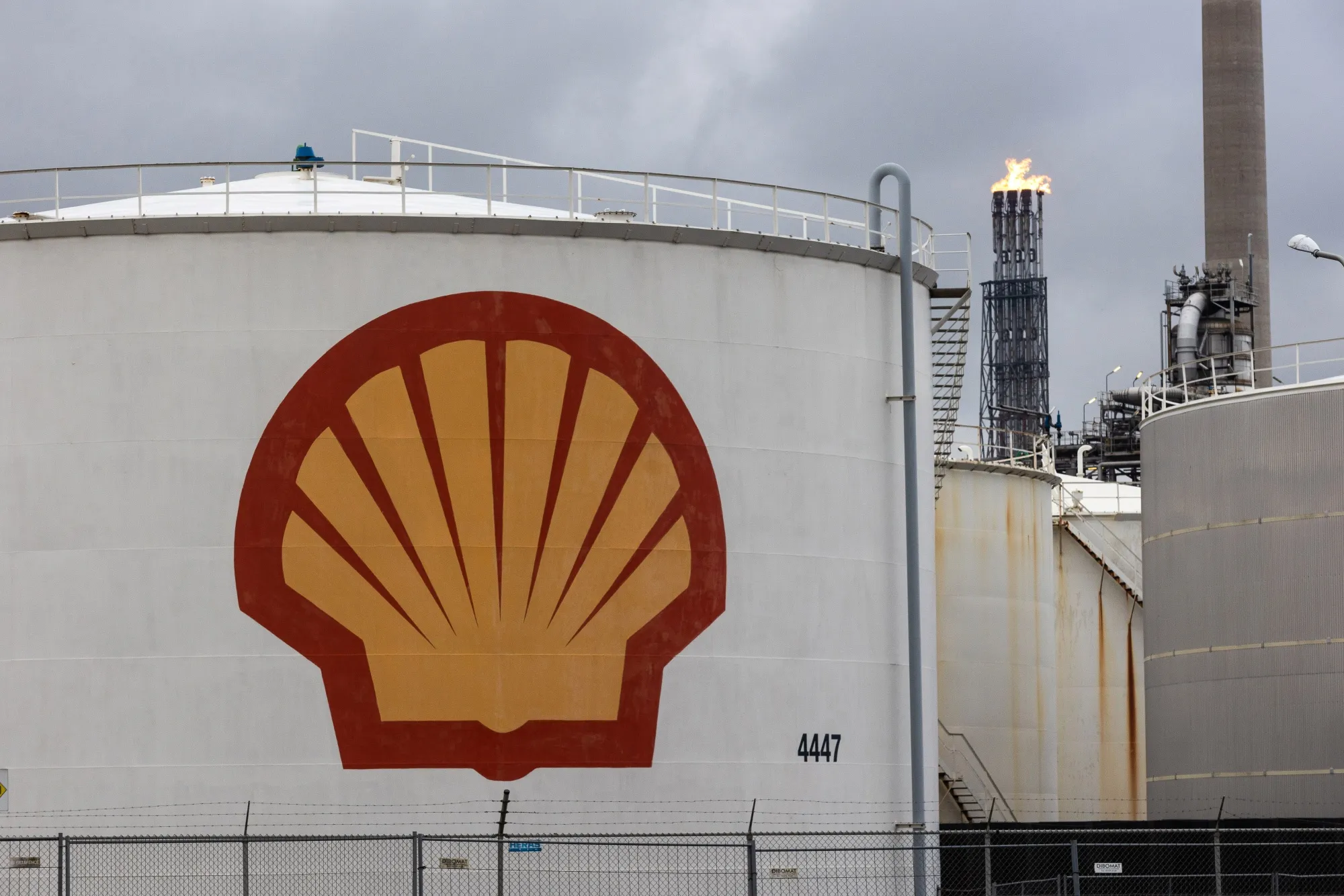
(Photo Credit: Bloomberg)
🇿🇦 $1 billion exit: Shell to hand 10% of South African fuel market to UAE's state oil company
Shell is in advanced talks to sell its South African retail assets to Abu Dhabi National Oil Company (ADNOC) for about $1 billion. The deal involves roughly 600 fuel stations and marks the end of an era for Shell, which has been in the country for over a century.
This move gives ADNOC a 10% share of South Africa's fuel market as part of its $150 billion global expansion plan. Shell is exiting to focus on more profitable assets and manage risks from global instability. The sale reflects a shift as Gulf firms replace Western oil majors in Africa.
🇿🇼 From AI factories to cryptocurrency, Zimbabwe’s richest man is now building a city
Strive Masiyiwa is building Econet Tech City, an 800-acre industrial hub near Harare. Managed by the $1 billion Econet InfraCo, this "city within a city" aims to attract global investors by offering a one-stop shop with power, fiber, and security already in place.
The hub will focus on high-tech facilities like data centers and AI factories. It is designed to be self-sustaining with its own clinics and malls, excluding housing. The project expects to host 300 businesses and create 20,000 jobs to boost Zimbabwe's industrialization.
🇿🇦 US-Iran War: Africa’s mounting debt crisis deepens since pandemic - fuels fresh inflation risk
The war in Iran is making it harder for African countries to pay back debts. Borrowing costs have nearly doubled since 2020, with World Bank rates jumping from 1.4% to 5.2%. This new conflict adds more pressure to economies already struggling after the pandemic.
Rising energy and food prices from the war are creating fresh inflation risks. Experts warn that many nations now have less money for hospitals, schools, or roads. While some countries like Angola still accessed loans recently, the high cost of interest is a major threat.
AI & Innovation
Linkedin CEO Ryan Roslansky (Photo Credit: Shutterstock)
LinkedIn CEO says AI is boosting the value of these 4 soft skills
LinkedIn CEO Ryan Roslansky says that as AI takes over routine tasks, human-centered skills are becoming more important. He identifies four specific "soft skills" that workers should focus on: curiosity, courage, communication, and compassion. These are now vital for doing a job well.
Roslansky argues that we should view our jobs as a "collection of tasks" rather than a fixed title. AI can automate or help with many tasks, but it cannot handle human moments like resolving conflict or persuading a team. This shift allows people to focus on deeper, more meaningful work.
While some tech leaders predict AI will replace most jobs, Roslansky has a more hopeful view. He believes that if people hone their craft in these four areas, technology and humans can work together to build a better future. He emphasizes that humans still play a key role in the workplace.
Quote Of The Day
Success is stumbling from failure to failure with no loss of enthusiasm.
Listicles
(Photo Credit: fmino.gov.ng)
The 10 African countries where food prices will rise the most in 2026
A new global food inflation outlook released by the UN’s Food and Agriculture Organization (FAO) projects sharp divergences in food price movements across 160 countries in 2026, with several African economies expected to record some of the steepest increases worldwide.
| S/N | Country | Food Inflation Forecast (%) |
|---|---|---|
| 1 | 🇳🇬 Nigeria |
|
| 2 | 🇦🇴 Angola |
|
| 3 | 🇿🇲 Zambia |
|
| 4 | 🇪🇹 Ethiopia |
|
| 5 | 🇧🇮 Burundi |
|
| 6 | 🇨🇻 Cabo Verde |
|
| 7 | 🇨🇲 Cameroon |
|
| 8 | 🇰🇪 Kenya |
|
| 9 | 🇸🇴 Somalia |
|
| 10 | 🇹🇿 Tanzania |
|
Source: FAO
Geopolitics & Power

UX11 (Photo Credit: Delaire)
🇲🇦 Morocco emerges as Africa's drone hub as France's manufacturer expands operations
French drone manufacturer Delair is establishing its African headquarters in Rabat. The company is launching a new subsidiary, Delair Africa, to deepen its footprint across the continent. This move is designed to improve responsiveness to clients and ensure operational proximity.
Delair has been active in Africa since the early 2010s, with contracts in Nigeria, Niger, and Côte d'Ivoire. Morocco was chosen as the base due to its strategic importance and existing investments in drone infrastructure, such as the Royal Gendarmerie’s use of DT-26 drones.
The expansion coincides with a U.S.-backed plan to build a regional drone training center in Morocco. This initiative will enhance the operational capacity of African armed forces, and analysts say the initiative makes Morocco a central focal point for drone innovation and military training.
Business Implication
The arrival of Delair Africa signals rising global confidence in Africa’s defense technology market. By hosting manufacturing and specialized training centers, Morocco is positioning itself as the continent's primary hub for high-tech security and surveillance investments.
Global Trends, African Impact
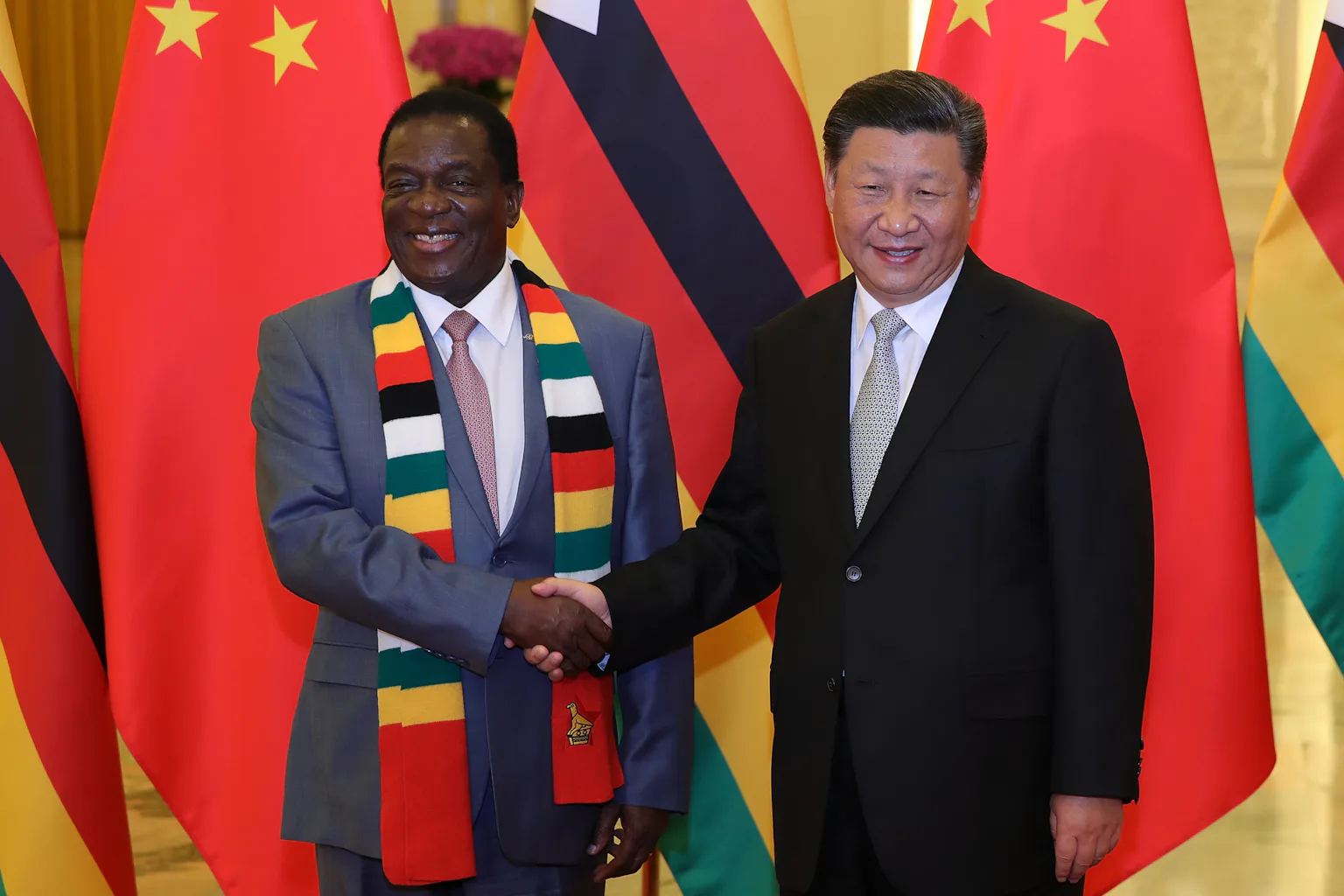
L-R Zimbabwe’s President Emmerson Mnangagwa and Chinese counterpart President Xi Jinping. (Photo Credit: EPA-EFE/Lintao Zhang / POOL)
🇿🇼 Africa’s top lithium producer eases export restrictions, introduces quotas for Chinese firms
Zimbabwe has introduced a new quota system to allow Chinese firms to resume lithium exports, partially reversing a total ban. The original suspension was launched to stop revenue leakage and underpricing. Now, the government uses quotas to keep mines running while demand grows.
This shift allows companies like Yahua to ship concentrates for six-month periods if they commit to local processing. These approvals ensure that mining operations do not stall. By linking export rights to factory construction, Zimbabwe aims to capture more value from its wealth.
China remains the dominant player, having exported over 1.1 million tonnes of concentrate from Zimbabwe last year. This system reinforces Beijing’s control over critical minerals. While Zimbabwe seeks to become a battery hub, it remains dependent on Chinese investment and infrastructure.
Executive Trivia
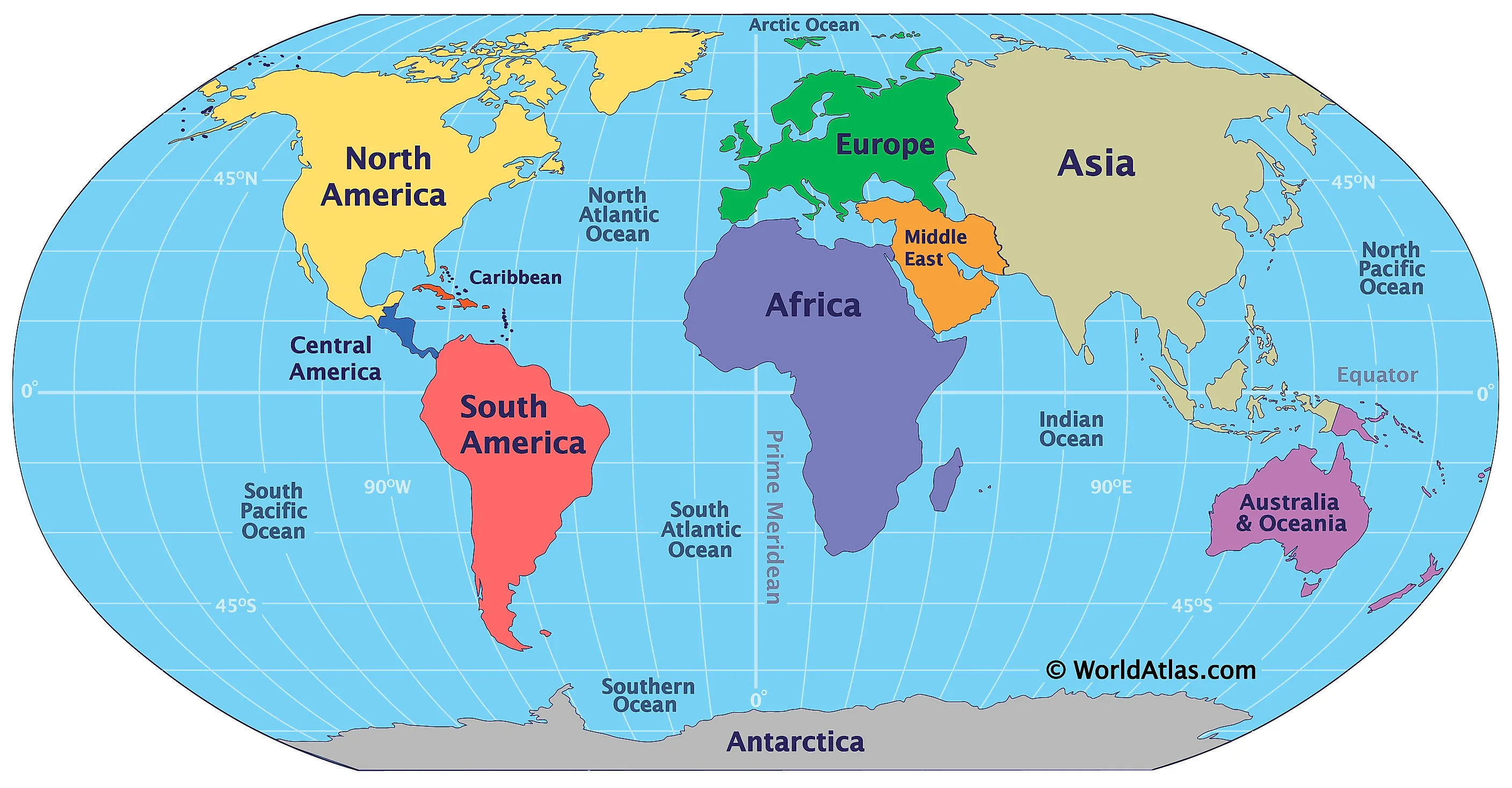
(Photo Credit: World Atlas)
What is the name of the largest and deepest ocean on earth?
Did You Know?

Despite how massive our world feels, all the land on Earth (including every continent and island) only covers about 29% of the planet's surface. The other 71% is covered by water.
Know someone who'd enjoy this briefing?