Business Brief
By Business Insider Africa
From the Editor
The map of global trade is shifting as Morocco and Spain advance plans for a €20bn subsea tunnel. Positioned beneath the Strait of Gibraltar, the project is being hailed as Africa’s own "Strait of Hormuz" for its potential to bypass vulnerable global chokepoints. A similar move toward stability is happening in Nigeria, where the Dangote Refinery is securing local crude to shield itself from the Middle East oil squeeze.
Resource control is becoming the continent's new power play. Guinea has officially entered the global iron ore market with its first 200,000-tonne shipment to China, marking a massive industrial win. At the same time, Switzerland is doubling down on its 50-year partnership with Burkina Faso, pledging $23m to support local governance and economic growth.
Efficiency is also redefining the corporate world, with Big Tech now prioritizing revenue-per-employee over massive headcounts. This lean approach aligns with South Africa’s new $116bn investment drive and Zambia’s fresh trade deal with Sweden. Both nations are moving beyond traditional aid to focus on high-impact, climate-smart commercial partnerships.
 | Victor Inusa, Newsletter Editor. |
✨ Today’s Must Read
Africa’s biggest refinery secures more local crude as Middle East war drives global oil squeeze

Dangote Refinery (Photo Credit: Credit: Reuters/Temilade Adelaja)
The Dangote Refinery has successfully increased its local crude oil supply to protect its operations from the global oil squeeze. As the Middle East conflict disrupts shipments and pushes prices higher, the refinery is leaning on domestic sources for steady production.
This move is a major step toward energy security. By securing more local crude, the refinery reduces its dependence on volatile foreign markets. This shift helps stabilize fuel availability even as global tensions threaten to drive international prices to record highs.
Industry experts see this as a critical shield against global shocks. As the refinery ramps up to full capacity, its ability to source oil locally could lower logistics costs and keep prices more predictable for consumers, regardless of the chaos in international shipping lanes.
Why This Matters
This development shows how Africa can use its own resources to stay safe from global wars. By processing local oil at home, the continent's biggest refinery helps keep fuel flowing and prices stable, making the entire region less vulnerable to supply cuts from overseas.
The Big 3
(Photo Credit: hafen-hamburg)
🇨🇳 China receives first 200,000-tonne shipment from Africa’s largest untapped iron ore project
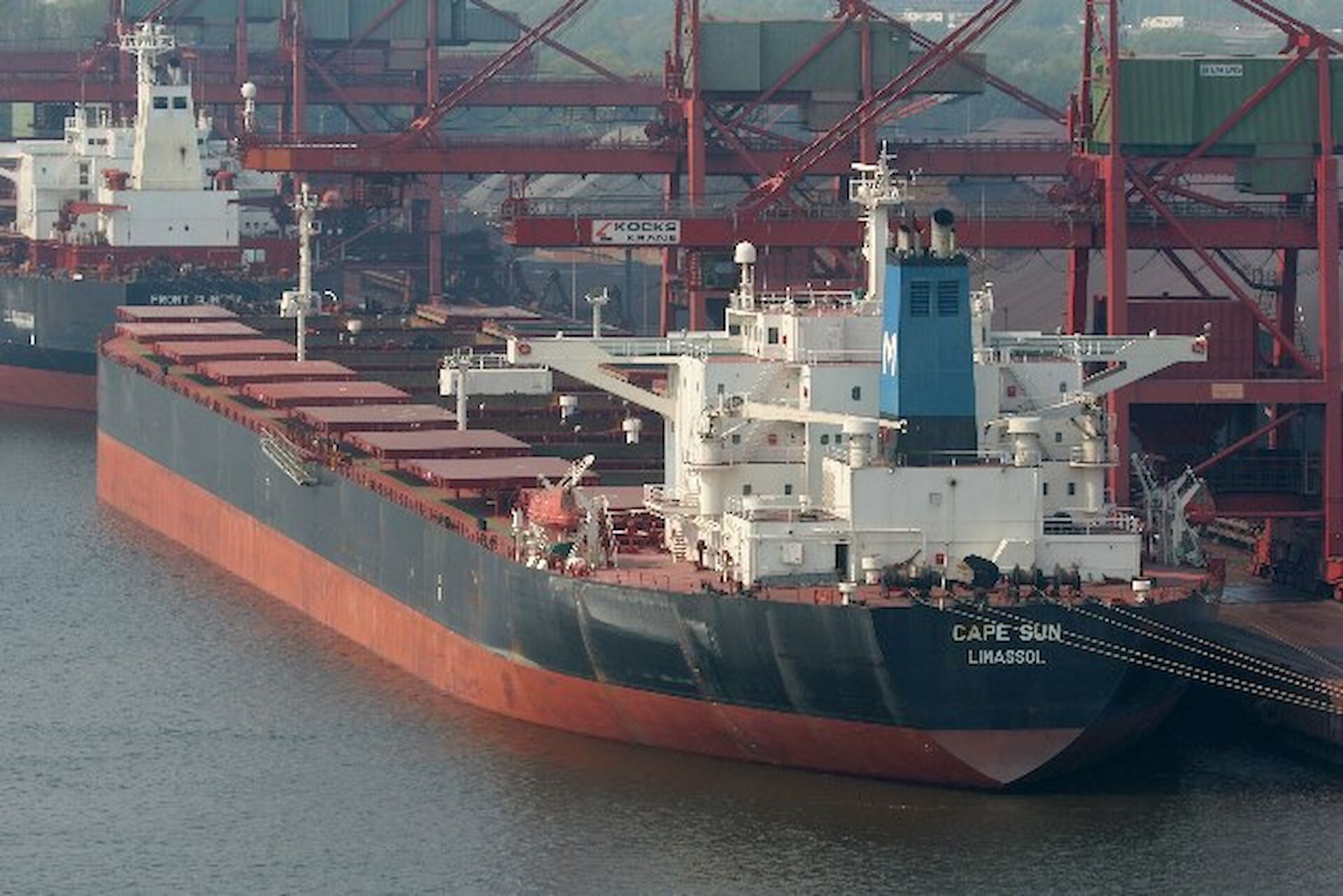
Guinea's Simandou project has delivered its first fully integrated iron ore shipment to China. The delivery involved over 200,000 tonnes of high-grade ore from SimFer, a joint venture between the Guinean government, Rio Tinto, and Chinese partners.
This shipment represents a complete, end-to-end supply chain from mine to port. Valued at $23 billion, this megaproject is expected to create thousands of jobs and generate billions in export revenue, positioning Guinea as a major global player in the iron ore market.
🇧🇫 Why Switzerland is doubling down on Burkina Faso with fresh $23m investment
Switzerland has pledged over $23 million to Burkina Faso for a new four-year cooperation program. This funding will target humanitarian, economic, and governance sectors, reaffirming a 50-year partnership despite the current political and security challenges in the Sahel region.
The investment aims to support local communities and strengthen institutional ties through regular bilateral consultations. Burkina Faso’s government welcomed the move as a sign of international solidarity, ensuring development support remains aligned with the country's shifting priorities through 2029.
🇲🇦 Africa eyes its own ‘Strait of Hormuz’ as €20 billion Spain–Morocco corridor gains traction amid global chokepoint risks
Morocco and Spain are advancing plans for a €20 billion subsea rail tunnel beneath the Strait of Gibraltar. This project aims to link Africa and Europe directly, providing a strategic trade alternative to vulnerable global routes like the Strait of Hormuz.
The 42-kilometer tunnel would allow passengers and freight to cross between the continents in just 30 minutes. By creating a logistics hub in North Africa, the corridor could drastically reduce transit times and strengthen Africa’s role in global supply chains by the late 2030s.
AI & Innovation

(Photo Credit: yourtango.com)
In the AI era, revenue-per-employee is the new Big Tech metric
Revenue-per-employee is returning as a key metric for tech companies to measure real growth. This scorecard forces firms to link hiring directly to business success, ensuring that every new role clearly contributes to making money and driving the company forward.
During the pandemic, many tech firms hired too many people, using headcount as a sign of momentum. Now, AI is accelerating a shift back to discipline. With AI coding tools boosting productivity, companies are questioning if they still need thousands of extra software engineers.
Tech companies are no longer competing on who has the most workers; they are competing on efficiency. As growth is redefined, this metric has become the new way to judge performance. It shows that being lean and productive is now more important than just being big.
Quote Of The Day
Efficiency is doing things right; effectiveness is doing the right things.
Listicles

(Photo Credit: Bloomberg)
Top 10 African countries with the lowest diesel prices in March 2026
A new report ranks African nations with the most affordable diesel this month. Libya leads the continent with the lowest prices, followed by Algeria and Egypt. For businesses, these fuel costs remain a critical factor in managing regional logistics and operational expenses.
| S/N | Country | Diesel Price (USD) |
|---|---|---|
| 1 | 🇱🇾 Libya |
|
| 2 | 🇩🇿 Algeria |
|
| 3 | 🇪🇬 Egypt |
|
| 4 | 🇦🇴 Angola |
|
| 5 | 🇸🇩 Sudan |
|
| 6 | 🇹🇳 Tunisia |
|
| 7 | 🇪🇹 Ethiopia |
|
| 8 | 🇬🇦 Gabon |
|
| 9 | 🇨🇩 DRC |
|
| 10 | 🇳🇪 Niger |
|
Source: Global Petrol Prices
Geopolitics & Power
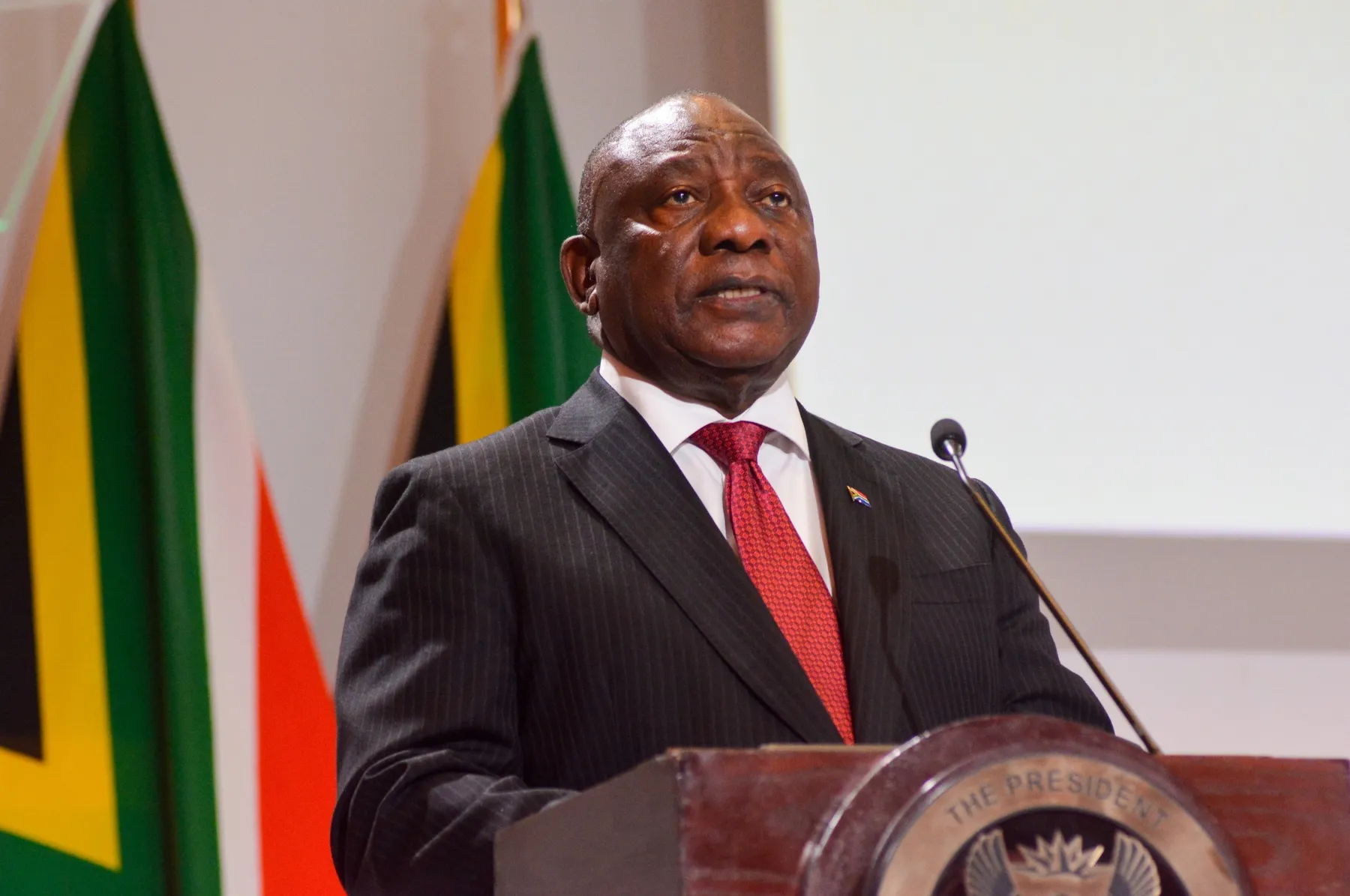
President Cyril Ramaphosa (Photo Credit: Waldo Swiegers/Bloomberg)
🇿🇦 South Africa poised for greatest economic revival as Ramaphosa targets $116 billion in global investment by 2031
President Cyril Ramaphosa has launched a massive plan to attract $116 billion in new global investment over the next five years. This goal builds on a previous drive that brought in over $80 billion for sectors like manufacturing, energy, and logistics.
The government is shifting its focus from simple promises to delivering actual results. By improving energy reliability and digital infrastructure, South Africa wants to prove it is ready to grow. The plan aims to turn the country into a major digital and industrial gateway for all of Africa.
This year’s investment conference is working directly with international partners to link money to specific projects with clear impacts. The focus is on new areas like green hydrogen and fintech, showing that the country is diversifying its economy to stay competitive globally.
Business Implication
This massive investment target creates big opportunities in renewable energy, tech, and manufacturing. Businesses should look for partnerships as the government pushes for structural reforms, making it easier and more attractive for global firms to set up and expand in the region.
Global Trends, African Impact

(Photo Credit: Facebook/Embassy of Sweden in Lusaka)
🇿🇲 Zambia and Sweden institutionalise strategic dialogue to boost trade, climate action, and others
Zambia and Sweden have signed a new agreement to hold regular high-level talks on trade, investment, and climate change. This strategic dialogue moves their relationship beyond traditional aid and toward a formal partnership focused on shared economic goals.
The partnership aims to strengthen bilateral cooperation and create a more predictable environment for commercial exchange. By formalizing these talks, both nations hope to boost private sector engagement and drive sustainable development through a structured diplomatic framework.
Both countries also agreed to cooperate on global issues, including peace, security, and the green energy transition. This formalized connection ensures Zambia has a steady partner for its climate goals while opening new doors for local businesses to reach international markets.
Executive Trivia
(Photo Credit: logomak)
Did You Know?
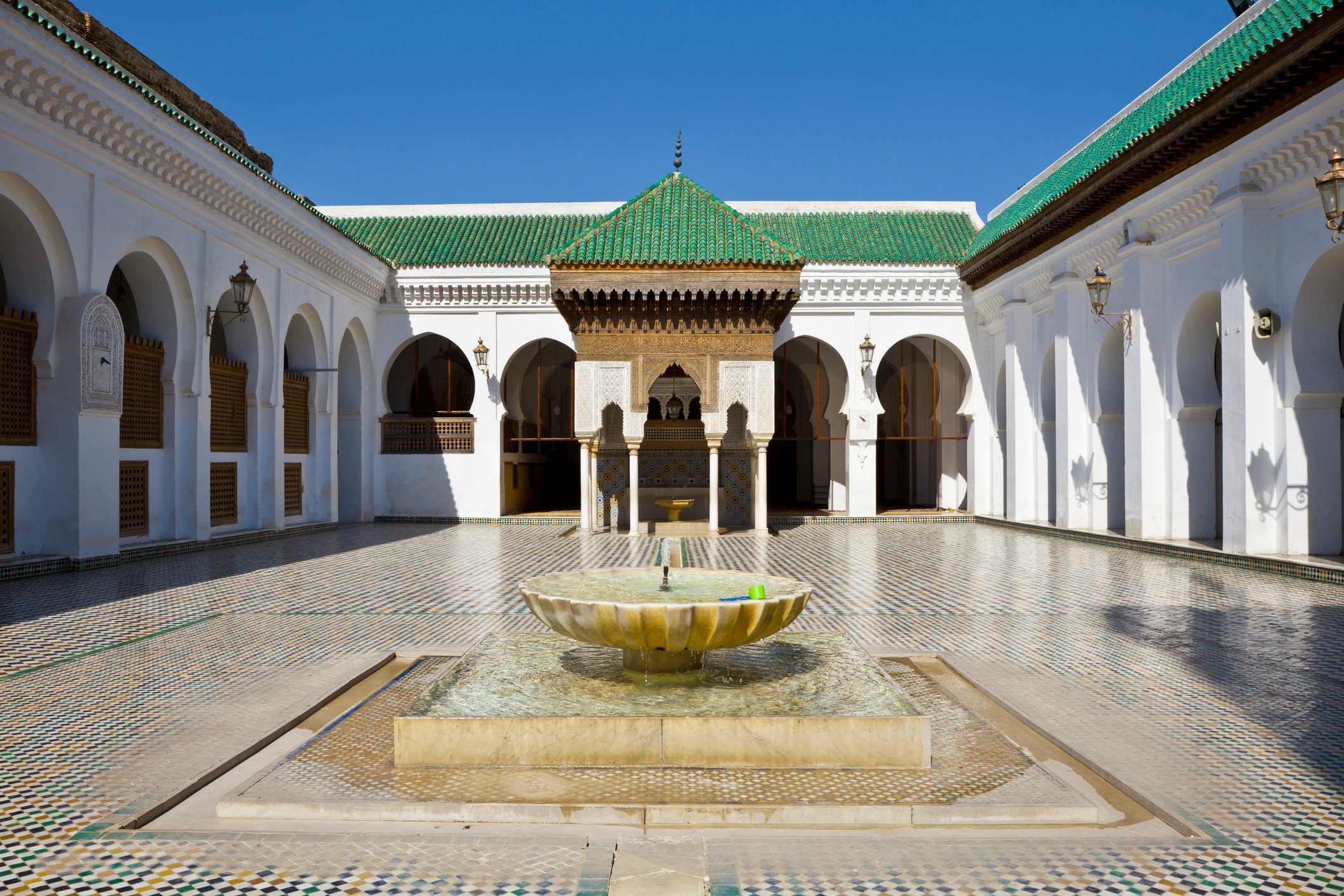
(Photo Credit: iStock Photos)
The world’s oldest continually operating university is not in Europe, Asia or even America. The University of Al-Karaouine in Morocco was founded in 859 AD and is recognized by UNESCO as the oldest continuously operating university in the world.
Know someone who'd enjoy this briefing?