Business Brief
By Business Insider Africa
From the Editor
Yesterday, we discussed the race to own the entire processing chain, from raw materials to finished chemicals. Today, Aliko Dangote is taking the ultimate step toward that independence by moving upstream. By pumping his first drops of crude oil in the Niger Delta, he isn't just securing feedstock for his refinery; he is attempting to insulate his $20 billion investment from the domestic supply disputes and pricing rows that have slowed operations for months.
But as industrial giants secure their futures, the local market is feeling a different kind of squeeze. In Lagos, the cost of a single cow has surged past $1,600; a price point that, as local butchers point out, is now higher than the cost of some used vehicles. It’s a startling illustration of how insecurity and skyrocketing transport costs are breaking the traditional supply chains that feed Africa’s largest cities, making basic protein a luxury asset.
This search for stability—whether in energy, food, or digital connectivity—is the defining trend of 2026. We see it in the $16.1 billion in "mega-deals" pouring into African infrastructure as investors stop making small bets and start funding the continent's foundations. We also see it in the geopolitical theater, where three African nations just blocked Taiwan’s President from their airspace. In a world of tightening margins and shifting loyalties, owning the ground, the oil, and the routes has never been more critical.
 | Victor Inusa, Newsletter Editor. |
✨ Today’s Must Read
Dangote edges closer to energy independence with its first crude production
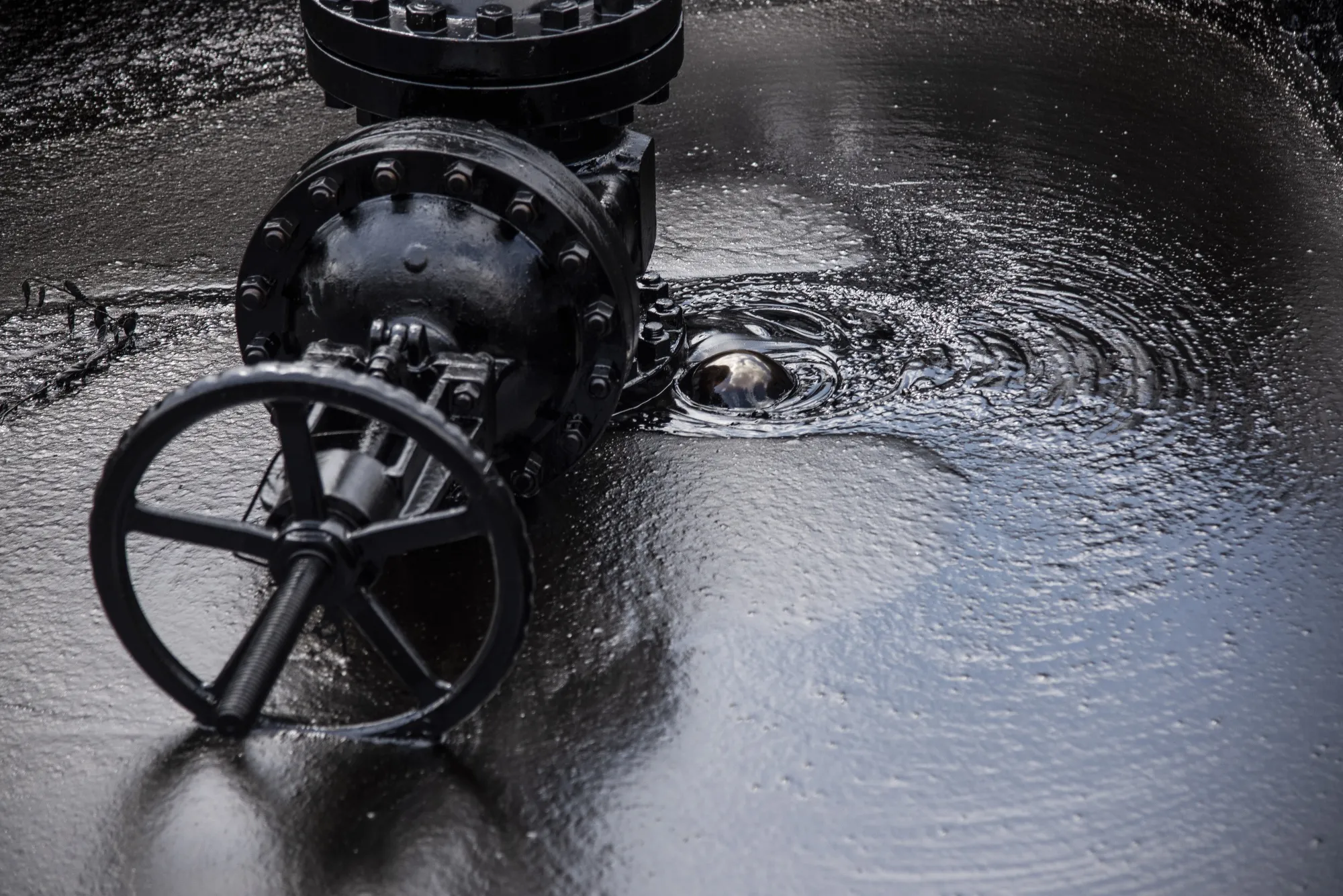
(Photo Credit: Bloomberg)
The Dangote Group has started producing its own crude oil from the Kalaekule field in the Niger Delta. Current output stands at 4,500 barrels per day, but the company expects this to reach 15,000 barrels within the next month as drilling operations continue to ramp up.
Dangote owns 85% of the upstream joint venture, which revived oil blocks that had been in decline since the late 1990s. The move into exploration follows years of supply disputes with the national oil corporation, which often left the refinery operating below full capacity.
Full-scale production is planned for the coming weeks, with some reports suggesting output could eventually hit 40,000 barrels per day. The refinery recently received its largest delivery of ten cargoes in March, but owning its own supply remains a top priority for the firm.
Why This Matters
Producing its own crude allows Dangote to bypass domestic supply shortages and pricing disputes that have plagued the refinery. By securing its own feedstock, the company moves closer to full energy independence, ensuring it can provide a steady supply of fuel for the region.
The Big 3
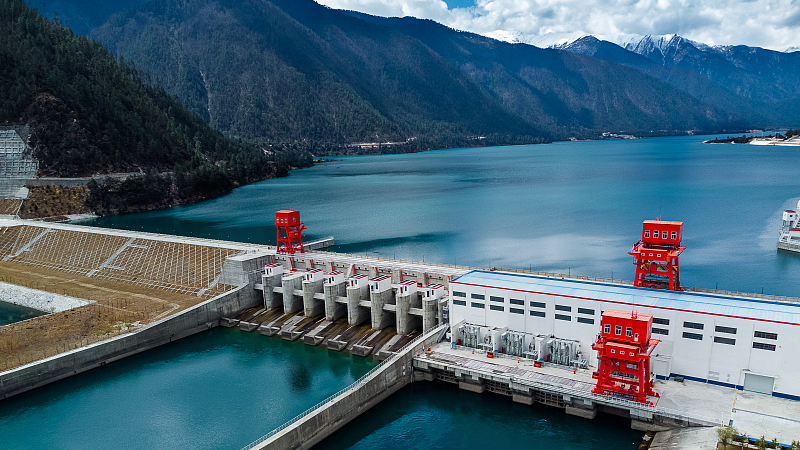
Aerial view of an hydropower station. (Photo Credit: Stock Photo/Getty Images)
🇷🇺 Russia’s state-owned nuclear giants eye Congo with new power projects
Russia’s state nuclear giant Rosatom is planning to build two small modular hydropower plants in the Republic of the Congo. With a combined capacity of 2.6 megawatts, these facilities are designed to bring reliable electricity to rural areas that are currently off the national grid.
The modular "container-type" design allows for faster deployment and lower costs compared to traditional plants. This initiative follows several 2024 deals, including a major oil pipeline project and increased military cooperation, marking Russia's growing presence in the country.
🌍 Africa pulls in $16 billion in early 2026 as investors make fewer, bigger bets on infrastructure
Africa’s private capital market hit $16.1 billion in the first quarter of 2026, driven by a shift toward fewer but much larger investments. While the total value surged, the number of deals actually dropped to 172, signaling that investors are prioritizing high-impact infrastructure.
Nigeria dominated the quarter with two massive "mega-deals": the $6.2 billion MTN–IHS transaction and $4 billion for the Dangote Refinery. These alone made up two-thirds of the total value, highlighting a strong global focus on critical energy and telecommunications assets.
🇳🇬 Nigerian meat traders face uncertainty as cattle cost more than cars
Cattle prices in Lagos have surged to as high as $1,613 per cow, making some livestock more expensive than used cars. The Lagos State Butchers Association reports that prices have jumped nearly 50% since 2025, leaving many meat retailers and consumers in a state of financial strain.
Traders blame the spike on insecurity along northern supply routes and skyrocketing fuel costs for transportation. To stabilize the market, stakeholders are calling for the urgent launch of local ranching and feedlot projects to reduce dependence on long-distance supply chains.
AI & Innovation
(Photo Credit: Getty Images)
Hot startup Lovable's security stumble shows one big risk in using AI to code
Swedish AI-coding startup Lovable faced backlash after a security flaw allowed unauthorized access to users' code and chat histories. An X user reported that projects created before November 2025 were affected, exposing data from employees at firms like Microsoft and Spotify.
Lovable initially denied a breach, stating that viewing public projects was a deliberate design choice. However, they later admitted to an error where backend updates accidentally re-enabled access to private chats on public projects, which they have since reverted.
Cybersecurity experts warn that this incident highlights the dangers of "vibe coding" and weak default security settings. As AI tools lower friction for new users, they often fail to bake in security from day one, making it easier for sensitive data to be exposed or scraped.
Quote Of The Day
You cannot carry out fundamental change without a certain amount of madness.
Listicles
(Photo Credit: Bozergas)
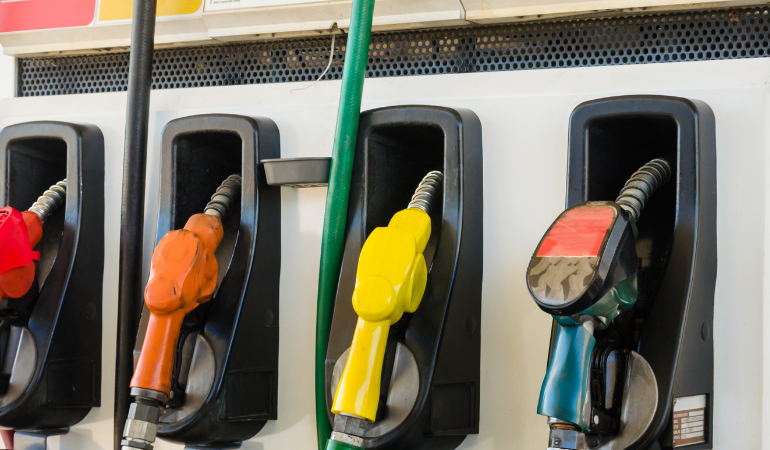
10 African countries with the highest diesel prices in April 2026
Diesel is the lifeblood of African industry, powering the trucks, heavy machinery, and backup generators that keep economies moving. As global prices jump to $1.60 per liter, these rising costs threaten to spike inflation and increase the price of everyday goods for millions.
| S/N | Country | Diesel Price (USD per Liter) |
|---|---|---|
| 1 | 🇲🇼 Malawi |
|
| 2 | 🇨🇫 CAR |
|
| 3 | 🇿🇼 Zimbabwe |
|
| 4 | 🇸🇱 Sierra Leone |
|
| 5 | 🇱🇸 Lesotho |
|
| 6 | 🇱🇷 Liberia |
|
| 7 | 🇿🇦 South Africa |
|
| 8 | 🇧🇼 Botswana |
|
| 9 | 🇲🇱 Mali |
|
| 10 | 🇿🇲 Zambia |
|
Source: Global Firepower
Geopolitics & Power

(Photo Credit: AP Photo/picture alliance)
🇹🇼 3 African nations revoke airspace access, forcing Taiwan president to cancel Africa trip
Taiwan’s President Lai Ching-te canceled his visit to Eswatini after Seychelles, Mauritius, and Madagascar suddenly revoked permissions for his plane to use their airspace. Taipei says the move was caused by intense pressure and economic threats from the Chinese government.
The trip was meant to celebrate the 40th anniversary of King Mswati III’s throne accession. Eswatini is Taiwan’s only remaining diplomatic ally in Africa, making the visit a major target for Beijing, which has successfully reduced Taiwan’s global allies to just 12 countries.
The three nations cited their "One China" policy as the reason for the denial, refusing to recognize Taiwan as a sovereign state. Taiwanese officials claim Beijing used its influence over economic ties and debt relief to force these countries to block the presidential flight.
Business Implication
This event shows how China’s economic leverage can ground diplomatic missions and reshape regional travel. For businesses, it highlights the risks of navigating a landscape where geopolitical loyalty to a major trade partner can suddenly disrupt high-level international ties.
Global Trends, African Impact
.jpg)
(Photo Credit: Dangote Group)
🌍 Africa pulls in $16 billion in early 2026 as investors make fewer, bigger bets on infrastructure
Africa’s private capital market reached $16.1 billion in the first quarter of 2026. While the total value surged, the number of deals actually dropped to 172. This shows that investors are moving away from many small bets and focusing on fewer, much larger strategic projects.
Two massive deals in Nigeria drove most of this value: the $6.2 billion MTN–IHS deal and the $4 billion Dangote Refinery financing. These "mega deals" highlight a strong appetite for infrastructure in energy and telecom, which are seen as essential for long-term economic growth.
Outside of these giant projects, mid-sized deals are recovering, particularly in Egypt’s real estate sector. Financial services and fintech still lead in deal volume, while newer areas like electric mobility in East Africa and AI startups are starting to attract more capital.
Executive Trivia

(AI Generated Illustration)
Which large lake, shared by Uganda, Kenya, and Tanzania, is the largest tropical lake in the world?
Did You Know?
(Photo Credit: operationworld.com)
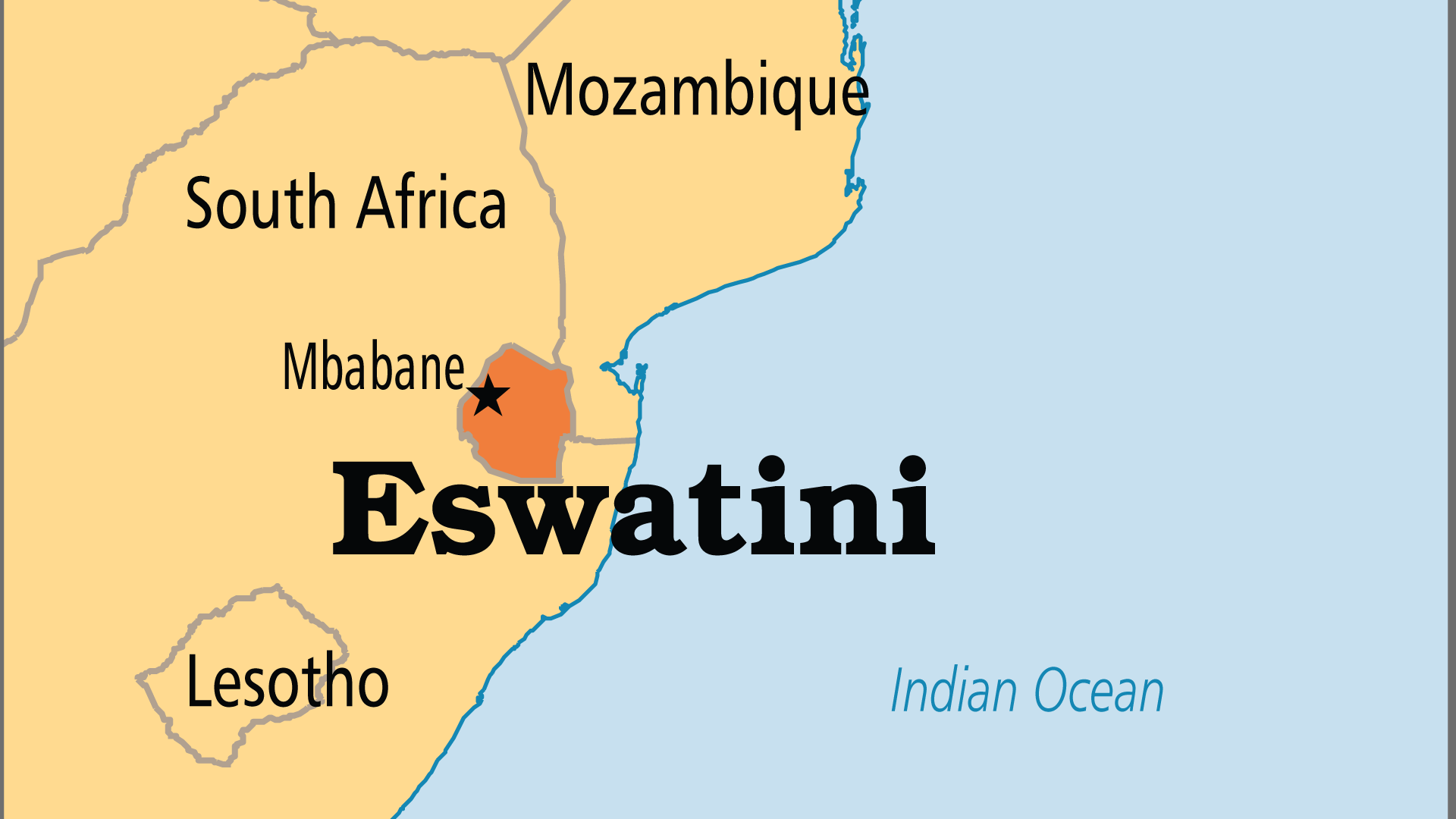
In 2018, King Mswati III officially changed his country's name from Swaziland to Eswatini. One of the main reasons? He was tired of people confusing the nation with Switzerland on the international stage. The new name, eSwatini, means "land of the Swazis" in the local language.
Know someone who'd enjoy this briefing?