In partnership with

Business Brief
By Business Insider Africa
Own AI deployment, grow your career

Making AI actually work day to day is becoming its own job.
On July 16, hear from three people doing it: Simone Santiago Broad (Yoco), Yelva Espinoza (Zumba Fitness), and Fin's Dave Lynch. They'll share what the role really looks like, how it came to exist, the skills worth hiring for, and the challenges they're tackling right now. Bring your questions, since the best moments happen live.
Register to save your spot.
From the Editor
For decades, one challenge has held back Africa's industrial ambitions: reliable power.
Building factories is one thing, but keeping them running consistently has often been the bigger test. That's why Niger State in Nigeria's latest agreement stands out, combining steel manufacturing with large-scale solar power as part of a broader industrial push.
If the model succeeds, it could shape how future manufacturing projects are developed in Nigeria and across the continent.
 | Victor Inusa, Newsletter Editor. |
✨ Today’s Must Read
Indian billionaire Raj Gupta secures 500 hectares to build what could become sub-Saharan Africa's largest solar steel plant in Nigeria

(Photo Credit: Linkedin/Africa Industries Group)
Abuja Steel Mills, a subsidiary of African Industries Group, has received 500 hectares of land in Niger State to build a large steel manufacturing complex, a dedicated solar power plant and a new industrial park.
The project is designed to reduce reliance on Nigeria's unreliable electricity grid by using renewable energy to power steel production.
State and federal officials say the investment supports plans to expand local manufacturing, reduce steel imports and strengthen Nigeria's industrial growth through cleaner and more reliable energy. Read more…

The Big 3
(Photo Credit: Getty Images)
🇬🇭 Ghana says xenophobia made it reject South Africa's president's visit; Pretoria disagrees
Ghana has postponed President Cyril Ramaphosa's planned August visit after anti-immigrant protests in South Africa heightened tensions between both countries. The decision follows the repatriation of more than 900 Ghanaians and concerns the visit could trigger protests.
While Ghana cited the current climate around xenophobia, South Africa said both countries remain committed to diplomatic engagement and will agree on a new date through official channels. Read more…
🇺🇬 Fresh gold discovery in an East African country triggers government crackdown on illegal mining in a gold-rich community
Uganda has suspended gold mining in Kayungwe after a two-month gold rush led to illegal mining, environmental damage and health concerns. Authorities said miners were operating without licences and ordered activities to stop while they organise into cooperatives and begin the licensing process.
The government says artisanal mining is welcome, but it must be carried out legally and under safer conditions. Read more…
🇸🇩 Gold wealth and over $9.5 billion from Saudi Arabia, Qatar and the UAE fail to bring economic recovery to Africa's war-torn country
Sudan continues to attract billions of dollars in aid, investment and mining deals from Saudi Arabia, the UAE and Qatar, but the country's economy remains under pressure from war, inflation and displacement.
Gold trade has shifted partly from the UAE to Saudi Arabia, while Gulf countries continue expanding their influence through humanitarian support, mining projects and strategic investments, even as living conditions for most Sudanese remain difficult. Read more…
Quote Of The Day
The internal resilience of a team matters far more than the volatility of the market.
Listicles
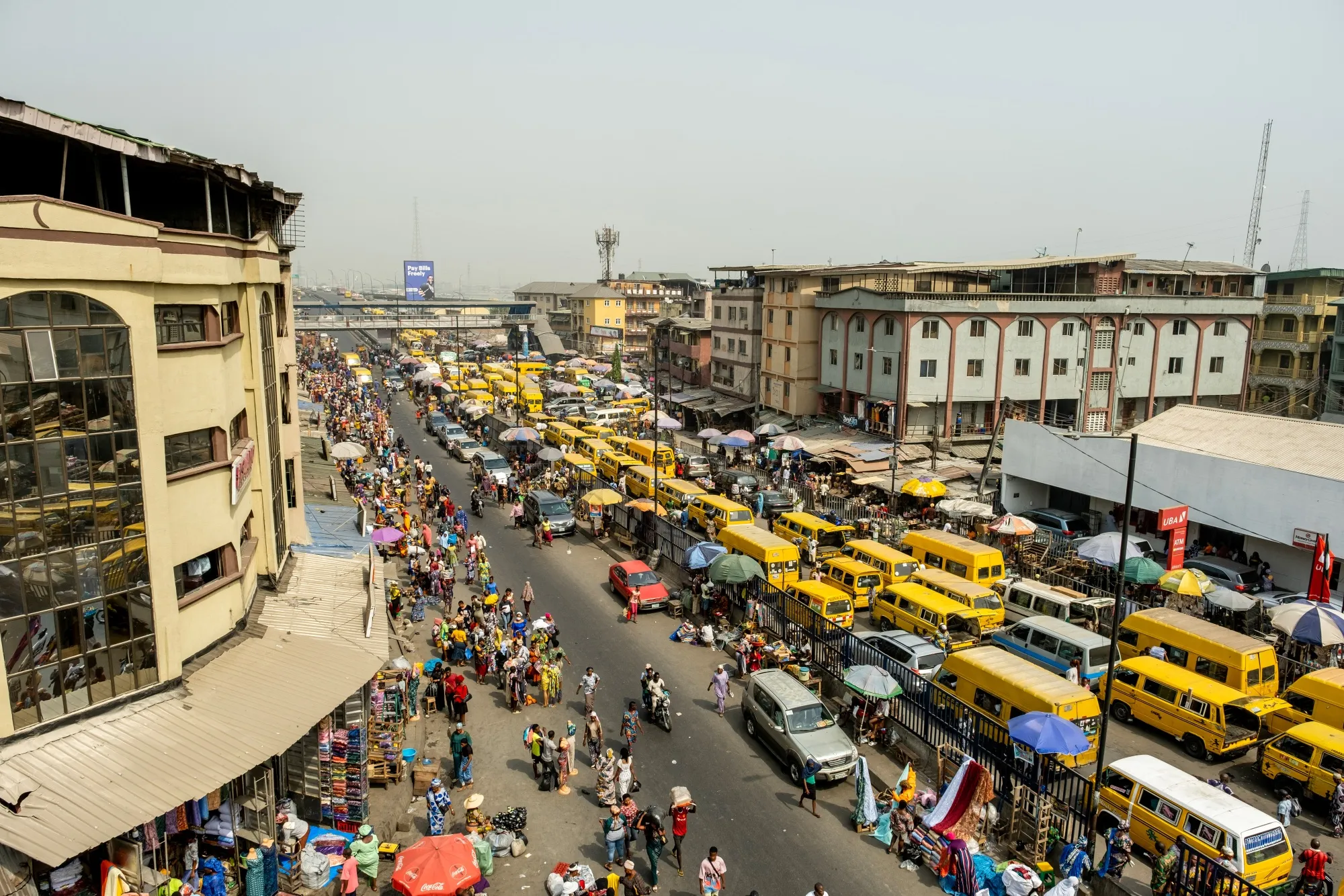
(Photo Credit: Bloomberg)
Four African cities land in the bottom 10 of the global liveability rankings for 2026
The 2026 EIU Global Liveability Index placed Harare, Lagos, Algiers, and Tripoli among the world's 10 lowest-ranked cities. Evaluating 173 cities across stability, healthcare, culture, education, and infrastructure, the report cited conflict and public underinvestment as key factors.
| S/N | City & Country | EIU Liveability Ranking Summary (Score out of 100) |
|---|---|---|
| 1 | 🇿🇼 Harare Zimbabwe |
Global Rank: 165th | Overall Score: 45 Struggles heavily with a low healthcare score of 33, though it managed a relatively strong education rating of 67. |
| 2 | 🇳🇬 Lagos Nigeria |
Global Rank: 168th | Overall Score: 44 Grapples with a critical stability score of 30 and weak healthcare (38), despite holding a stronger infrastructure baseline score of 54. |
| 3 | 🇩🇿 Algiers Algeria |
Global Rank: 169th | Overall Score: 43 Presents a mixed picture; features a comparatively better healthcare score of 54, but is heavily dragged down by a weak infrastructure ranking of 30. |
| 4 | 🇱🇾 Tripoli Libya |
Global Rank: 172nd | Overall Score: 41 Africa's lowest-rated city. Reflects the severe, long-term impact of years of active institutional conflict and ongoing political instability. |
Source: EIU Global Liveability Index
Geopolitics & Power

(Photo Credit: Getty Images)
🇷🇺 Africa's 3-country UN Security Council members at the center of Russia's new security diplomacy push
Russia is seeking closer coordination with the Democratic Republic of the Congo, Liberia, and Somalia, the three elected African members of the UN Security Council (A3).
This diplomatic push follows high-level talks in Addis Ababa. It aims to align UN initiatives with Russia’s expanding military footprint and security partnerships across regions like the Sahel. Read more…
Global Trends, African Impact
(Photo Credit: Eureka)
🇿🇼 Zimbabwe's top critical mineral could be in focus as the US commits $300 million to detach from China
The United States Department of Defense has launched a $300 million contract to build a strategic stockpile by purchasing 16,000 tonnes of battery-grade lithium carbonate over five years.
This drive to lessen reliance on China's processing business opens up major opportunities for Zimbabwe, Africa's top lithium producer, which aims to expand output and increase its local processing capacity. Read more…
Executive Trivia

(Photo Credit: Linkedin/Drone Kumar Singh)
Did You Know?

(Photo Credit: Wikipedia)
The Tunisian dinar (TND) is the strongest currency in Africa by nominal value against the US dollar. Its relative strength does not come from oil wealth, but from a tightly managed exchange rate regime overseen by the Central Bank of Tunisia.
Strict foreign exchange and capital controls prevent local citizens from freely converting the dinar or moving massive capital offshore, keeping the currency protected from global market speculation.
Know someone who'd enjoy this briefing?