Business Brief
By Business Insider Africa
From the Editor
Across Africa, governments are increasingly looking for ways to capture more value from the resources they produce.
For years, many countries have exported raw materials while processing, manufacturing and much of the economic benefit happened elsewhere.
That is beginning to change. From minerals to agriculture, policymakers are exploring how more of the value chain can remain within their borders. The goal is not simply to increase exports, but to create jobs, build local industries and strengthen economic resilience.
Today's Must Read looks at the latest example of this shift and what it could mean going forward.
 | Victor Inusa, Newsletter Editor. |
✨ Today’s Must Read
Another African country has banned the export of one of its most precious resources
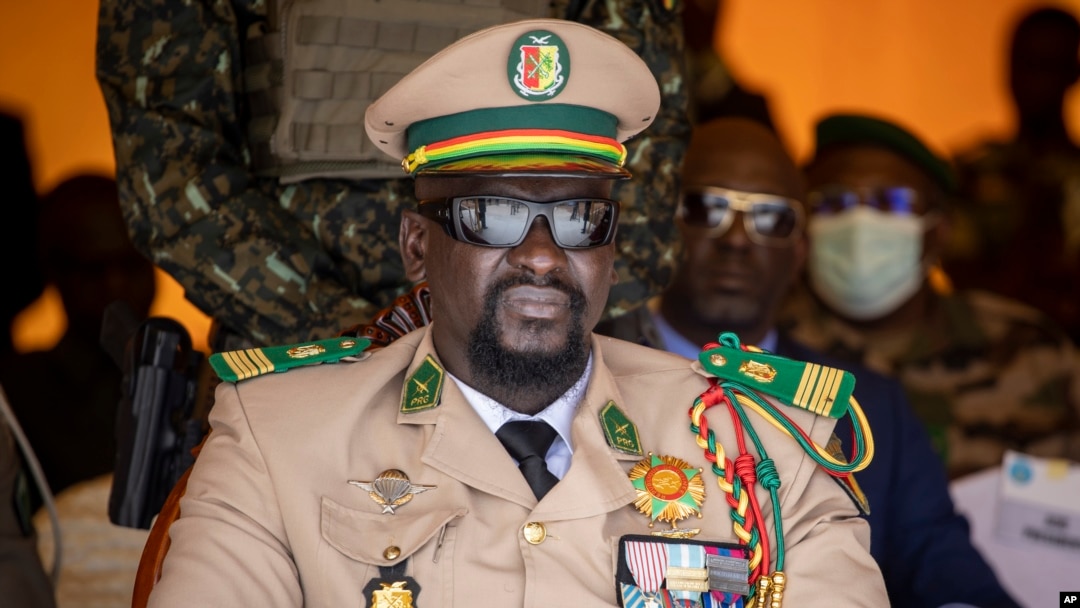
General Mamady Doumbouya. The military leader and President of Guinea. (Photo Credit: VOA)
Guinea has moved to stop the export of unrefined gold as part of efforts to increase local processing and retain more value from its mineral resources.
President Mamady Doumbouya said all gold must now be refined, certified and processed into ingots within Guinea before it can be sold abroad.
Authorities say the move will end the practice of exporting raw gold for processing elsewhere.
Operators who continue exporting unrefined gold risk having their licences suspended and mining contracts terminated. Read more…

The Big 3

L-R President Donald Trump and President Cyril Ramaphosa. (Photo Credit: REUTERS)
🇿🇦 US to withdraw $400 million HIV funding from South Africa, home to over 8 million people living with the virus
The Trump administration plans to gradually end PEPFAR funding in South Africa, removing support worth about $400 million a year. The decision comes amid worsening relations between Washington and Pretoria.
While HIV treatment is largely funded domestically, experts warn the move could strain prevention programmes, community outreach, healthcare workers and support systems serving more than 8 million people living with HIV. Read more…
🌍 G7’s $64 billion critical minerals push opens new opportunities for Africa as rare earth processing plant takes shape in West Africa
The G7 has launched a new critical minerals alliance to strengthen processing and supply chains for resources such as rare earths, lithium and nickel.
The move could create new opportunities for African producers as countries including Kenya, Nigeria and the DRC push to process more minerals locally. Access to financing, however, remains a key challenge for turning those ambitions into large-scale industrial growth. Read more…
🇰🇪 Kenya revives $1.2 billion Nairobi airport expansion after Adani fallout as East Africa’s aviation race heats up
Kenya has appointed African financial institutions to arrange funding for a $1.2 billion upgrade of Nairobi’s main airport after abandoning the earlier Adani-linked proposal.
The project will expand annual passenger capacity from 7.5 million to more than 22 million. Officials say it will support tourism, trade and business travel as regional competition from Ethiopia and Rwanda intensifies. Read more…
Quote Of The Day
Before you are a leader, success is all about growing yourself. When you become a leader, success is all about growing others.
Listicles
(Photo Credit: IMF)
Top 10 African countries with the lowest debt to the IMF in June 2026
Countries with low IMF debt often have more flexibility to manage their economies and respond to financial shocks. They face less pressure to implement externally driven reforms and can retain greater control over spending priorities. Here are the African countries with the lowest IMF debt in June 2026.
| S/N | Country | Total IMF Credit Outstanding (SDR) |
|---|---|---|
| 1 | 🇱🇸 Lesotho |
|
| 2 | 🇬🇶 Equatorial Guinea |
|
| 3 | 🇩🇯 Djibouti |
|
| 4 | 🇰🇲 Comoros |
|
| 5 | 🇸🇹 São Tomé & Príncipe |
|
| 6 | 🇬🇼 Guinea-Bissau |
|
| 7 | 🇨🇻 Cabo Verde |
|
| 8 | 🇧🇮 Burundi |
|
| 9 | 🇸🇴 Somalia |
|
| 10 | 🇸🇨 Seychelles |
|
Source: IMF
Geopolitics & Power
(Photo Credit: REUTERS)
🇧🇼 Southern African country secures $100 million for first utility-scale solar plant as it eyes regional power market
Botswana will begin building its first utility-scale solar plant after securing $100 million in financing for the 100-megawatt Tati Solar Project. The plant is expected to start operating in 2027 and will sell electricity through the Southern African Power Pool.
The project supports Botswana’s efforts to reduce reliance on imports, ease pressure on its power system and position itself as a regional electricity supplier. Read more…
Global Trends, African Impact
(Photo Credit: Getty Images)
🇳🇦 Namibia hands Starlink another setback as ownership rules stall Elon Musk’s African expansion plans
Namibia has rejected Starlink’s attempt to overturn the denial of its operating licences, saying the company still does not meet local ownership requirements. The decision mirrors challenges the company faces in neighbouring South Africa.
While Starlink has expanded rapidly across several African markets, ownership rules remain a major hurdle in parts of Southern Africa. Read more…
Executive Trivia
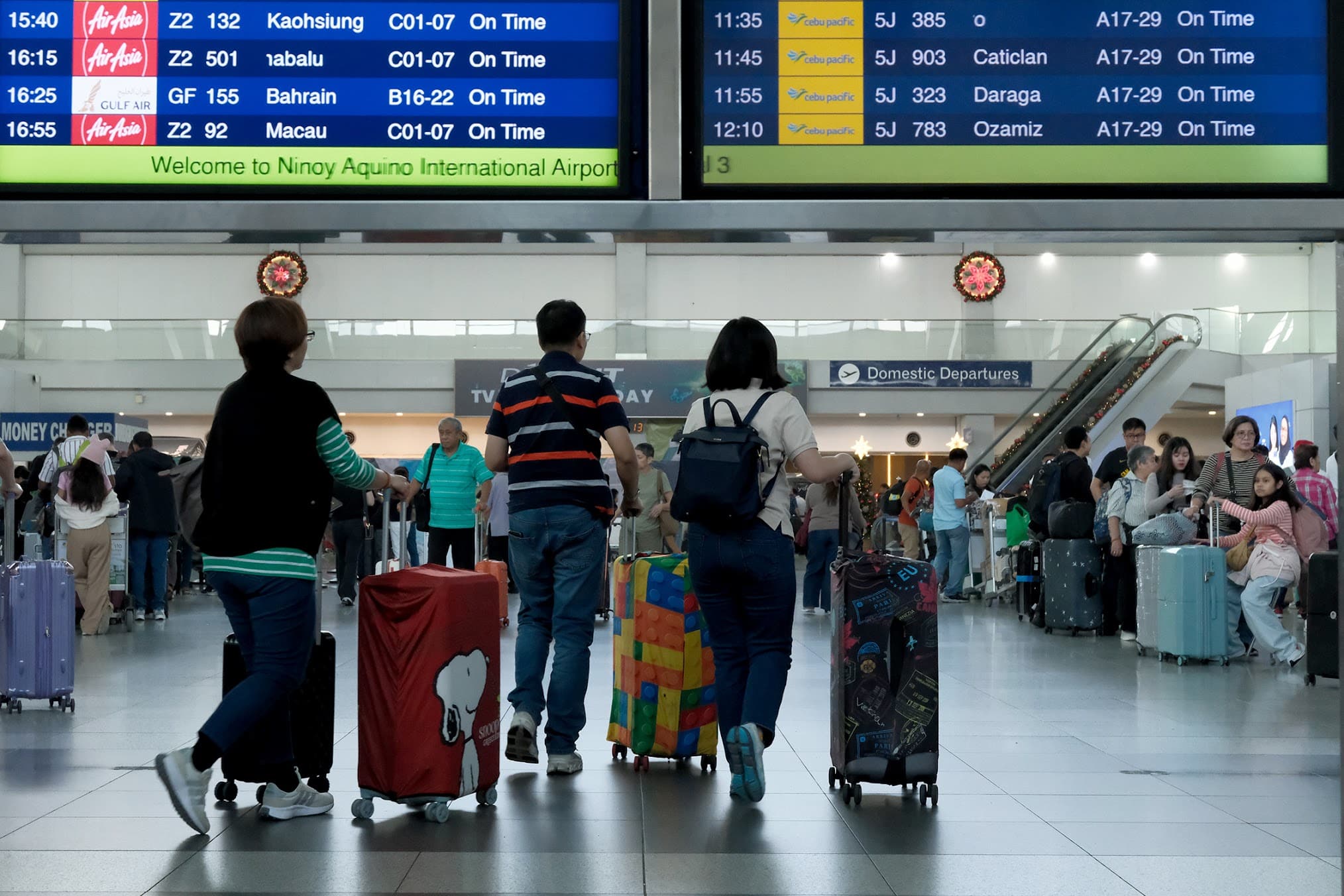
(Photo Credit: NBC)
Which African city has the busiest airport by passenger traffic?
Did You Know?
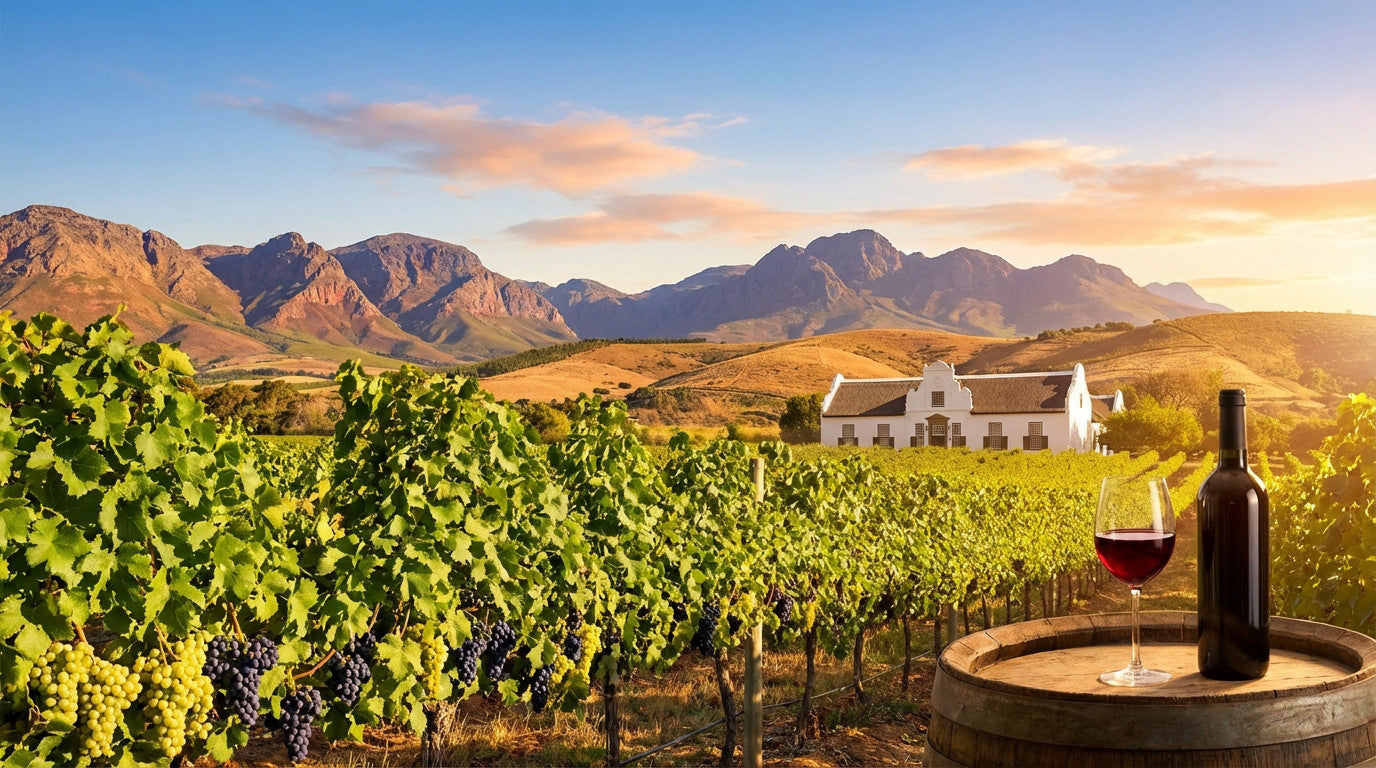
(Photo Credit: altcellars.com)
South Africa is the largest exporter of wine on the African continent and ranks among the top ten wine exporters globally. Over 95% of its wine is produced in the unique Cape Floral Kingdom, an area surrounded by two oceans that create ideal microclimates for vineyards.
The country exports hundreds of millions of liters of wine annually, with traditional global markets like the United Kingdom and Germany topping its list of international destinations.
Know someone who'd enjoy this briefing?