Business Brief
By Business Insider Africa
From the Editor
Last week, we talked about how countries like Tanzania and Zambia are tightening their grip on raw minerals to stop foreign firms from "hoarding" assets. Today, we are seeing that the goal is no longer just to own the ground, but to own the factory too. This shift from selling raw materials to selling finished products is the real secret behind the big numbers we are seeing this morning.
Ghana is the best example of this right now, hitting a huge $3.28 billion export milestone. By processing their own cocoa instead of just shipping the beans away, they have turned a basic crop into a massive industrial win. It is the same kind of "self-reliance" we saw with Nigeria’s recent fuel breakthrough; moving from being a buyer of global products to a major supplier.
However, this push for control is also leading to bigger state takeovers. Following the gold industry shake-up we’ve been tracking, Burkina Faso has now fully nationalized its biggest cotton company to fix falling production. While this helps the government secure revenue, it also makes things more complex for foreign partners, as we see with miners suspending trade over new government demands.
Whether it is Angola’s smart debt-for-education swap or Petrobras’ return to the Gulf of Guinea, the "ownership" story we started last week is picking up speed. From the farm to the data center, the continent is racing to control the entire process of its growth. Africa isn't just holding the resources anymore; it's finally running the business.
 | Victor Inusa, Newsletter Editor. |
✨ Today’s Must Read
Ghana records over $3 billion in exports as cocoa processing drives industrial shift
(Photo Credit: Getty Images)
Ghana’s non-traditional exports surged to $2.42 billion in 2025, a 53% increase from the previous year. This growth was driven by a major shift toward processed goods, which now account for over 83% of export earnings as the nation moves away from raw commodity dependence.
Cocoa processing led this industrial transformation, with cocoa paste alone generating $789.3 million. Secondary products like cocoa butter and powder saw triple-digit growth, reflecting deep investments in domestic capacity to meet high demand from Europe and global markets.
Beyond cocoa, the export base strengthened through agricultural diversification in cashews and shea products, alongside plastic and aluminum manufacturing. While iron and steel saw slight declines due to market volatility, intra-African trade now makes up 30% of the country’s non-traditional export earnings.
Why This Matters
This record performance signals Ghana’s successful transition into a regional manufacturing hub. By processing its own resources, the country is capturing more value, increasing its competitiveness under the AfCFTA framework, and building a more resilient, industrial economy.
The Big 3

(Photo Credit: X/Asif Hussain)
🇧🇫 Burkina Faso set to take over $607m state cotton firm after gold industry shake-up
Burkina Faso is fully nationalising Sofitex, the country’s dominant cotton company, by buying out all private shareholders. This $607 million move shifts the firm to sole state ownership, following a period of rising debt, declining production, and operational inefficiencies.
The takeover mirrors a broader strategy of state control already seen in the gold sector. By consolidating both agriculture and mining, the government aims to increase public revenue and secure a larger share of returns from the country's most critical economic industries.
🇦🇴 Africa’s third-largest oil producer nears $400 million debt-for-education swap
Angola plans to finalize a $400 million debt-for-education swap by June to ease its debt burden. Backed by World Bank guarantees, the deal allows Africa’s third-largest oil producer to refinance expensive commercial debt and redirect the savings into education projects.
The initiative is part of a broader strategy to manage rising borrowing costs and improve fiscal resilience. While the 2026 budget currently assumes a deficit, stronger oil prices could significantly improve the outlook, potentially bringing the country's budget into a surplus.
🇧🇷 Multi-millionaire Arthur Eze's Oranto sells 75% stake in São Tomé Block 3 to Brazil's Petrobras
Brazil’s state-owned Petrobras is acquiring a 75% operating stake in Block 3 offshore São Tomé and Príncipe from Arthur Eze’s Oranto Petroleum. This acquisition is part of Petrobras’ 2026–2030 strategy to replenish reserves by exploring regions geologically similar to Brazil.
The deal allows Petrobras to lead operations while Oranto retains a 15% interest. This shift follows challenges for Oranto in other regions like Senegal and Equatorial Guinea, where it faced license revocations and funding disputes over its capital-intensive exploration projects.
AI & Innovation
A line of robotaxis and aspiring self-driving cars were parked outside Ride (Photo Credit: AI.Lloyd Lee/BI)
Welcome to the 'unsexy' side of robotaxis
The Ride AI conference in San Francisco reveals a major shift in the autonomous vehicle industry. The focus has moved from flashy technology hype to the "unsexy" realities of business operations and infrastructure. Leaders say it is finally time to bring these services to market.
Industry maturity has replaced the overpromised timelines of the past. After years of safety setbacks and technical hurdles, companies are now prioritizing economic scaling. Experts note that many smart engineers previously ignored the actual market needs of the end users.
The sector is moving toward partnerships rather than companies trying to handle every part of the ecosystem alone. Uber and Wayve are among those opting for collaboration to find commercial success. While not yet profitable, the industry has narrowed down to only the most serious players.
Quote Of The Day
It always seems impossible until it's done.
Listicles
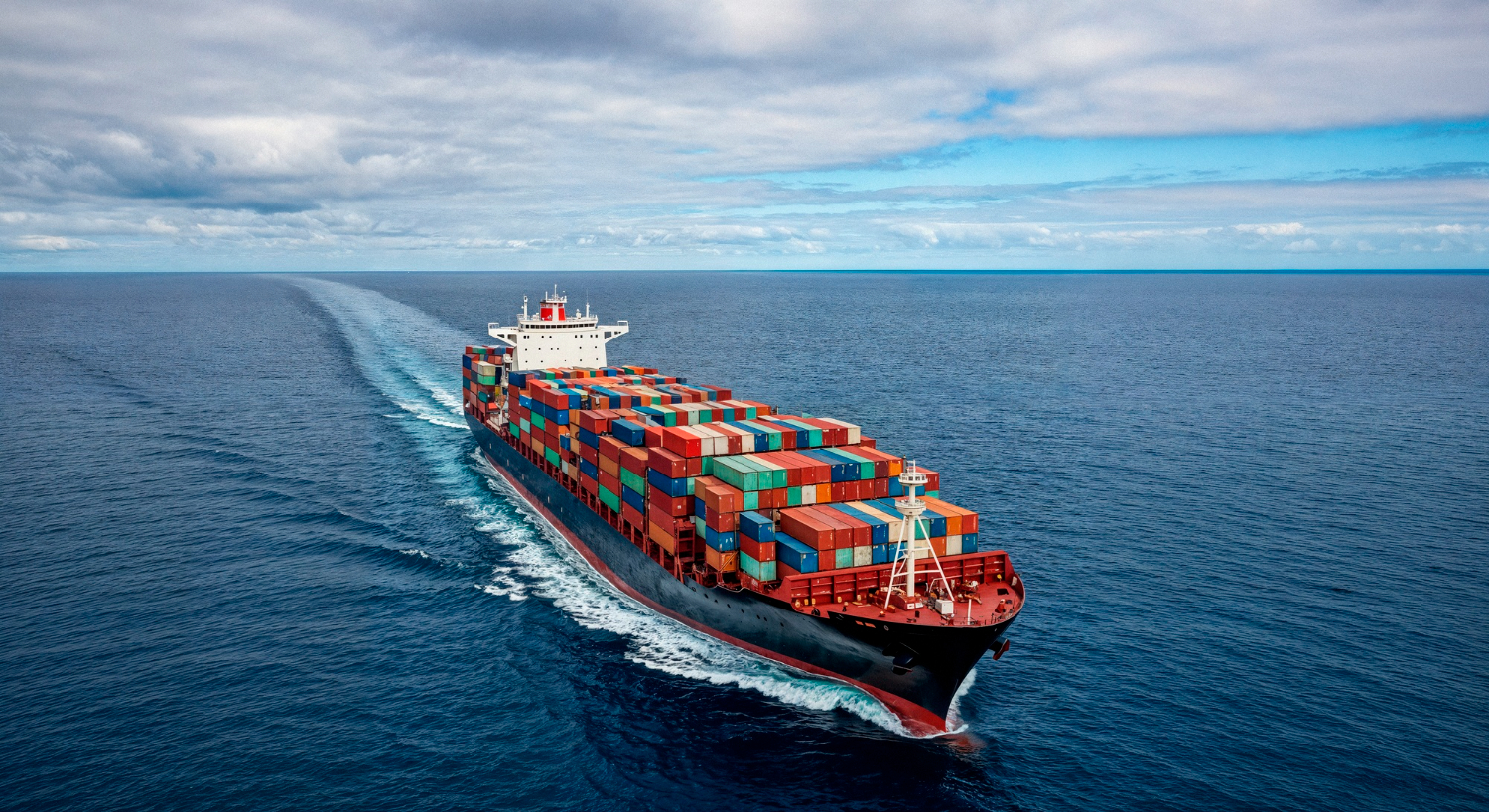
(Photo Credit: Anchor Freight)
Top 10 African countries with the strongest merchant marine fleet in 2026
A strong merchant marine fleet is a critical indicator of a nation's economic independence and strategic readiness. Beyond moving essential exports like oil and minerals, these commercial vessels can be called into military service during conflicts to transport troops and equipment. By building their own fleets, African nations reduce their reliance on foreign shipping firms, allowing them to retain more trade profits and maintain greater control over their global supply chains.
| S/N | Country | Merchant Marine Fleet Strength |
|---|---|---|
| 1 | 🇱🇷 Liberia |
|
| 2 | 🇳🇬 Nigeria |
|
| 3 | 🇸🇱 Sierra Leone |
|
| 4 | 🇪🇬 Egypt |
|
| 5 | 🇹🇿 Tanzania |
|
| 6 | 🇨🇲 Cameroon |
|
| 7 | 🇩🇿 Algeria |
|
| 8 | 🇿🇦 South Africa |
|
| 9 | 🇱🇾 Libya |
|
| 10 | 🇲🇦 Morocco |
|
Source: Global Firepower
Geopolitics & Power
(Photo Credit: Reddit)
🇧🇫 Burkina Faso tells Australian miner it wants 40% stake in gold mine after company projects up to 490,000 ounces in 2026
Burkina Faso has announced plans to raise its stake in the Kiaka gold mine from 15% to 40% via a government decree. This move led the Australian miner, West African Resources, to suspend trading on the ASX as it prepares to respond to the ownership change.
The Kiaka mine is a major asset expected to produce up to 280,000 ounces of gold annually. This production is critical to the company's 2026 goal of reaching nearly 490,000 ounces across its operations. The state previously increased its free stake from 10% to 15%.
Despite the policy shift, the company anticipates strong production growth and solid margins in 2026. The government’s decision follows 2024 legislation aimed at expanding state control over the mining sector to ensure the country gains more from its strategic assets.
Business Implication
This demand for a larger stake reflects a trend of resource nationalism that creates uncertainty for foreign investors. While the mine remains profitable, higher state ownership could impact future shareholder returns, such as dividends and planned share buy-backs.
Global Trends, African Impact
(Photo Credit: Forbes)
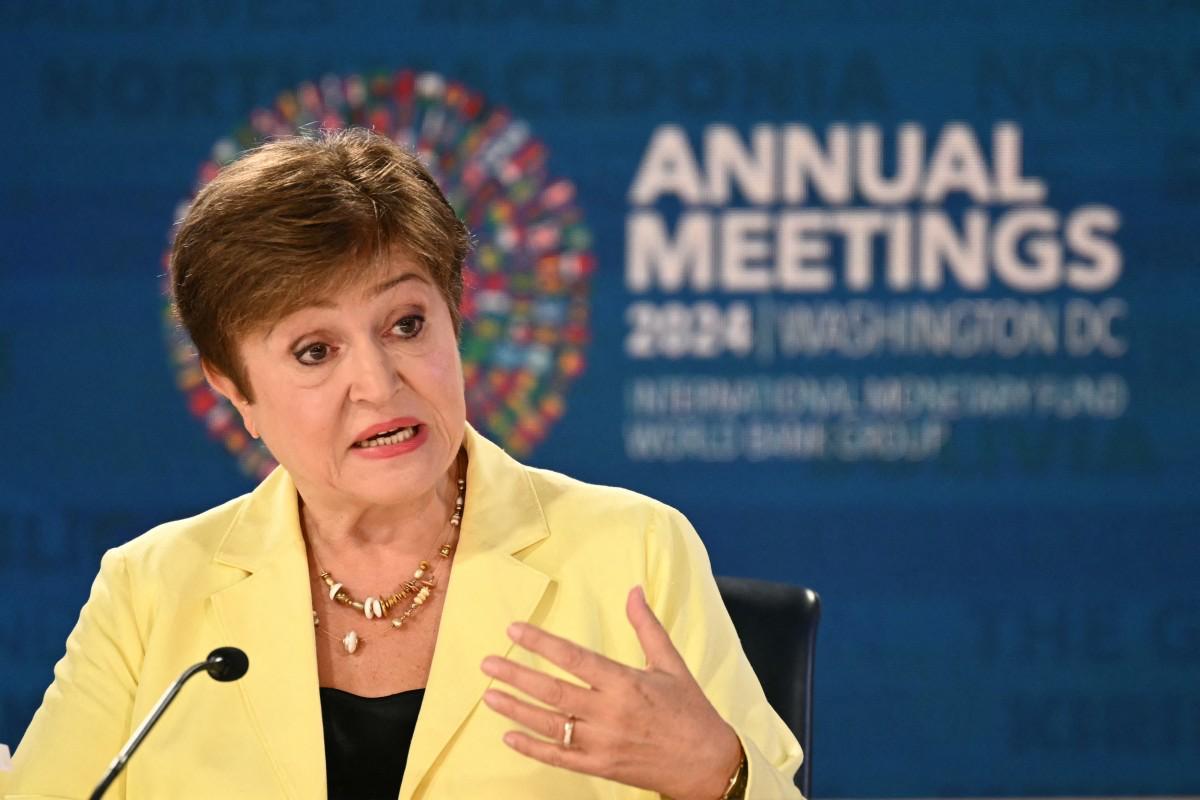
African finance chiefs race to secure financing as US–Iran war, aid cuts pressure growth
African finance ministers are urgently turning to global lenders as the US–Iran war threatens to reverse recent economic gains. With supply chains disrupted and energy costs climbing, the IMF warns that the continent’s growth could slow to 4.2% this year due to these shocks.
This conflict is driving up the price of fuel and fertilizer, which worsens food insecurity and social pressures across the region. Consequently, at least a dozen nations are expected to seek new loan programs to manage a crisis that may last even if the war finds a quick resolution.
To mitigate these risks, countries like Congo, Kenya, and Angola are already moving to secure emergency funding or budget support. In contrast, Nigeria is currently avoiding new IMF programs, choosing instead to rely on domestic reforms to stabilize its own fiscal accounts.
Executive Trivia

(AI Generated Illustration)
Which famous South African leader is affectionately known by his clan name, Madiba?
Did You Know?

(Photo Credit: Facebook/World Cityscapes)
Morocco has inaugurated the country's tallest building, Mohammed VI Tower at a cost of $432 million in Rabat. The 55-storey skyscraper is 250 metres high, and sits on 102,800 square meters. It is one of the tallest buildings in Africa.
Know someone who'd enjoy this briefing?