Business Brief
By Business Insider Africa
From the Editor
The spirit of Easter Monday is often about renewal, and for African finance ministers, that means looking inward to unlock a staggering $469 billion in "hidden" tax revenue. The African Development Bank argues that by simply digitizing collection and cutting red tape, the continent could nearly double the value of all global aid it currently receives.
This isn't just about spreadsheets; it’s a massive move toward sovereignty, mirrored by Morocco’s King Mohammed VI, who is putting $750 million behind his royal mining firm to supercharge gold production by 134%.
This same demand for a "seat at the head of the table" is rattling traditional Western partnerships. Ghana’s Energy Chamber recently walked out of a major London summit, refusing to participate until African professionals are given leadership roles in the event's planning. While Ghana exits, South Africa is digging in, becoming a linchpin for the U.S. manufacturing sector by providing 90% of its platinum.
While the corridors of power shift, the ground-level infrastructure is moving even faster. Morocco has quietly become Africa’s "speed king," with internet speed reaching 124 Mbps, leaving its neighbors far behind.
As families gather today to celebrate "Family Day," these shifts suggest an Africa that is increasingly comfortable setting its own terms and its own pace.
 | Victor Inusa, Newsletter Editor. |
✨ Today’s Must Read
Africa could raise $469 billion more in taxes every year, if its governments get out of their own way
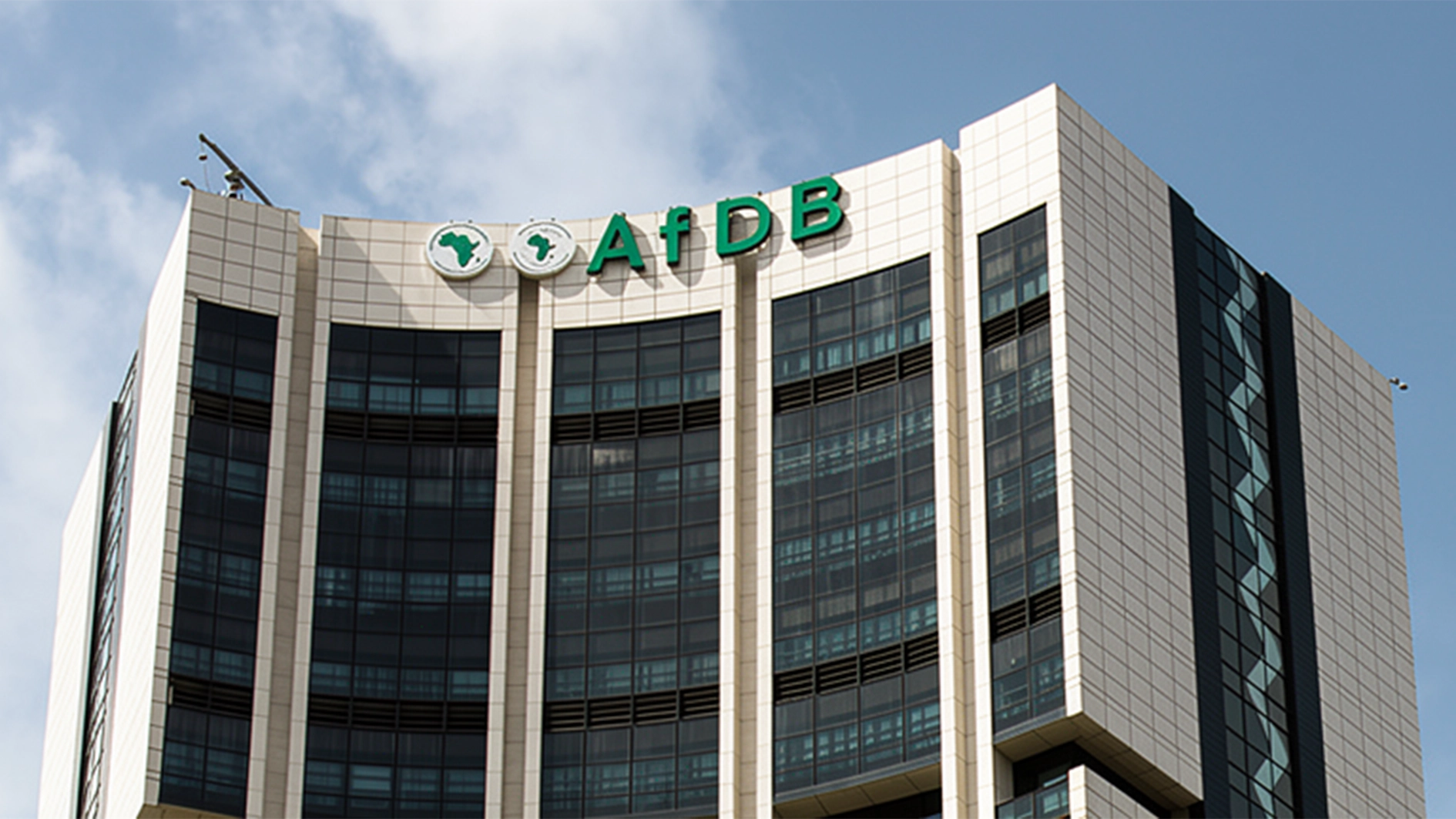
(Photo Credit: X/Opebee)
The African Development Bank reports that Africa could collect an extra $469 billion in tax revenue annually. Currently, many nations lose more to illegal financial flows and inefficient collection than they actually raise, leaving a massive gap in their national budgets.
The bank told finance ministers in Tangier that complex laws and a lack of digital tools are the main hurdles. By simplifying tax codes and embracing technology, African governments could fund their own development and reduce their heavy reliance on expensive foreign loans.
This potential revenue is nearly double what the continent currently receives in total aid. Experts believe that with the right reforms, these funds could be used to build critical infrastructure and social services, helping countries take full control of their economic futures.
Why This Matters
Closing this tax gap would allow African nations to self-fund their growth and break the cycle of debt. For citizens and businesses, it could lead to better public services and a more predictable economic environment as governments move away from emergency borrowing.
The Big 3

L-R President Cyril Ramaphosa and President Donald Trump (Photo X/brieflyza)
🇿🇦 South Africa emerges as major player in U.S. critical minerals supply chain
South Africa has become a vital partner in the U.S. quest to secure minerals like platinum, manganese, and chromium. These resources are essential for advanced manufacturing and clean energy, making South Africa a top supplier as the U.S. looks to diversify its global sources.
The U.S. currently relies on South Africa for nearly 90% of its platinum imports, which are used in hydrogen technology and emissions control. By strengthening this trade tie, both nations aim to build a stable supply chain that supports long-term energy and defense goals.
🇨🇩 DRC agrees to US deportation deal, shifts logistics and cost burden to Washington
The Democratic Republic of Congo has reached a new agreement with the United States regarding the deportation of Congolese nationals. Under this deal, the U.S. government will now take full responsibility for the logistics and costs of transporting individuals back to the DRC.
This shift moves the financial burden away from Kinshasa, as Washington agrees to provide the necessary resources for safe and orderly returns. The agreement is seen as a way to streamline the deportation process while ensuring that the DRC's domestic budget is not strained by these operations.
🇲🇦 Africa's wealthiest king leads $750 million investment to boost gold production by 134% across 5 African countries
King Mohammed VI of Morocco, through his royal investment office, is directing $750 million to increase gold production by 134% across Africa. The investment, managed by Managem Group, aims to produce 500,000 ounces of gold annually by 2030 to tap into record-high global prices.
The expansion includes major new projects in Guinea and Gabon, alongside existing operations in the DRC and Sudan. With a recent 384% surge in profit, the royal-owned firm is positioning itself as a dominant force in the continent’s mining sector during this historic gold boom.
AI & Innovation

(Photo Credit: Getty Images)
For crypto miners turned AI stars, the real test is about to come
Former cryptocurrency miners are now repurposing their powerful data centers to support the booming artificial intelligence industry. These firms, once focused on mining digital coins, are finding new life by providing the massive computing power needed for AI processing.
The shift has caused the stock prices of several former mining companies to surge as investors bet on their potential in the AI space. These companies already have the cooling systems and high-voltage power lines required to run the advanced chips used by AI developers.
However, the real challenge lies ahead as these firms must prove they can compete with tech giants like Amazon and Microsoft. Transitioning from simple crypto mining to complex AI workloads requires significant technical upgrades and long-term reliability for new clients.
Quote Of The Day
The great gift of Easter is hope.
Listicles
(Photo Credit: Canva)
Fastest internet in Africa 2026: Top 8 countries ranked by Mbps
Africa’s digital landscape is moving fast, with North African nations currently leading the way in connectivity. Morocco has taken the top spot thanks to aggressive 5G deployment and heavy investment in fiber optics, with speeds more than double its closest competitors.
| S/N | Country | Average Speed (Mbps) |
|---|---|---|
| 1 | 🇲🇦 Morocco |
|
| 2 | 🇿🇦 South Africa |
|
| 3 | 🇹🇳 Tunisia |
|
| 4 | 🇩🇿 Algeria |
|
| 5 | 🇳🇬 Nigeria |
|
| 6 | 🇰🇪 Kenya |
|
| 7 | 🇪🇬 Egypt |
|
| 8 | 🇱🇾 Libya |
|
Source: Ookla Global Speedtest Index
Geopolitics & Power

Ghana announces withdrawal from London energies summit, demands African representation. (Photo Credit: @S_OkudzetoAblak)
🇬🇭 Ghana announces withdrawal from London energies summit, demands African representation
Ghana’s Energy Chamber, led by Joshua B. Narh, has pulled out of the Africa Energies Summit in London. The move follows concerns over the exclusion of African professionals from leadership and decision-making roles within the event’s organizing team.
The Chamber argues that platforms discussing Africa’s resources must include African voices in their staffing and planning. They are calling on other stakeholders to reconsider their participation until the organizers take real steps to ensure fair representation.
This withdrawal reflects a broader push for African expertise to be recognized in global industry forums. For Ghana, the goal is to ensure that the continent is not just a topic of discussion but a lead participant in shaping its own energy future.
Business Implication
This signals that African energy players are demanding more than just attendance; they want a role in leadership. International firms must now prioritize local representation to maintain credibility and secure future partnerships with the continent's key stakeholders.
Global Trends, African Impact
L-R EU chief, Ursula von der Leyen, US President Donald Trump, and Aliko Dangote (Photo Credit: BI)
Europe leans on Africa as trust with the United States and Middle East declines
Europe is shifting its focus toward Africa as trust in traditional allies like the United States and the Middle East declines. This strategic pivot is driven by the need for reliable partners in energy and security amid growing global political instability.
The partnership is moving beyond traditional aid toward a model based on mutual interests. European nations are looking to Africa to secure supply chains, especially in green energy and digital infrastructure, to reduce their vulnerability to outside shocks.
By deepening ties with African markets, Europe aims to create a more stable economic corridor. This shift highlights Africa's growing importance as a key player in global geopolitics and a vital partner for Europe’s long-term energy and economic security.
Executive Trivia

(Photo Credit: Vocal)
In the Christian tradition, what does Easter Monday specifically commemorate?
Did You Know?

(Photo Credit: bunniesbythebay.com)
The tradition of the Easter bunny comes from Germany, where people believed a rabbit would lay colorful eggs for children to find.
Know someone who'd enjoy this briefing?