From the Editor
The U.S.–Iran conflict has shifted from a regional risk to a direct threat to Africa’s primary alternative to Western funding. As Gulf powers pivot sovereign wealth toward domestic defense, billions in promised African infrastructure and tech investments face a sudden liquidity crunch. It is a sobering wake-up call for nations tethered to Middle Eastern capital, proving that a shift in the Persian Gulf can stall a port in Ethiopia or a rail line in Rwanda.
While the funding landscape shifts externally, resource nationalism is redrawing the map of the Sahel and the South. Niger’s move to revoke gold mining concessions follows a similar crackdown on uranium, signaling a complete overhaul of how the state manages its mineral wealth. This trend is mirrored in South Africa, where Patrice Motsepe is stepping into the infrastructure gap left by Transnet to build a $500 million manganese terminal, suggesting the future of logistics belongs to private capital.
As global markets grapple with $100-a-barrel oil and rerouted flight paths, this edition highlights a continent forced into intense economic self-reliance. From Cape Verde’s record $161 million tourism surge to the debate over OpenAI’s military ties, the narrative is shifting from "waiting for investment" to "protecting what is ours."
In this Monday briefing, we look at the power plays, the data, and the strategic pivots defining the new week.
 | Victor Inusa, Editor, Business Insider Africa. |
✨ Today’s Must Read
Africa set to lose billions in UAE, Saudi and Qatari Investment as U.S. – Iran war shakes Middle East economies
Africa set to lose billions in UAE, Saudi and Qatari Investment as U.S.
The escalating conflict between the U.S. and Iran is threatening to choke off billions in promised investment from the UAE, Saudi Arabia, and Qatar. As these Middle Eastern giants pivot their budgets toward domestic defense and regional stability, major infrastructure and tech projects across Africa are now facing a sudden liquidity crunch.
This shift represents a massive disruption to Africa's primary alternative to Western and Chinese funding. For over a decade, Gulf sovereign wealth funds have been the backbone of "mega-projects" in Egypt, Ethiopia, and Rwanda. The potential withdrawal of this capital forces an immediate "hard reset" on development timelines across the continent.
For African leaders, the lesson is clear: reliance on a single geographic region for FDI is a strategic vulnerability. As the Middle East enters a period of prolonged instability, the race is on to find new partners or accelerate domestic resource mobilization. The era of "easy" Gulf money may be closing just as Africa's infrastructure needs are peaking.
Why This Matters
This funding vacuum could stall the "Africa Continental Free Trade Area" (AfCFTA) by halting the very ports and roads needed to link the continent. Without Gulf capital, African nations may be forced back toward high-interest Western debt or stalled projects. For the private sector, this means a fundamental shift in growth projections that relied on Middle Eastern liquidity.
The Big 3
Patrice Motsepe (PHOTO: TW @AfricaFactsZone)
🇿🇦 South African billionaire Patrice Motsepe joins race to build Africa’s next manganese export facility
Billionaire Patrice Motsepe’s African Rainbow Minerals is competing to develop a massive manganese export terminal at South Africa’s Ngqura port. This $500 million project is critical for unlocking the Northern Cape’s mineral wealth and bypassing current logistics bottlenecks.
The move marks a strategic "industrial reset," as private players step in to build the infrastructure that state-owned Transnet has struggled to maintain. For the global market, this ensures a more stable supply of a metal essential for the surging electric vehicle battery sector.
🇳🇪 Africa’s top uranium producer Niger revokes gold mining concessions for three firms
Niger has revoked gold mining concessions for three companies as the military government tightens its grip on natural resources. This move follows the recent withdrawal of a major French uranium permit, signaling a complete overhaul of foreign mining rights in the Sahel.
The cancellations highlight a growing trend of "resource nationalism," where African states demand a larger share of mineral wealth. For global investors, it underscores the rising political risk in regions where old contracts are being scrapped in favor of local control.
🇨🇻 Africa’s fastest-growing travel destination earns $161 million from foreign visitors in 90 days
Cape Verde earned $161 million from foreign visitors in just 90 days, marking a massive post-pandemic recovery. The archipelago is now Africa’s fastest-growing travel destination, driven by a surge in European sun-seekers and digital nomads.
This revenue spike proves that diversified, service-led economies can find a "hard reset" faster than those tied to volatile commodities. For the region, it sets a gold standard for how visa-free travel and stable policy can turn a small island chain into a global magnet.
AI & Innovation
OpenAI CEO Sam Altman announced a deal with the Pentagon in February. (Florian Gaertner/Photothek via Getty Images)
The fallout over OpenAI's Pentagon deal is growing
OpenAI’s expanding partnership with the U.S. Pentagon is sparking a fierce debate over the ethics of "Dual-Use" AI. While the firm initially banned military applications, it is now developing cybersecurity tools and logistics software for the Department of Defense.
This shift marks a significant pivot in the global perception of AI safety and neutrality. Critics argue that blurring the lines between commercial innovation and military intelligence could trigger a digital arms race, making silicon the new frontline of global power.
For the African tech ecosystem, this sets a complex precedent for data sovereignty and local adoption. If leading AI models become closely tied to Western military interests, African nations may face increased pressure to build independent, non-aligned "Sovereign AI" systems.
Quote Of The Day
The hardest thing to do is to change a culture. But if you don't reset when the world shifts, you become a relic of the past.
Listicles
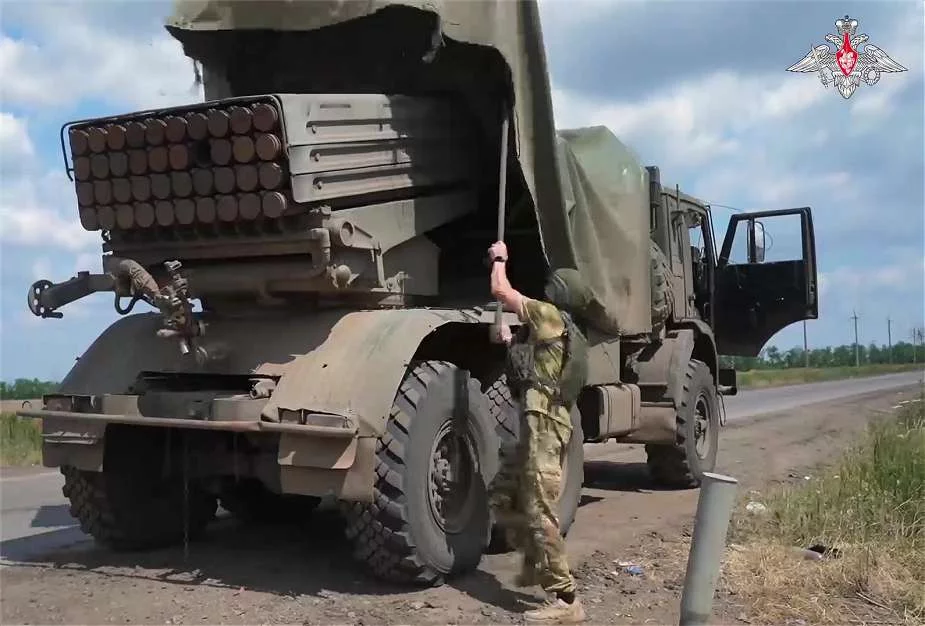
(Photo Credit: Russian MoD)
10 African countries with the fewest rocket projectors in 2026
This list highlights the nations that currently have zero or the lowest inventory of self-propelled multiple rocket launchers. While these countries may lack heavy rocket artillery, many focus their defense budgets on naval security, counter-insurgency, or internal stability. For investors and analysts, this ranking provides a clear picture of the continent's diverse military footprints and where procurement priorities may lie in the coming decade.
| Country | MLRS Strength | Global Rank | |
|---|---|---|---|
| 1 | 🇨🇲 Cameroon |
20
|
77th |
| 2 | 🇧🇼 Botswana |
20
|
76th |
| 3 | 🇹🇩 Chad |
16
|
81st |
| 4 | 🇸🇸 South Sudan |
15
|
84th |
| 5 | 🇺🇬 Uganda |
12
|
87th |
| 6 | 🇲🇿 Mozambique |
12
|
86th |
| 7 | 🇧🇫 Burkina Faso |
9
|
90th |
| 8 | 🇸🇳 Senegal |
6
|
98th |
| 9 | 🇨🇮 Ivory Coast |
6
|
97th |
| 10 | 🇬🇭 Ghana |
6
|
96th |
Source: Global Firepower
Geopolitics & Power

L-R Aliko Dangote, Bassirou Diomaye Faye (Photo Credit: Instagram / qtv_gambia)
🇸🇳 Dangote Cement sells 10% of Senegal subsidiary to government
Dangote Cement has sold a 10% stake in its Senegalese subsidiary to the government. This move serves as a political insurance policy, trading a slice of equity for long-term operational stability.
By letting the state into the boardroom, Dangote is neutralizing the risk of future nationalization or aggressive tax hikes. It reflects a "hard reset" in West Africa, where sovereign partnership is now the price of entry.
For investors, this deal is the new blueprint for Pan-African expansion. To survive in 2026, industrial giants must turn potential regulators into business partners by sharing the pie with the host state.
Business Implication
This "hybrid ownership" model shifts the risk profile for large-scale infrastructure; while it protects against hostile regulatory changes, it also complicates future exits and dividend repartiation. Investors must now value "political alignment" as highly as operational efficiency when assessing long-term capital projects in emerging West African markets.
Global Trends, African Impact
Ethiopian Cargo Boeing 777-F prepares for takeoff. (Photo by Joan Valls/Urbanandsport/NurPhoto via Getty Images)
Africa's most valuable airline loses $137 million over Middle East war
Ethiopian Airlines has reported a $137 million weekly loss due to escalating Middle East tensions. Forced to suspend flights and reroute around contested airspace, the carrier is seeing fuel and insurance costs skyrocket.
This "geopolitical contagion" is reshaping African aviation from a hub for global transit into a region of high-risk detours. The loss underscores a "hard reset" for the continent’s most valuable airline, making 2026 growth projections secondary to safety.
For businesses, the "War Surcharge" is becoming a permanent fixture of long-haul logistics. As carriers absorb multi-million dollar hits, ticket prices and air freight rates will continue to climb.
Executive Trivia

(Photo Credit: Unsplash / Aleksey Kuzmichev)
Did You Know?
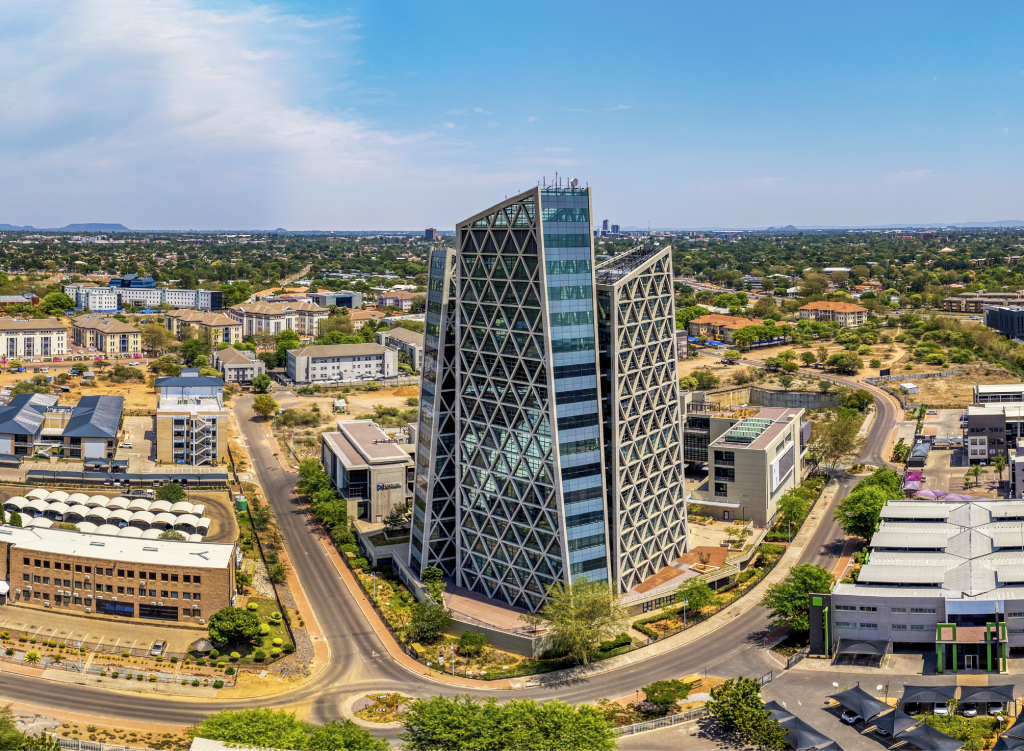
Gaborone, Botswana (Photo Credit: Chandler Good Government Index)
In Botswana, citizens receive free land, free education, and free healthcare. University students also receive a monthly allowance of $154
Know someone who'd enjoy this briefing?