Business Brief
By Business Insider Africa
From the Editor
In today's lineup, the old rules of how Africa trades its wealth are being torn up. Just yesterday, we saw Zambia reject a $2 billion U.S. deal because it came with too many strings attached to their minerals. Today, Mozambique is taking that same energy to parliament, proposing a law that gives the state a 15% stake in every mine and stops raw minerals from being shipped out of the country. It is a clear message: the continent is tired of being a "raw material warehouse" for the rest of the world. Now, if you want the resources, you have to build the factories here too.
This push for control is also shaking up the energy market. While Nigeria is already leading the way by turning its refining dreams into reality, the fight for South Africa’s Natref refinery is heating up. With global traders like Trafigura and local Black-owned firms all competing for a stake, it is clear that owning the pipes and the pumps is the new priority. Even in Egypt, a massive $500 million project is turning the country into a hub for sustainable jet fuel. Africa isn't just selling fuel anymore; it's looking to dominate the future of how the world moves.
The most interesting shift, however, is who is paying the bills. When U.S. government aid for Kenya’s health sector was cut, it wasn’t another country that saved the day; it was Warren Buffett’s private foundation. This $29 million lifeline shows that when traditional aid disappears, private investors and philanthropists are stepping in to keep the lights on. Between this new way of funding and the rising diplomatic tension between Nigeria and South Africa, one thing is certain: Africa is no longer waiting for a seat at the table. It is simply building its own.
 | Victor Inusa, Newsletter Editor. |
✨ Today’s Must Read
Billionaire Warren Buffett’s foundation commits $29 million to Kenya health sector for second year

(Photo Credit: TheTimes)
Warren Buffett’s foundation has committed $29.2 million to Kenya’s health sector for a second year. This funding through the Susan Thompson Buffett Foundation began as emergency support after the Trump administration cut major US global health contracts that affected Kenya.
The grant will provide 18.1% of Kenya’s State Department for Medical Services' project budget for the 2026/2027 fiscal year. It ranks as the third-largest external health financier, following the World Bank and the Global Fund, to help stabilize the nation's medical services.
The funds are directed toward reproductive health, contraception access, and medical services. This shift from short-term crisis response to structured engagement helps Kenya replace the Sh24.9 billion gap left by the freeze on foreign aid from the United States government.
Why This Matters
This commitment shows how private philanthropy is stepping in to stabilize African health systems when traditional government aid is withdrawn. By providing nearly a fifth of the medical project budget, the foundation is preventing the collapse of critical health services.
Advertisement

The Big 3
(Photo Credit: Getty Images)
🇲🇿 Mozambique signals move to join Africa’s mining revolution with 15% state stake and export ban
Mozambique is proposing new mining laws to take at least a 15% stake in all mining projects and ban the export of unprocessed minerals. The reforms aim to fix "gaps" in the old rules, ensuring more value and revenue from natural resources stay within the country's borders.
The plan includes overhauling licenses and directing 10% of mining revenues toward local development. This move follows a growing trend across Africa, with nations like Mali and Ghana also boosting state control to turn mineral wealth into a lasting engine for economic growth.
🇶🇦 Qatar’s Green Sky Capital backs a sustainable aviation fuel facility in Egypt
Qatar’s Green Sky Capital has secured funding for a $500 million sustainable aviation fuel (SAF) plant in Egypt’s Suez Canal Economic Zone. The facility will produce 200,000 tonnes of biofuels annually by 2027, helping the aviation industry reach net-zero carbon emissions by 2050.
The project marks the first Qatari industrial investment in the zone, with $200 million already provided by Qatari and Saudi investors for the initial phase. Managed by SAF Fly Limited, the hub will use Egypt’s strategic location to export clean energy to international markets.
🇿🇦 Global commodities trader Trafigura joins race for minority stake in South Africa’s Natref refinery
Global commodities trader Trafigura is one of three companies bidding for a 36.36% stake in South Africa’s Natref refinery. The stake in the inland facility became available after the previous owner, Prax Group, entered administration in 2025 following its acquisition from TotalEnergies.
Two Black-owned South African energy firms are also competing for the stake, supported by Black Economic Empowerment policies. While Trafigura is a major global player, Sasol holds the majority share and the right of first refusal, as fuel demand in South Africa continues to rise.
AI & Innovation
Kristin Ginn (Photo Credit: Microsoft)
I used free AI tools to build my solo business in 60 days. Here's every way I put them to work.
Kristin Ginn, a former corporate marketer, launched her AI consulting business in 60 days using free versions of Microsoft Copilot and ChatGPT. She treated the AI as a "cofounder," using it to pressure-test her ideas and brainstorm the logistics of leaving her job.
To ensure her idea was viable, she trained the AI to role-play as a "C-suite focus group." By prompting the tools to think like CEOs and CFOs, she received feedback on what target audiences look for, such as a CFO’s focus on ROI rather than just qualitative human impact.
The AI acted as a creative agency to help build her brand assets, including her name, logo, and website copy. It also helped develop her sales strategy and pricing; by following AI-suggested rates she previously feared were too high, she successfully landed her first clients.
Quote Of The Day
The only way to predict the future is to have the power to shape it.
Listicles

(Photo Credit: mfa.gov.sc)
Top 10 most powerful passports in Africa at the start of 2026
The Henley Passport Index reveals the African nations with the highest global mobility at the start of 2026. While many countries saw a slight decrease in the total number of accessible destinations compared to 2025, their global rankings have largely remained stable or improved.
| S/N | Country | Global Rank | Visa-Free Destinations |
|---|---|---|---|
| 1 | 🇸🇨 Seychelles | 24th |
|
| 2 | 🇲🇺 Mauritius | 27th |
|
| 3 | 🇿🇦 South Africa | 48th |
|
| 4 | 🇧🇼 Botswana | 59th |
|
| 5 | 🇳🇦 Namibia | 62nd |
|
| 6 | 🇱🇸 Lesotho | 63rd |
|
| 7 | 🇸🇿 eSwatini | 65th |
|
| 8 | 🇲🇦 Morocco | 65th |
|
| 9 | 🇲🇼 Malawi | 66th |
|
| 10 | 🇰🇪 Kenya | 68th |
|
Source: Henley Passport Index
Geopolitics & Power
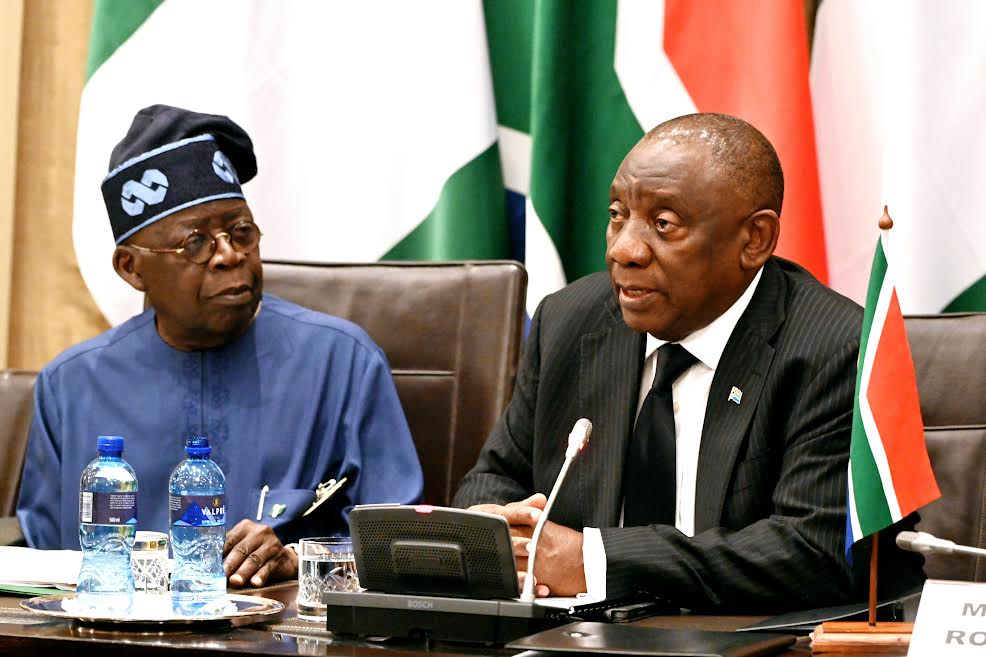
(Photo Credit: Guardian)
🇳🇬 Nigeria targets South Africa with economic and diplomatic threats over xenophobic attacks
Nigerian lawmakers are demanding strong diplomatic and economic action against South Africa following a fresh wave of xenophobic violence. The House of Representatives has directed the Ministry of Foreign Affairs to press South African authorities for better citizen protection.
The legislative push includes calls to suspend diplomatic ties, trade, and aviation agreements. There are also proposals to prepare evacuation plans and provide financial support for Nigerians willing to leave affected areas as citizens increasingly become targets of violent attacks.
Senator Adams Oshiomhole and other officials have suggested retaliatory actions, including revoking operating licenses for South African-owned firms. This growing regional pressure from Nigeria and Ghana reflects deep frustration over recurring violence and lack of accountability.
Business Implication
If the proposed restrictions on trade and aviation are enforced, South African giants like MTN and DStv could face the loss of their operating licenses in Nigeria. This diplomatic rift risks disrupting major regional supply chains and halting decades of economic cooperation.
Global Trends, African Impact
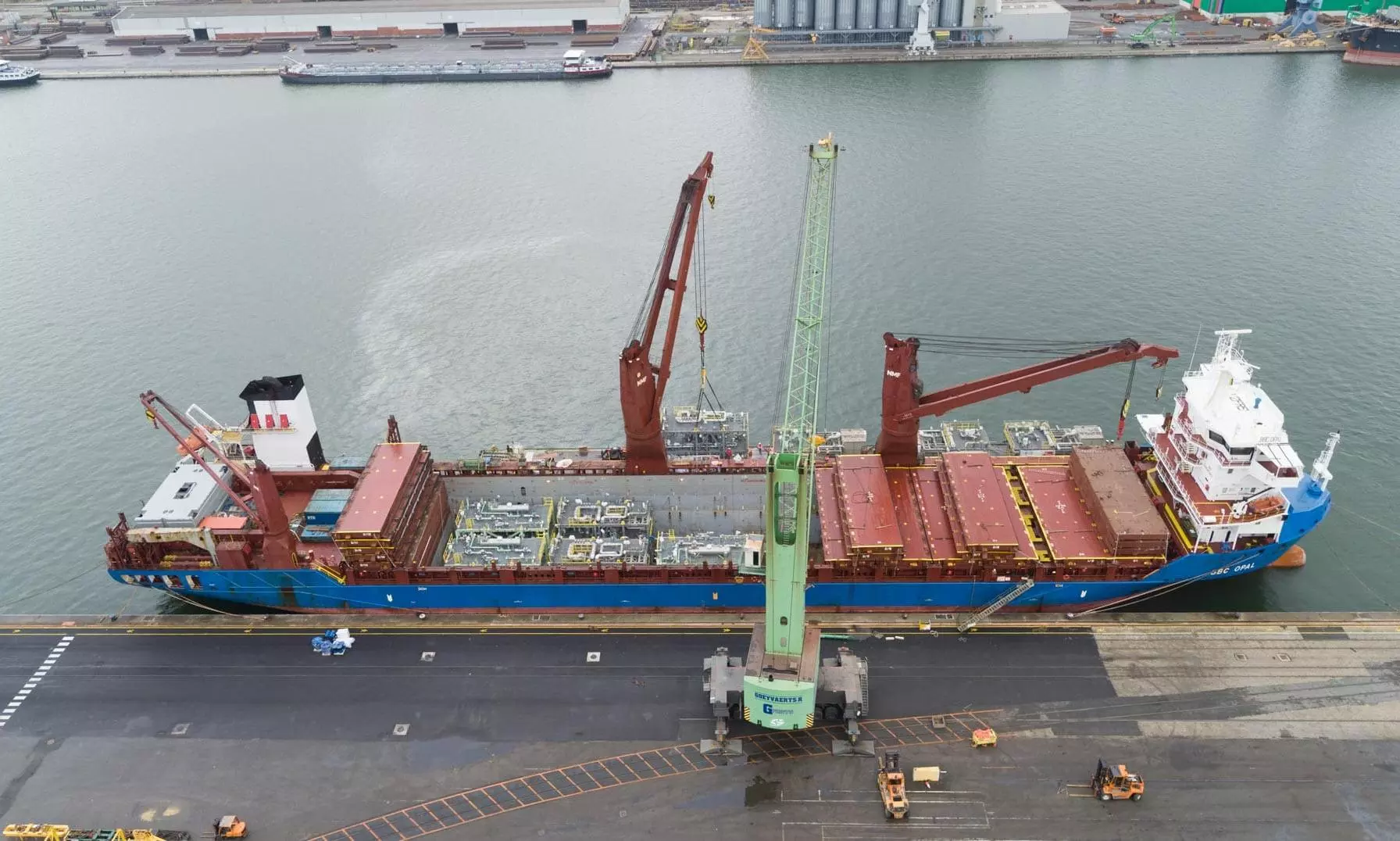
(Photo Credit: logupdateafrica)
🇿🇦 South Africa misses out on billions in shipping revenue as Strait of Hormuz disruption drives Cape of Good Hope traffic surge
South Africa is failing to monetize a surge in shipping traffic around the Cape of Good Hope. While vessels avoiding the Red Sea have tripled traffic along the coast, the country is missing out on billions in revenue because ships are not stopping at its inefficient ports.
The disruption is reshaping trade as fuel demand surges across the continent. However, South Africa is losing marine fuel business to competitors like Mauritius and Namibia. Port Louis and Walvis Bay are capturing the record sales that should have gone to South African hubs.
Despite its strategic location, South Africa's ports are ranked among the worst globally due to congestion and structural inefficiencies. It is currently serving as a transit corridor rather than a competitive logistics center, letting a massive economic opportunity slip away.
Executive Trivia
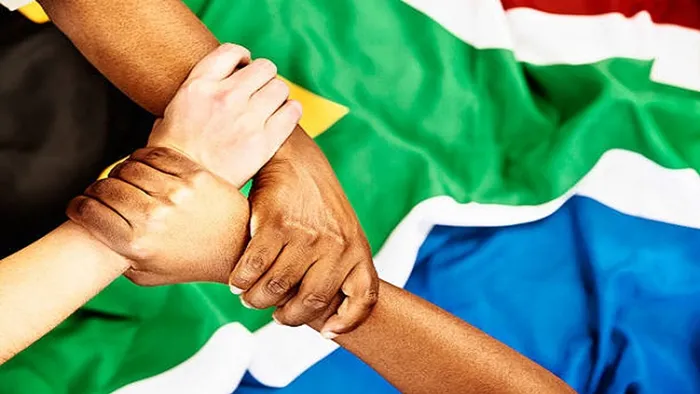
(Photo Credit: theafrican)
Did You Know?

(AI Generated Illustration)
No two people see the exact same rainbow. Because a rainbow is an optical illusion dependent on your specific position and the angle of your eyes, the rainbow you see moves with you, meaning your friend standing right next to you is viewing a completely unique arc.
Know someone who'd enjoy this briefing?