Business Brief
By Business Insider Africa
From the Editor
Lesotho is leveraging its "white gold" to generate $300 million annually by exporting water to South Africa. As demand grows, the landlocked nation is seeking higher revenues to fund its own infrastructure. This same focus on local interests is seen in Nigeria, where a $900 million poultry deal faces a setback as farmers push back against major Chinese investment.
Beyond trade, the continent is navigating a digital shift. Starlink is officially appealing its license rejection in Namibia, while Google’s Taslim Okunola is tailoring tech specifically for African users. This comes as AI startup CEOs reveal they are prioritizing interdisciplinary thinkers and problem-solvers over pure technical coding skills.
Meanwhile, global conflicts and pollution are creating new hurdles. Egypt has triggered emergency fuel measures following the war in Iran, and a new report identifies Chad and D.R. Congo as the most polluted nations. Amidst these shifts, Kenya is deepening trade ties with China to modernize its rail corridors and lower transport costs.
 | Victor Inusa, Newsletter Editor. |
✨ Today’s Must Read
Meet the landlocked African country earning $300 million from selling water to South Africa — and now it wants more
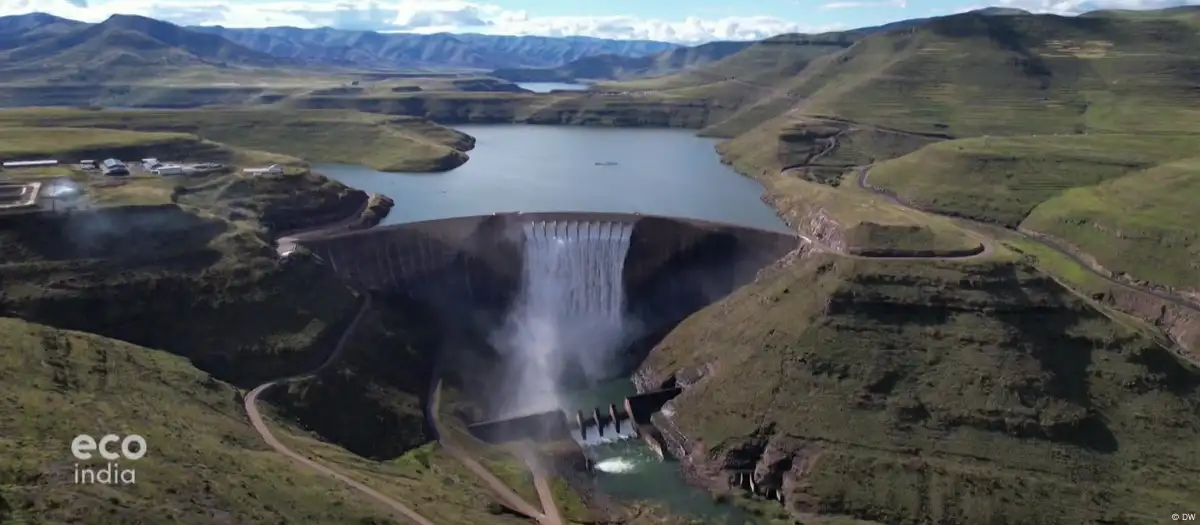
Lesotho's Katse Dam in the Maluti Mountains provides water to neighboring South Africa (Photo Credit: DW)
Lesotho is leveraging its "white gold" to generate $300 million annually by exporting water to South Africa. This vital partnership relies on a network of dams and tunnels that supply the industrial heartland of Gauteng, proving that natural resources remain a primary economic engine.
The Highlands Water Project has become a cornerstone of Lesotho’s economy, contributing significantly to its national GDP. As demand grows, the landlocked nation is seeking more from the arrangement, highlighting the increasing strategic value of water security in a warm climate.
However, the reliance on a single buyer presents both stability and risk for the mountain kingdom. Future negotiations will likely focus on balancing environmental sustainability with the need for higher revenues to fund critical domestic infrastructure and social programs.
Why This Matters
This story highlights the immense economic power of natural resource exports for landlocked nations. Lesotho seeking to increase its $300 million revenue demonstrates how essential commodities like water can become a primary driver of national GDP and regional industrial stability.
The Big 3
(Photo Credit: mgfarming)
🇨🇳 Chinese $900 million poultry deal faces setback in Nigeria as farmers push back
A massive $900 million investment from China into Nigeria’s poultry sector is facing significant resistance from local farmers. The deal, intended to modernize the industry, has sparked fears that large-scale foreign competition could eventually drive smaller indigenous producers out of business.
Local stakeholders argue that the influx of foreign capital must be balanced with protections for domestic growers. As discussions between the two nations continue, the setback highlights the delicate challenge of attracting major investments while ensuring the survival of local agricultural entrepreneurs.
🇳🇦 Elon Musk’s Starlink says “hope is not lost” as it vows to appeal Namibia licence rejection
Starlink is officially appealing the decision by Namibian regulators to reject its licence, maintaining that "hope is not lost." The provider aims to expand across Southern Africa despite facing strict regulatory hurdles regarding domestic ownership and licensing.
The company remains committed to bridging the digital divide by offering high-speed internet to remote areas. As legal talks proceed, the outcome will signal how Namibia balances global innovation with the protection of its own local telecommunications policies.
🇳🇬 Meet Taslim Okunola, the Nigerian behind Google’s push for localised technology in Africa
Taslim Okunola is leading Google’s mission to tailor its digital tools specifically for African users. By focusing on localised technology solutions, he ensures that global innovations address the unique infrastructure and cultural needs of the continent's diverse markets.
His work highlights the growing importance of African talent in shaping the future of global tech giants. Through strategic product development, Okunola is bridging the gap between Silicon Valley and African consumers, making digital services more accessible and relevant for everyone.
AI & Innovation

(Photo Credit: Unsplash/Salvador Rios)
Here is what 3 AI startup CEOs say they're looking for when deciding to hire a candidate
Three AI startup CEOs have revealed the specific qualities they prioritize when hiring new talent in this competitive field. While technical skills remain essential, these leaders are increasingly looking for problem-solving abilities and a deep curiosity about how artificial intelligence can be applied to real-world challenges.
The founders emphasize that candidates must show a willingness to adapt quickly as the industry evolves. Beyond coding expertise, they value interdisciplinary thinking and the ability to communicate complex ideas clearly, ensuring that technical innovations translate into viable business solutions for their clients.
For the African tech ecosystem, these insights highlight the importance of continuous learning and soft skills in the digital age. As local AI startups begin to scale, professionals who can blend technical mastery with an entrepreneurial mindset will likely be the most sought-after hires in the coming years.
Quote Of The Day
The true measure of leadership is the impact you have on the lives of others.
Listicles

(Photo Credit: Unsplash/C.G.)
Africa’s 10 most polluted nations: Insights from the World Air Quality report
A new environmental report highlights the African countries struggling most with air pollution this year. These rankings are based on PM2.5 concentrations, which measure tiny, hazardous particles in the air that can penetrate deep into the lungs and cause serious health issues for citizens.
| S/N | Country | PM2.5 (µg/m³) |
|---|---|---|
| 1 | 🇹🇩 Chad |
|
| 2 | 🇨🇩 D.R. Congo |
|
| 3 | 🇺🇬 Uganda |
|
| 4 | 🇪🇬 Egypt |
|
| 5 | 🇷🇼 Rwanda |
|
| 6 | 🇬🇲 Gambia |
|
| 7 | 🇱🇾 Libya |
|
| 8 | 🇳🇬 Nigeria |
|
| 9 | 🇪🇹 Ethiopia |
|
| 10 | 🇸🇳 Senegal |
|
Source: IQAir World Air Quality Report
Geopolitics & Power
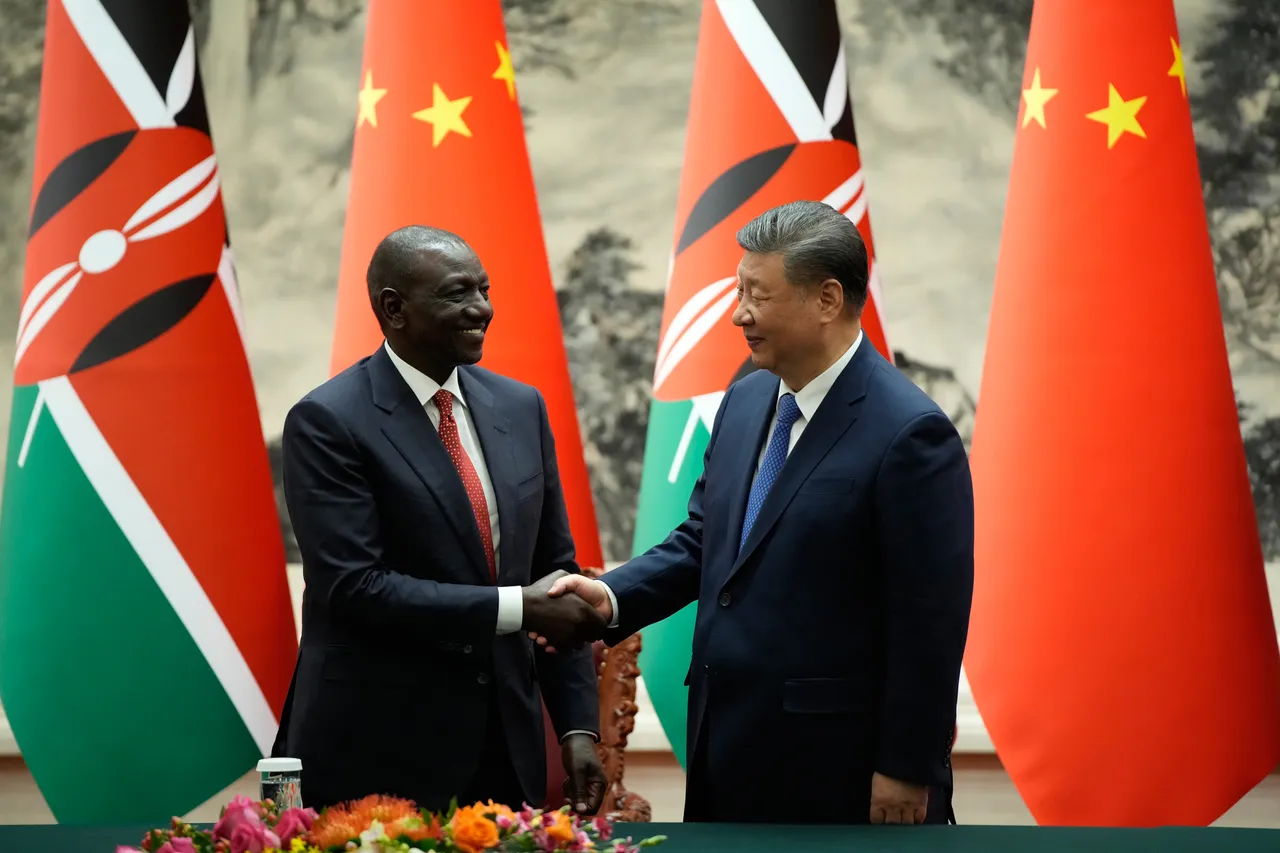
Chinese President Xi Jinping, right, and Kenyan President William Ruto shake hands during a signing ceremony at the Great Hall of the People in Beijing on April 24, 2025 / AP
🇰🇪 Kenya secures China trade and rail deals amid rising US-China rivalry in Africa
Kenya has secured new trade and rail deals with China, marking a win for its infrastructure goals. These agreements come as the US-China rivalry intensifies, forcing African nations to make strategic choices regarding their primary development partners.
By deepening ties with Beijing, Kenya is positioning itself as a regional trade hub. This move suggests that despite pressure from Washington, the government remains focused on securing the most practical financing for its long-term industrial projects.
The new rail commitments aim to modernize corridors and improve the movement of goods. These developments show how leaders are navigating global power struggles to prioritize their own economic interests and ensure local infrastructure needs are met.
Business Implication
This partnership could lower transport costs for businesses in East Africa. Investors should monitor how shifting diplomatic alignments influence trade rules and access to Chinese-backed infrastructure projects.
Global Trends, African Impact
North Africa’s largest economy triggers emergency measures, slashes fuel use amid Iran war fallout (Photo by Harun Ozalp/Anadolu via Getty Images)
🇪🇬 North Africa’s largest economy triggers emergency measures, slashes fuel use amid Iran war fallout
Egypt, the largest economy in North Africa, has been forced to implement emergency measures to combat the widening fallout from the conflict in Iran. The government is drastically slashing fuel consumption as global energy supplies tighten and prices become increasingly volatile for importing nations.
These urgent steps are necessary to stabilize the economy and protect national reserves from the sudden shock of rising costs. By reducing fuel usage, the authorities hope to manage the immediate energy crisis while searching for alternative sources to keep essential services and industrial production running.
This situation demonstrates how a distant war can quickly disrupt local markets and force governments into difficult fiscal choices. As the global trend of energy instability continues, North Africa must find ways to insulate its economy from external shocks that threaten its long-term growth and social stability.
Executive Trivia

(Photo Credit: Unsplash/Rocker Sta)
Which African airline currently operates the largest fleet on the continent?
Did You Know?

(Photo Credit: Instagram/dammiedammie)
Nigerian Influencer, Dammie shatters the African record for a single X (Twitter) payout, after receiving $22,745. This is an accumulation of his X payouts, after being paused for a year.
Know someone who'd enjoy this briefing?